Tata Steel aid €3 billion court clash over influence
Residents near Tata Steel demand influence over the Dutch government's €3 billion aid, highlighting a clash of environmental and economic interests.

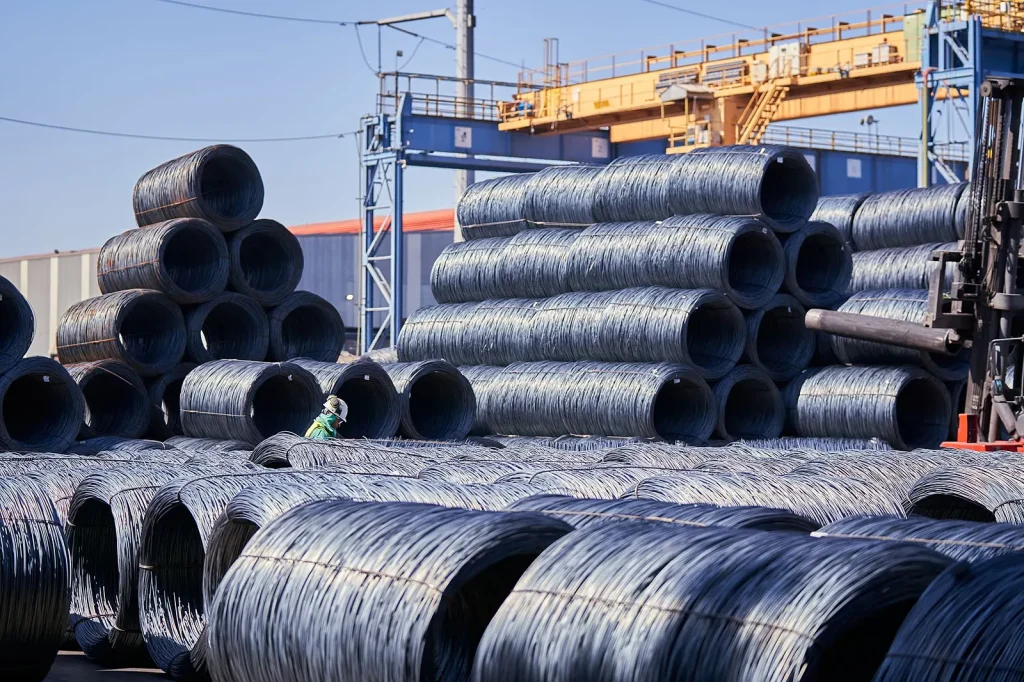
Local residents demand a say in the Dutch government’s €3 billion support plan for Tata Steel, highlighting environmental concerns.
Residents living near Tata Steel in the Netherlands are challenging the government’s financial support for the company, demanding more influence over how the funds are used. The €3 billion aid package has sparked controversy, as the local community seeks a greater role in decision-making processes affecting their environment and health.
Tata Steel Financial Influence Under Scrutiny
The legal action, initiated by residents in the IJmuiden region, shows the tension between industrial economic interests and local environmental advocacy. They argue that the financial support provided by the Dutch government should not overlook the environmental and health consequences of Tata Steel’s operations. The local residents want assurances that the funds will also address these pressing concerns.
“We need a say in how this money is spent,” said Marieke Jansen, a community leader. “The health of our families and the future of our environment depend on it.” The case is now in court, with residents arguing that their involvement is crucial to ensure that public funds are used responsibly.
Environmental Concerns and Economic Interests
Tata Steel, a major industrial entity, is central to the Dutch economy. However, its operations have long been criticized for environmental pollution. The company has been under pressure to reduce emissions and improve sustainability. The Dutch government’s support package aims to help Tata Steel transition to more sustainable practices. Yet, residents fear that without their input, environmental issues might not be adequately addressed.
The government has defended its decision, stating that the aid package is crucial for maintaining jobs and supporting the local economy. However, the residents’ legal challenge highlights a growing demand for transparency and local participation in such large-scale financial decisions. The court’s decision could set a precedent for how similar cases are handled in the future.
This conflict reflects broader global challenges where communities near industrial sites seek to balance economic benefits with environmental protection. The outcome of this case may have implications beyond the Netherlands, influencing how governments and corporations collaborate on environmental issues.
Tata Steel has acknowledged the community’s concerns and stated its commitment to working with local stakeholders. The company has expressed its willingness to engage in dialogue and explore sustainable solutions that align with both economic and environmental goals.
As the case progresses, all eyes are on the court’s decision. It could redefine the relationship between industrial giants and the communities they affect. The outcome may also influence how the Dutch government approaches future financial support for large industries.
The case has already attracted significant attention from environmental groups and policymakers, who see it as a key moment in the ongoing debate over industrial responsibility and community rights. The residents’ push for involvement highlights a critical aspect of modern governance: the need for inclusive decision-making processes that respect both economic and environmental interests.
The court’s ruling is expected later this year, and it will be closely watched by stakeholders across the country. The decision could pave the way for more community-driven approaches to managing industrial impacts, offering a model for other regions facing similar challenges.
For now, the residents of IJmuiden continue their fight, determined to ensure that their voices are heard in the corridors of power. Their case emphasizes the importance of balancing economic growth with the health and well-being of local communities.
In a world where environmental sustainability is increasingly prioritized, the outcome of this case may well shape the future of industrial policy in the Netherlands and beyond.