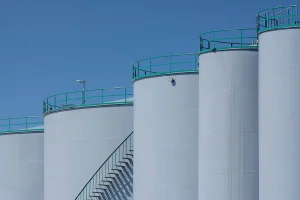
Tata Steel IJmuiden’s Future Tied to €2 Billion Negotiations
Tata Steel's future in IJmuiden is uncertain as €2 billion negotiations face legal hurdles, affecting jobs and emissions.

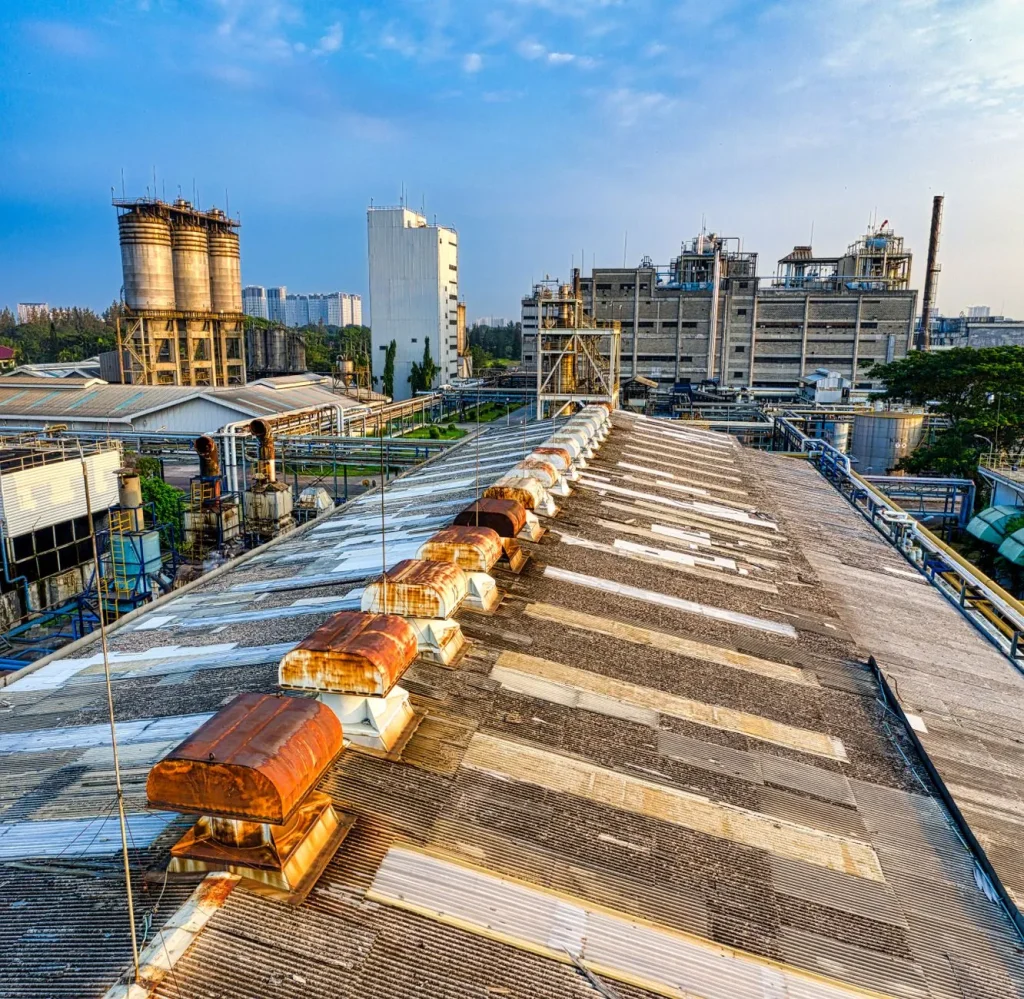
Tata Steel’s future in IJmuiden is uncertain as €2 billion negotiations face legal hurdles.
The future of Tata Steel’s plant in IJmuiden, North Holland, hangs in the balance as crucial negotiations with the Dutch government continue. The discussions involve a substantial €2 billion support package aimed at transforming the plant into a more environmentally sustainable operation. However, the talks are complicated by ongoing legal investigations.
Negotiations and Environmental Goals
Tata Steel, a major employer in the region, plans to cut its CO2 emissions by 40% as part of its sustainability efforts. This is particularly significant as the IJmuiden plant currently holds the title of the largest greenhouse gas emitter in the Netherlands. The Dutch government is keen to support this transition, but the details of the financial package are yet to be finalized.
The negotiations are further complicated by legal challenges that have emerged, putting additional pressure on both parties to reach an agreement. These challenges involve licensing issues that need to be resolved before any financial support can be confirmed.
Impact on Jobs and the Environment
The outcome of these negotiations is critical for thousands of employees at the IJmuiden plant. A failure to secure the support package could lead to significant job losses, affecting not just the workers but also the local economy. Conversely, a successful deal would not only safeguard these jobs but also help the Netherlands achieve its environmental targets.
Reducing emissions at the IJmuiden plant is seen as a crucial step in the Netherlands’ broader climate strategy. The government has set ambitious goals for reducing greenhouse gases, and the transformation of Tata Steel is a key component of this plan.
What this means for people living in the Netherlands
For those living near the IJmuiden plant and across the Netherlands, the outcome of these negotiations will have tangible effects. If the support package is secured, residents could see improved air quality due to reduced emissions. Additionally, job security for thousands of workers will have a positive impact on the local economy.
Residents can stay informed about the progress of these negotiations through official channels such as rijksoverheid.nl. the Tata Steel Europe website provides updates on the company’s environmental initiatives and employment news.
Background
Tata Steel has been a significant player in the Dutch industrial landscape for decades. The IJmuiden plant is a cornerstone of the local economy, and its operations have a wide-reaching impact on the region. However, its environmental footprint has been a point of contention, prompting calls for change.
In recent years, the Dutch government has intensified efforts to reduce CO2 emissions, aligning with international commitments to combat climate change. Tata Steel’s proposed reduction is part of this broader initiative, and successful negotiations would mark a significant step forward.
What happens next
As the deadline approaches, both parties are under pressure to resolve outstanding issues. The legal investigations need swift resolutions to prevent delays. Meanwhile, the Dutch government and Tata Steel must finalize the terms of the support package.
If an agreement is reached, it will set a precedent for other industrial players in the Netherlands, highlighting the importance of balancing economic and environmental priorities. The outcome will be closely watched by stakeholders and could influence future government-industry collaborations.