Ter Apel Asylum Violence Halts Aid After Three Incidents
Violence at Ter Apel asylum center prompts Red Cross and others to halt aid, impacting asylum seekers' welfare.

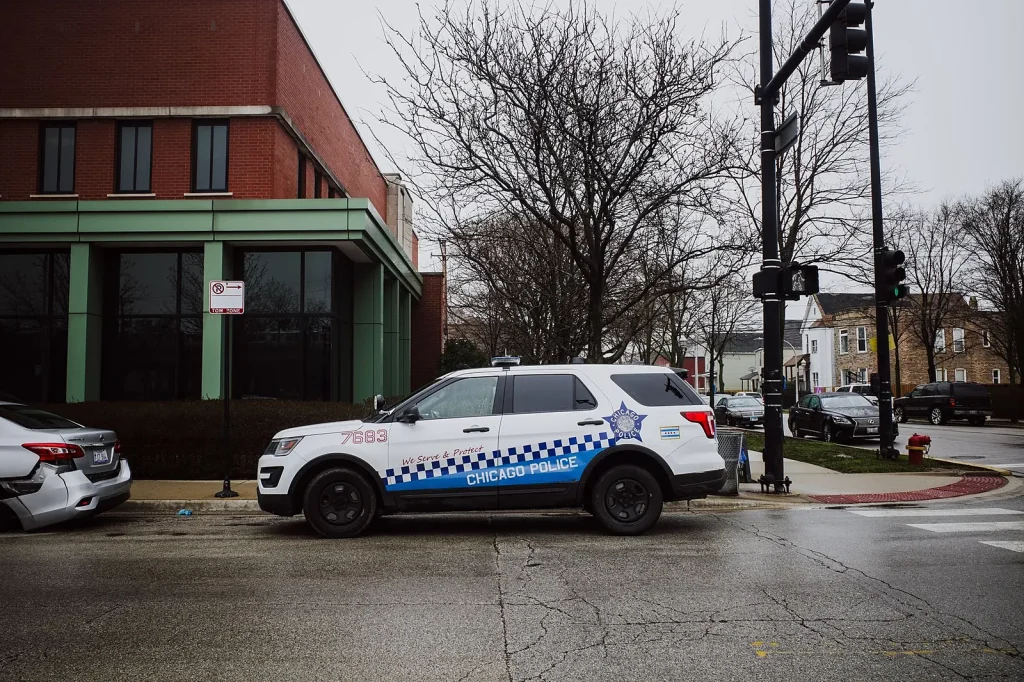
Safety concerns at Ter Apel center as aid is halted following multiple violent incidents.
Violence at the Ter Apel asylum center has resulted in significant disruptions, leading to the arrest of a 29-year-old man. The man, from Budel, was apprehended after a physical altercation where he reportedly kicked an older asylum seeker, escalating into a larger brawl. This incident is just one of several that have raised serious safety concerns.
Police Intervention and Arrests
Police were called to the scene multiple times to manage the unrest. Their involvement shows the tense atmosphere at the center, where disturbances have become more frequent. The local police have been working to maintain order, but the repeated need for intervention highlights ongoing issues.
In a statement, Burgemeester Velema of Westerwolde, the region encompassing Ter Apel, confirmed that additional resources are being allocated to address the situation. “We have arranged for an extra 150 places for temporary accommodation,” Velema said, aiming to alleviate some of the pressure on the existing facilities.
Impact on Aid Services
The violence has had a direct impact on the services provided to asylum seekers. Both the Red Cross and Vluchtelingenwerk Nederland have stopped their aid efforts at Ter Apel. The decision to halt aid was made due to safety concerns, following not only the recent altercation but also two stabbing incidents last week.
This withdrawal has left many asylum seekers without essential support, further escalating tensions. The absence of these services is deeply felt, as they are vital for the well-being and stability of those residing in the center.
According to a spokesperson from the Red Cross, “Our primary concern is the safety of our staff and the people we serve. Until we can ensure a safe environment, we cannot continue our operations.” This sentiment reflects the challenges faced by aid organizations in volatile environments.
Background and Previous Incidents
The Ter Apel asylum center has been at the forefront of the Netherlands’ ongoing struggle to manage asylum seeker inflows. Overcrowding and resource limitations have been persistent issues, often leading to heightened tensions among residents.
Previously, the center has dealt with various incidents of violence and unrest, prompting calls for better management and increased support. The recent events have only added urgency to these demands, with stakeholders seeking sustainable solutions to prevent further escalation.
What Happens Next?
The halt in aid services is a temporary measure, but it shows the need for long-term strategies to ensure safety and stability. Authorities are working on immediate solutions, such as increasing accommodation capacity, but the broader challenges remain.
Improving conditions at Ter Apel requires a broad approach, addressing both immediate safety concerns and the underlying issues of overcrowding and resource allocation. The Dutch government, along with aid organizations, must collaborate to create a more sustainable environment for asylum seekers.
As the situation develops, the focus will be on restoring aid services and enhancing security measures. The goal is to prevent future incidents and provide a stable environment for all residents, ensuring that the Ter Apel center can function effectively as a place of refuge and support.
For more information on Dutch policies and asylum seeker support, visit the Dutch government website or check updates from the Dutch police.