Thunderstorms trigger 300,000 lightning strikes, disrupt Netherlands
Severe thunderstorms in the Netherlands resulted in over 300,000 lightning strikes, causing disruptions and event cancellations.

Severe weather in the Netherlands leads to event cancellations and infrastructure challenges.
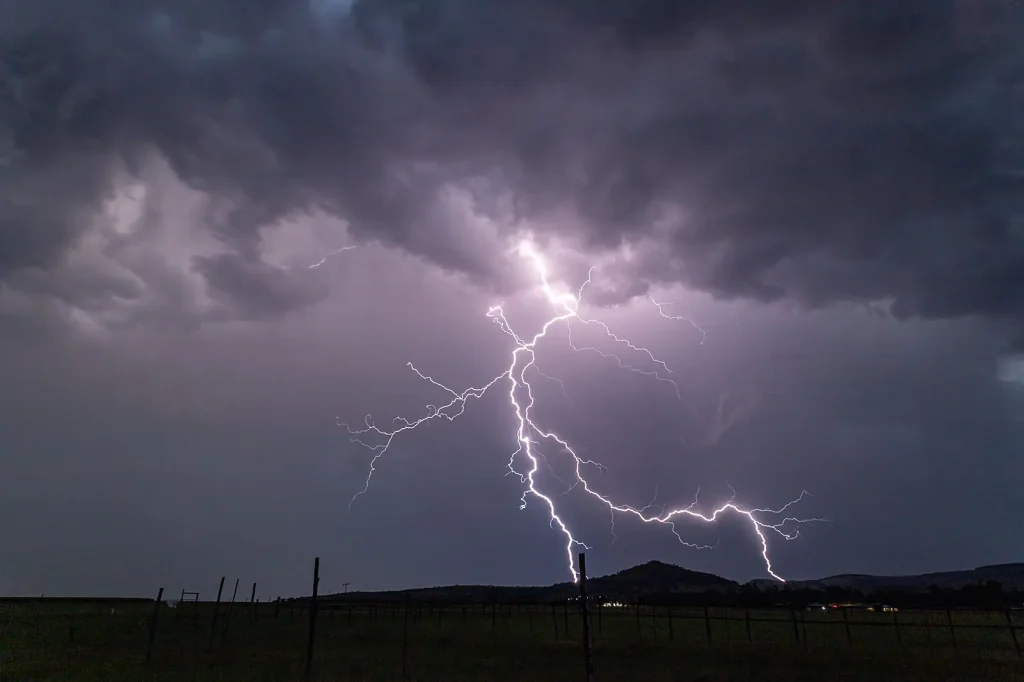
Severe thunderstorms have swept across the Netherlands, causing widespread disruptions. The Royal Netherlands Meteorological Institute (KNMI) recorded over 300,000 lightning strikes within a 24-hour period. This extraordinary level of electrical activity is rare in the region and has led to significant challenges for both safety and infrastructure.
Events throughout the country faced cancellations due to the heavy weather. In Hilversum, a city in North Holland, hailstones reached sizes of up to 5 centimeters. This unusual weather phenomenon has not been recorded at such intensity in recent years. According to KNMI, the combination of high humidity and a sudden wind shift contributed to the severity of these conditions.
Impact on Public Events and Safety
The Concert at Sea in Zeeland was notably affected, with visitors having to seek shelter as performances were interrupted. This popular event, known for its seaside setting, became a location of concern as the thunderstorms rolled in. Organizers were forced to pause activities to ensure the safety of attendees.
Elsewhere, many outdoor activities and gatherings were either postponed or canceled. The impact of the storms was felt across various sectors, highlighting the need for improved preparedness against such severe weather events. Emergency services were on high alert as the storms continued to move across the country.
Challenges for Infrastructure
The sheer number of lightning strikes posed risks to the infrastructure. Power outages were reported in several areas, putting additional strain on emergency responders. The storms also caused delays in transportation, affecting both road and rail networks.
Rijkswaterstaat, the agency responsible for Dutch roads and waterways, reported minor flooding in certain regions. They are currently assessing the damage and working on preventive measures to mitigate future risks. The agency emphasized the importance of infrastructure resilience in the face of increasingly volatile weather patterns.
In Hilversum, the large hailstones led to damage in residential areas, with reports of broken windows and dented vehicles. Local authorities are urging residents to stay indoors during such severe weather conditions to avoid injury from flying debris.
As weather patterns continue to change, the Netherlands faces growing challenges in managing the impacts of severe storms. The frequency and intensity of such events shows the need for strong systems to protect both people and infrastructure.
For more information on weather conditions and safety tips, visit the KNMI website or consult local authorities.
What Happens Next?
Looking ahead, meteorologists are closely monitoring weather patterns to predict future occurrences of such extreme conditions. The KNMI advises the public to stay informed through official channels and heed warnings as they are issued.
the government is being urged to enhance emergency response strategies and infrastructure resilience. Discussions are ongoing about implementing new technologies to better predict and manage storm impacts.
As the Netherlands continues to face challenges from severe weather, cooperation between public agencies, meteorologists, and the community remains crucial. Continued vigilance and preparedness will be key in mitigating the effects of future storms.
For further updates on weather-related disruptions, residents are encouraged to follow official communication channels and heed advice from emergency services. The situation serves as a reminder of the unpredictable nature of weather and the importance of readiness.