Twentekanaal Closures Risk Millions for East Netherlands Businesses
Frequent Twentekanaal closures, exacerbated by failed renovations, pose economic risks for East Netherlands businesses.

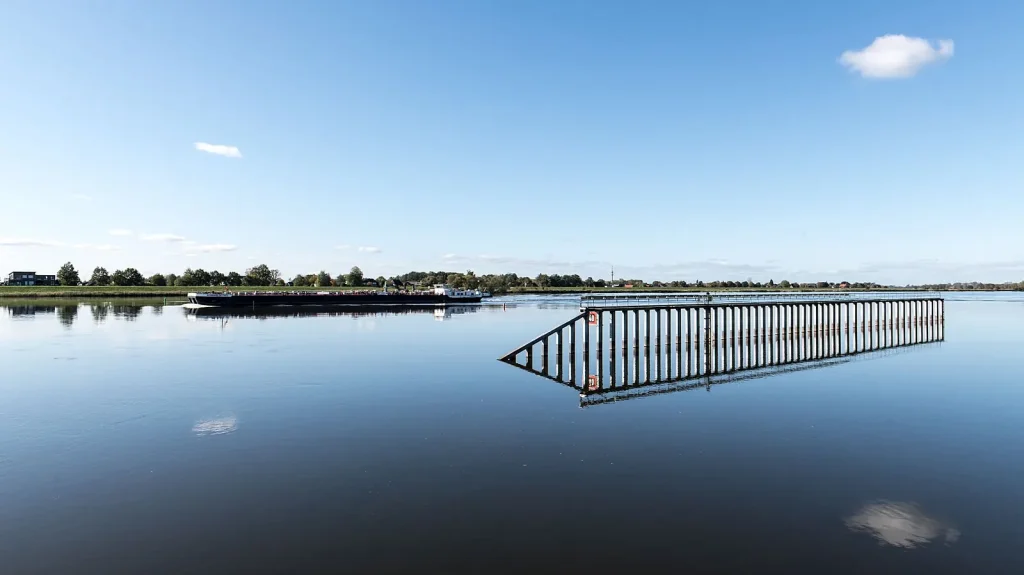
Frequent closures of the Twentekanaal due to low water levels pose economic challenges for businesses.
The Twentekanaal, an essential waterway in the Netherlands, experienced a complete shutdown this summer due to extremely low water levels. This closure has significant implications for businesses in the East Netherlands that rely on the canal for shipping. Rijkswaterstaat, the agency overseeing Dutch roads and waterways, has warned that such closures could become more frequent in the future.
Economic Impact on Businesses
The recent closure of the Twentekanaal forced companies to shift from water to road transport, resulting in significant additional costs. Many businesses in the region depend heavily on this canal for transporting goods efficiently and cost-effectively. Anne-Ruth Scheijgrond, spokesperson for Twentse havenbedrijf, a regional port authority, highlighted the severe economic implications, noting the heavy reliance on the canal.
Failed Renovations in Zutphen
Efforts to address the issue through renovations at a major pump station in Zutphen have been largely unsuccessful. This failure has only intensified concerns about the canal’s reliability. The renovation was intended to improve water management and prevent closures, but the setbacks have left businesses and officials seeking alternative solutions.
Rijkswaterstaat’s Forecast
According to Rijkswaterstaat, the frequency of closures could increase significantly in the coming decades. The agency warns that unless proactive measures are taken, closures like the one experienced this summer might happen more frequently. This prediction is based on climate models predicting drier summers and increased evaporation rates.
What this means for people living in the Netherlands
For residents and businesses in the East Netherlands, the frequent closure of the Twentekanaal presents a major logistical challenge. Companies may need to explore more stable transportation methods or invest in infrastructure that can withstand changing environmental conditions. Residents dependent on the canal for employment may face economic uncertainty. Further information on water management plans can be found on the Rijkswaterstaat website.
Background
The Twentekanaal is a vital waterway connecting various industrial regions in the Netherlands. It facilitates the movement of goods between the region and major ports. Historically, it has been a reliable route, but recent climate changes have made water levels unpredictable.
What happens next?
Authorities are exploring multiple strategies to mitigate the impact of future closures. These include technological upgrades to water management systems and potential collaborations with environmental agencies to address climate change impacts. Businesses are encouraged to stay informed about developments and consider diversifying their logistics strategies.
For more details on the economic implications and future plans, visit the rijksoverheid website.