Unidentified Remains Found in Dronten Ignite New Probe
The discovery of unidentified remains in Dronten's Roggebotsebos has sparked a new investigation, complicating ongoing missing persons cases.

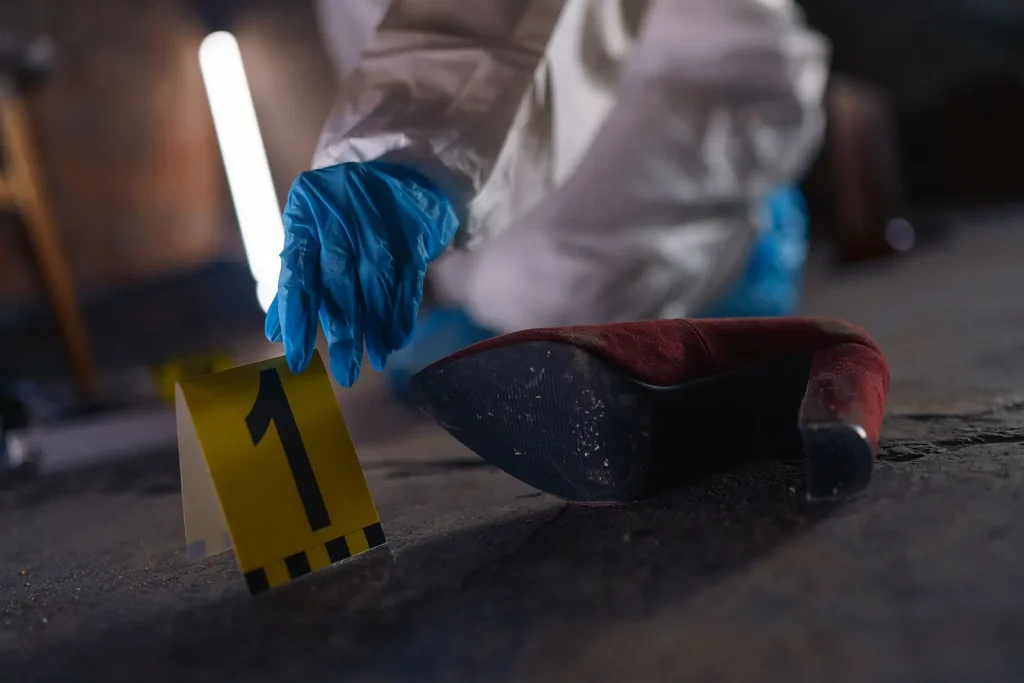
Bone remains found in Dronten prompt fresh investigation, complicating missing persons cases.
The recent discovery of unidentified remains in Dronten’s Roggebotsebos has added a new layer of complexity to ongoing missing persons investigations in the Netherlands. During a search for Marc Jaskulski, who vanished in 2024, police uncovered bone remains that do not belong to him. This unexpected find has prompted authorities to launch a new investigation to identify the remains.
Discovery in Roggebotsebos
In their search for Jaskulski, police focused on the Roggebotsebos, a dense forest in Flevoland. The discovery of the bones, however, has shifted the focus. The remains, identified as belonging to another man, have raised questions about who this individual might be and how he came to be in the forest.
Local law enforcement is now tasked with unraveling this mystery. A spokesperson for the Dronten police stated, “Our priority is to identify the individual and determine the circumstances surrounding his death.” The police are using forensic techniques to gather more information, hoping to find clues that could lead to the man’s identity.
Forensic Challenges
This case highlights the challenges faced by forensic teams in solving missing persons cases. Identifying remains requires meticulous work, including DNA analysis and collaboration with various agencies. The complexity increases when remains are found in locations not previously associated with the missing person in question.
The ongoing investigation into Jaskulski’s disappearance has already been a significant undertaking for the police. The discovery of another set of remains complicates matters further, adding pressure on forensic experts to deliver answers.
Dronten police have called for assistance from national agencies, including the Netherlands Forensic Institute (NFI), known for its expertise in forensic science. The NFI will play a crucial role in analyzing the remains and providing insights that could aid in identifying the individual.
Impact on Missing Persons Cases
This discovery has broader implications for missing persons cases in the Netherlands. It shows the need for thorough and continuous investigations, even in cases that have gone cold. The police aim to use this opportunity to examine potential links between the unidentified remains and other unsolved cases.
Families of missing persons often face a long and painful wait for closure. The discovery of unidentified remains can offer hope but also brings uncertainty. Authorities are committed to providing answers, but the process can be lengthy and complex.
What Happens Next?
As the investigation progresses, police are urging anyone with information to come forward. Public assistance can be invaluable in these cases, providing new leads or confirming suspicions. Meanwhile, the search for Jaskulski continues, with police maintaining their commitment to finding him.
This case serves as a reminder of the challenges faced in solving missing persons cases and the importance of forensic science in providing answers. As the investigation unfolds, the hope is that both families will find the closure they seek.
For more information on missing persons cases and forensic investigations in the Netherlands, visit the official police website or the Netherlands Forensic Institute.