

Verstappen Rejects Cooling Vest Over Discomfort at Austrian GP
Max Verstappen has chosen not to wear a new cooling vest during the Austrian Grand Prix, citing discomfort from cables.
Published 27 June 2026 · 12:05 CET
2 min read
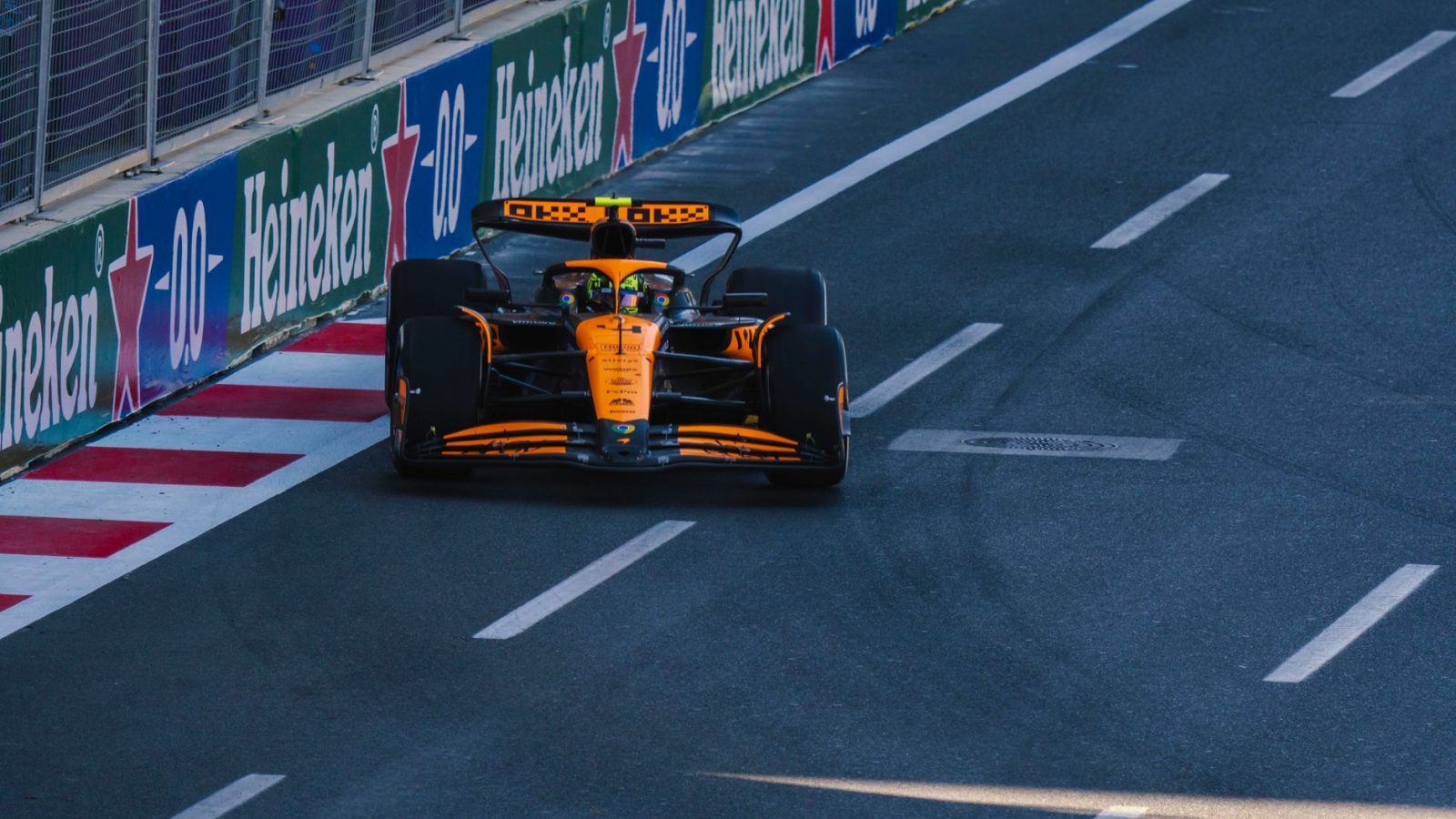
Max Verstappen opts out of using a new cooling vest, citing discomfort, ahead of the race.
Max Verstappen, the renowned Dutch Formula 1 driver, has stirred conversation by opting not to wear a new cooling vest in the upcoming Austrian Grand Prix. This decision comes amid ongoing discussions about the balance between comfort and technological advancements in sports.
The cooling vest, designed to help drivers maintain optimal body temperature during races, was deemed uncomfortable by Verstappen. He reported that the vest’s cables interfered with his comfort, a critical factor for him during high-stakes races. As the Austrian Grand Prix approaches, Verstappen’s choice highlights a broader issue faced by athletes: the challenge of integrating new technologies without compromising personal comfort.
Technological Advances in Formula 1
Formula 1 is a sport known for its rapid technological advancements. Teams constantly seek innovations that enhance performance and safety. Cooling vests are among the latest developments, aimed at helping drivers manage the extreme heat inside the cockpit. These vests are equipped with cooling elements and cables designed to regulate body temperature. However, implementing such technology can sometimes clash with personal preferences.
Verstappen’s decision not to use the cooling vest raises questions about the effectiveness and comfort of such devices. While some drivers might find these vests beneficial, others may feel restricted by their design. The balance between technological innovation and human factors is a delicate one, and Verstappen’s choice shows the importance of considering both aspects.
Impact on the Austrian Grand Prix
The Austrian Grand Prix is a significant event in the Formula 1 calendar, attracting fans and competitors from around the world. Verstappen’s decision not to use the cooling vest may influence other drivers and teams as they evaluate their own equipment choices. The focus on comfort could lead to further discussions about how to improve these technologies to better suit individual needs.
Verstappen’s stance also highlights the evolving expectations of athletes in high-performance sports. As technology continues to advance, the pressure to adopt new tools grows. However, the priority remains ensuring that these tools do not hinder performance through discomfort or distraction.
Verstappen is not alone in his concerns. Athletes across various sports face similar dilemmas, where the latest equipment might offer performance benefits but also come with drawbacks. This ongoing conversation is crucial as sports continue to evolve and adapt to new innovations.
For fans and followers of Verstappen, his choice reflects his focus on maintaining a balance between technology and personal preference. As the Austrian Grand Prix unfolds, it will be interesting to see whether other drivers follow suit or embrace the new cooling technology.
In the competitive world of Formula 1, every decision counts. Verstappen’s choice to prioritize comfort over a potentially advantageous piece of equipment is a reminder of the human element in a sport increasingly dominated by technology.

More from the desk