Westland Watering Ban Hits 20 Clubs, KNVB Warns of Risks
Westland's watering ban impacts 20 football clubs, raising injury risks on dry fields. KNVB warns of disruptions.


Westland’s watering ban affects amateur football clubs, raising injury risks and schedule disruptions.
The recent watering ban in Westland is affecting around 20 amateur football clubs, sparking concerns over safety and scheduling as the new season approaches. With fields drying up, clubs are worried about the increased risks of injuries and potential disruptions to their training and match schedules.
Impact of the Watering Ban
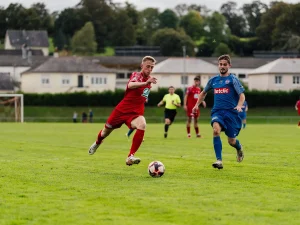
Westland, a region known for its lush greenhouses, is facing severe drought conditions, leading to a ban on watering sports fields. This decision directly impacts the amateur football community, as dry pitches pose significant safety hazards. The Koninklijke Nederlandse Voetbalbond (KNVB), the governing body for football in the Netherlands, has issued warnings to clubs about the risks.
The KNVB’s spokesperson stated, “We are advising all clubs to take extra precautions during training and matches to prevent injuries caused by the hard ground.” The lack of water not only makes the surface harder but also increases the likelihood of uneven patches, which can lead to twisted ankles and other injuries.
Challenges for Local Clubs
Amateur clubs in the area are scrambling to adapt to these conditions. Many are considering rescheduling matches or finding alternative venues with better field conditions. However, options are limited, and the financial burden of renting other fields adds to the strain.
One club manager, J.P., shared, “We are doing our best to keep the players safe, but it’s challenging when the fields are so dry. We may have to cancel some matches if conditions don’t improve.” This sentiment is echoed by many other clubs, who fear the situation could worsen if the drought persists.
The KNVB has suggested several measures, including shorter training sessions and increased player rotations, to minimize the physical impact on players. Despite these efforts, the uncertainty surrounding the playing conditions is causing frustration among teams.
Community and Safety Concerns
The impact of the watering ban goes beyond just the football clubs. The community is concerned about the broader implications for local sports and recreational activities. Parents are worried about their children’s safety, and players are anxious about the potential for injuries.
The municipality of Westland is working with the clubs to explore possible solutions, such as using treated wastewater for irrigation. However, implementing these measures will take time and resources, leaving clubs to handle the immediate challenges independently.
Background and Future Outlook
Water scarcity is an ongoing issue in the Netherlands, with regions like Westland particularly vulnerable due to their agricultural demands. The current situation highlights the need for sustainable water management practices to support both agriculture and community sports.
Looking ahead, clubs are hopeful that the situation will improve with potential rainfall in the forecast. In the meantime, they continue to adapt and find ways to ensure the safety and well-being of their players.
For more information on the drought and its impacts, visit the Rijksoverheid’s water management page or the KNVB’s official website.