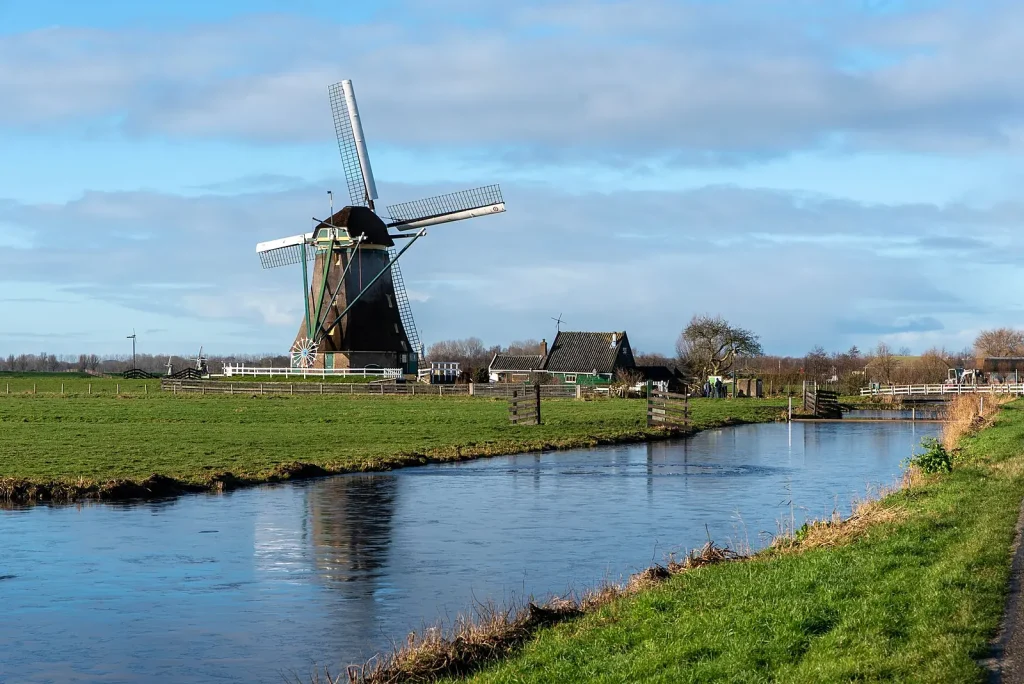
Wolves management policy allows summer actions in provinces
The 2026 wolves management policy permits Dutch provinces to shoot aggressive wolves during summer incidents to protect livestock and residents.

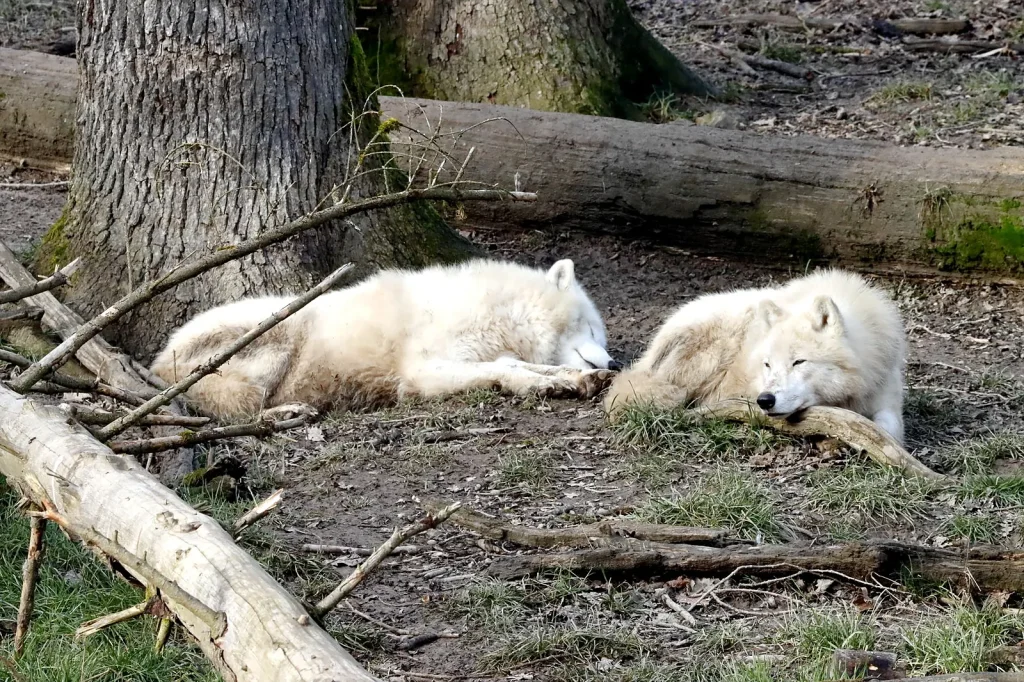
Dutch provinces can shoot aggressive wolves to protect livestock and residents during summer.
The Netherlands has introduced a new wolves management policy for 2026, granting provinces the authority to shoot aggressive wolves under specific circumstances during the summer months. This decision aims to protect livestock and residents from potential threats posed by these animals.
Summer Measures for Safety
The policy is designed to address incidents where wolves exhibit aggressive behavior that threatens human life or livestock. By allowing targeted actions, the Dutch government seeks to balance wildlife conservation with the safety of rural communities. The measure is restricted to the summer period, a time when interactions between humans and wildlife increase.
Authorities emphasize that the policy is not intended to broadly affect the wolf population. Instead, it focuses on mitigating conflicts that could arise during this season. The intention is to ensure that only wolves displaying dangerous behavior are targeted, thereby minimizing the impact on the overall wolf population in the Netherlands.
Provinces Take Action
Provincial authorities have been given the discretion to implement these measures. This local control allows for quick and effective responses to specific incidents. According to the policy, any action taken must be justified by a clear and immediate threat to people or animals. The decision aligns with broader efforts to manage wildlife in a way that respects both ecological and human needs.
As the summer progresses, provinces will monitor wolf activities closely. This vigilance aims to prevent situations from escalating and to protect the interests of both farmers and residents. The policy also includes provisions for documenting and reviewing each incident to ensure transparency and accountability.
Environmental organizations have expressed mixed reactions. Some support the targeted approach, while others caution against any measures that may harm the wolf population. Conservationists stress the importance of non-lethal methods and ongoing education about living alongside wildlife.
Background on Wolves in the Netherlands
Wolves have made a notable return to the Netherlands in recent years, with confirmed sightings in several provinces. This resurgence has been met with both enthusiasm and concern. While their presence contributes positively to biodiversity, it also raises issues related to livestock safety and human-wildlife interactions.
Efforts to manage these interactions have included public education campaigns and the installation of protective measures such as electric fences. The new policy marks a significant step in addressing the challenges posed by the increasing wolf population, particularly during the active summer months.
What Happens Next?
Looking ahead, the effectiveness of the 2026 wolves management policy will be closely monitored. Authorities will assess its impact on reducing aggressive incidents and its influence on the wolf population. Adjustments may be made based on findings and feedback from both conservationists and local communities.
The Dutch government remains committed to finding a sustainable path that supports wildlife conservation while ensuring the safety of its citizens. As this policy unfolds, it will serve as a model for how countries can address the complex interplay between humans and wildlife.
For more information about the policy and its implications, visit the rijksoverheid website. Additionally, insights on wildlife management can be found on the KNMI site, which offers resources on environmental conservation.