Zeeland Wind Turbines Halted After Sea Eagle Death
Zeeland wind turbines halted after a sea eagle's death. The measure aims to protect wildlife, highlighting tensions with renewable energy.

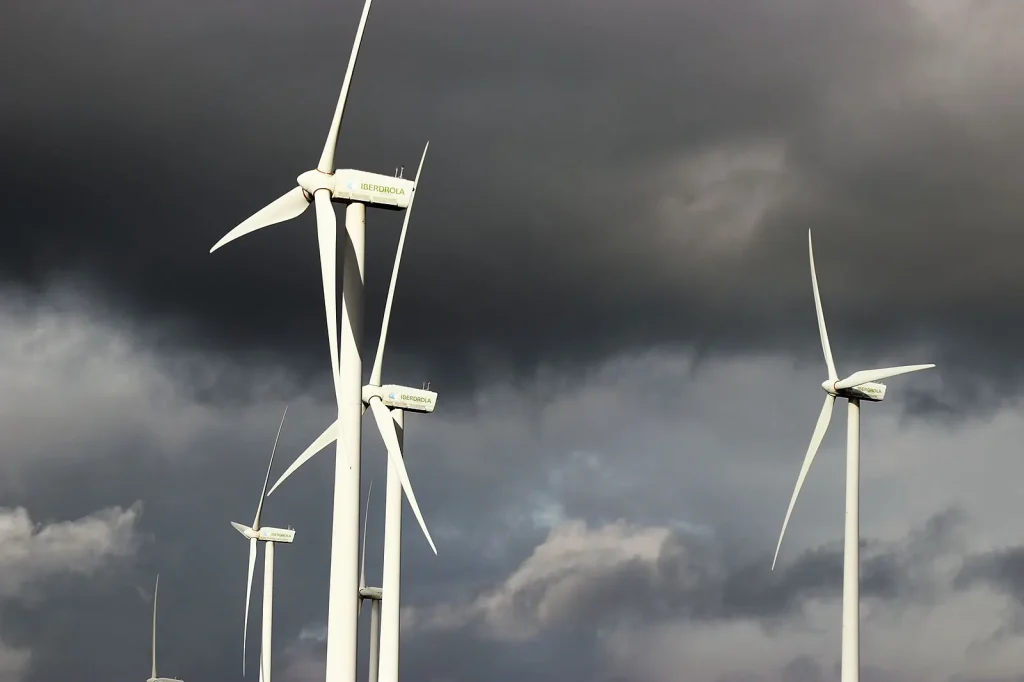
20 turbines in Zeeland stopped due to sea eagle collision, highlighting tensions between energy projects and wildlife conservation.
The province of Zeeland wind turbines halted after a sea eagle’s death. The measure aims to protect wildlife, highlighting tensions with renewable energy.
Zeeland Wind Turbines Halted
The province of Zeeland has taken decisive action by halting 20 wind turbines at the Kreekraksluizen, a lock complex, during daylight hours. This decision follows the tragic death of a sea eagle, which collided with one of the turbine blades. The incident has reignited debates on the balance between renewable energy projects and wildlife conservation in the Netherlands.
The turbines will remain inactive during the day while wind park owners install advanced bird detection systems. These systems are designed to slow rotor speeds when an eagle is detected nearby, aiming to prevent further collisions.
Conservation Concerns
This is not the first time such an incident has occurred in Zeeland. Four years ago, a similar collision prompted calls for protective measures. Nature organizations have been vocal in their demands for stricter regulations to safeguard bird populations, particularly the vulnerable sea eagles.
The environmental services of Zeeland concluded that the wind park owners had not fully complied with existing regulations. As a result, the province has mandated the installation of detection systems as a condition for resuming daytime operations.
According to a spokesperson from the province, “The protection of our wildlife is a priority. The installation of these systems will help balance energy production with conservation efforts.”
The move to halt the turbines has been met with mixed reactions. While environmentalists welcome the decision, some energy advocates express concerns about the potential impact on renewable energy outputs. The Netherlands has been aggressively pursuing renewable energy targets, and wind power is central to these plans.
However, the incident shows the ongoing conflict between expanding renewable energy infrastructure and preserving the natural environment. The Dutch government has been navigating these challenges as it aims to increase its reliance on renewable sources while ensuring the protection of its unique ecosystems.
Background
The Netherlands, known for its commitment to renewable energy, has been expanding its wind power capacity to meet climate goals. Wind parks, such as those in Zeeland, contribute significantly to the country’s energy mix. However, this expansion has sometimes clashed with conservation efforts, especially in regions home to protected wildlife species.
Sea eagles, majestic and rare, are particularly vulnerable to wind turbine collisions. Conservationists have long warned about the risks posed by these structures to bird populations, advocating for measures to mitigate these dangers.
What Happens Next?
The installation of bird detection systems is expected to be completed in the coming months. These systems represent a technological step forward in balancing energy production with wildlife conservation. They are designed to detect approaching birds and adjust turbine operations to minimize collision risks.
Meanwhile, discussions continue among stakeholders, including government bodies, energy companies, and environmental organizations. The focus remains on finding sustainable solutions that address the needs of both energy production and wildlife preservation.
As the Netherlands continues to lead in renewable energy initiatives, the lessons learned from Zeeland’s situation may serve as a blueprint for future projects. The challenge lies in ensuring that the push for green energy does not come at the expense of the natural world.
For more information on renewable energy and conservation efforts in the Netherlands, visit the Rijksoverheid and the Natuurmonumenten websites.