Asylum seekers relocation eases Ter Apel overcrowding
120 asylum seekers were relocated from the overcrowded Ter Apel center to Groningen, addressing pressing capacity issues.

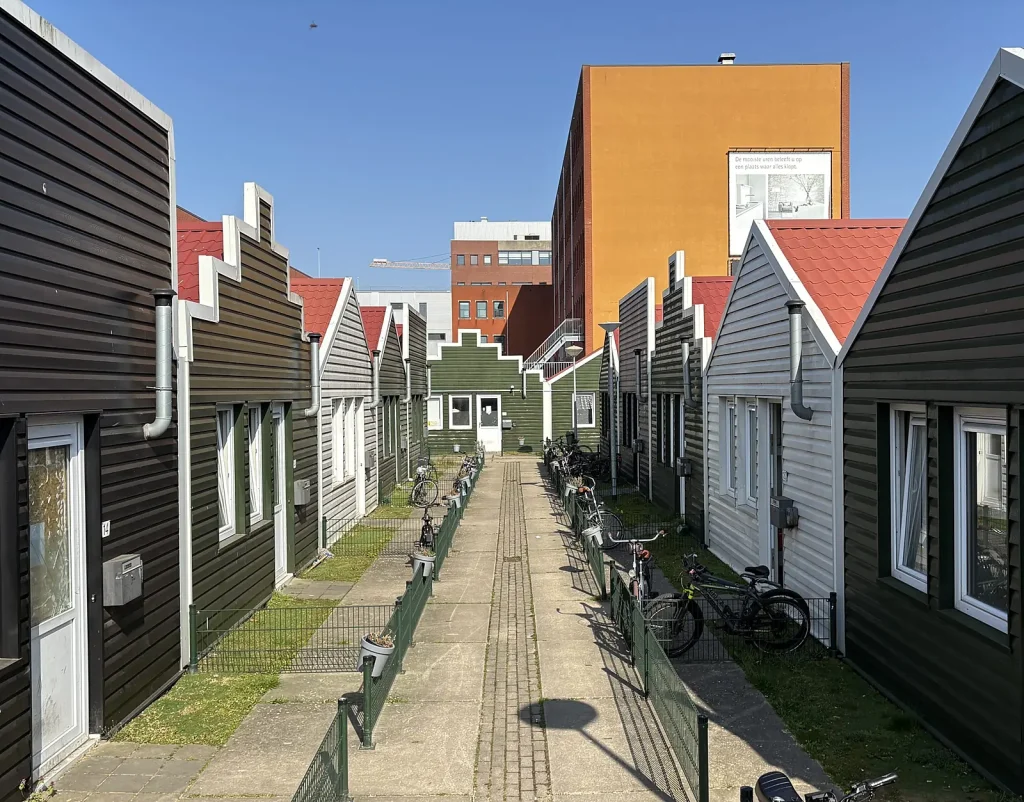
120 asylum seekers were moved to Groningen, addressing capacity issues at the Ter Apel registration center.
The relocation of 120 asylum seekers from the Ter Apel registration center to a night shelter in groningen-ter-apel/”>Groningen is a crucial step in addressing the ongoing challenges of managing asylum accommodations in the Netherlands. This move is intended to alleviate the overcrowding at Ter Apel, which has been under significant pressure due to the high number of asylum seekers arriving in the country.
Addressing Overcrowding at Ter Apel
Ter Apel, situated in the province of Groningen, has long been the primary registration center for asylum seekers entering the Netherlands. Recently, it has struggled with severe overcrowding, leading to concerns about the living conditions for those housed there. The decision to relocate 120 individuals to a night shelter in Groningen aims to ease this burden, providing temporary relief and improving living standards for both those who remain and those relocated.
The move was prompted by ongoing capacity issues at Ter Apel, which have been exacerbated by a steady influx of individuals seeking refuge. Asylum seekers often face long waits for processing, and the ability to accommodate them adequately has been a persistent challenge for Dutch authorities. By transferring some of the population to Groningen, officials hope to create a more manageable situation at the registration center.
Implications for Dutch Asylum Policy
This relocation highlights broader issues within the Dutch asylum system. The Netherlands, like many European countries, is grappling with how to effectively manage and process asylum seekers amidst global migration pressures. The situation at Ter Apel shows the need for comprehensive solutions that can accommodate fluctuating numbers of arrivals while ensuring humane living conditions.
Relocating asylum seekers is one of several strategies being employed to address these challenges. The Dutch government continues to explore additional measures, including expanding capacity at existing centers and opening new facilities. These efforts are crucial in maintaining a balanced approach to asylum processing, ensuring that the rights and needs of asylum seekers are met without overwhelming local resources.
As the situation evolves, the Dutch government remains committed to finding sustainable solutions. The relocation of asylum seekers from Ter Apel to Groningen is a temporary measure, but it reflects a broader commitment to addressing the systemic issues within the asylum process.
What Happens Next?
The immediate impact of the relocation is expected to be positive, providing relief to the overcrowded conditions at Ter Apel. However, the long-term success of such measures will depend on continued efforts to expand and adapt the Dutch asylum infrastructure.
Authorities are likely to monitor the situation closely, assessing the effectiveness of the relocation and making adjustments as needed. The ongoing dialogue between government agencies, local municipalities, and non-governmental organizations will be essential in crafting policies that are both effective and compassionate.
the relocation of 120 asylum seekers from Ter Apel to Groningen is a significant step in managing the current challenges faced by the Dutch asylum system. It is a reflection of the broader efforts required to address the complexities of global migration and the need for adaptable, humane solutions.
For more information on the Dutch asylum process and policies, visit the rijksoverheid website or learn about the asylum process in the Netherlands.