Dutch Vape Tax Would Add Duties on Top of 21% VAT
The Dutch vape tax would add excise duties to electronic cigarettes and refill liquids from January 2029. Rates remain undecided, with no immediate price increase under this plan.

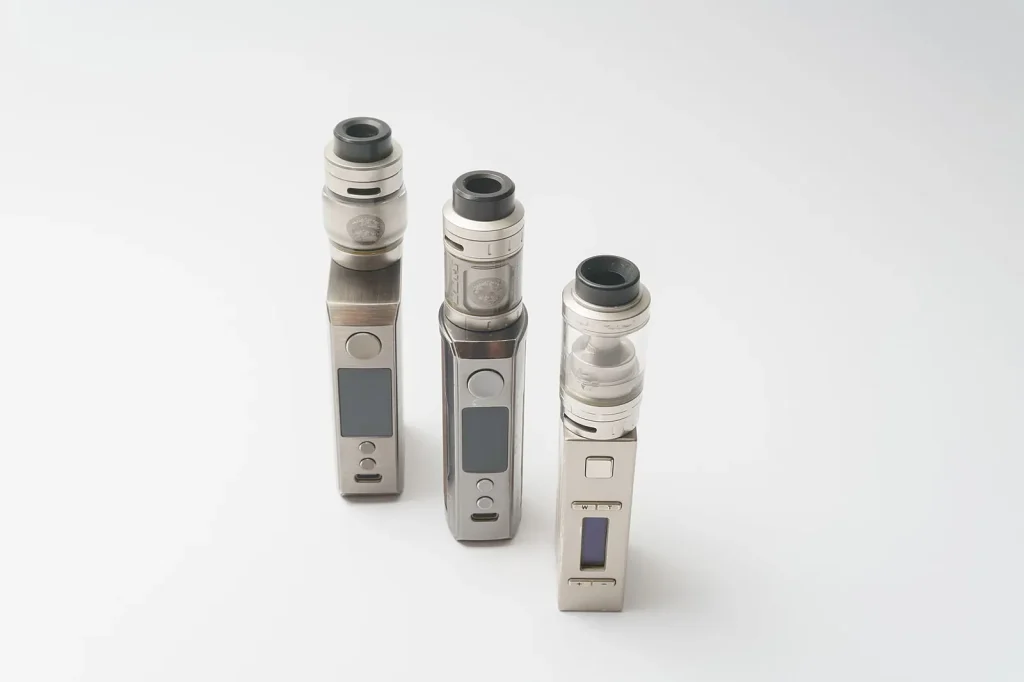
The cabinet wants excise duties from January 2029, but rates remain undecided and earlier European rules could replace the plan.
The Dutch vape tax would raise costs for users in the Netherlands from January 1, 2029. The government plans excise duties on electronic cigarettes and refill liquids. Users already pay 21% value-added tax, known as VAT. The new duty would come on top of that.
However, the cabinet has not yet calculated the exact rates. It expects prices to rise by several euros, with duties comparable to those on tobacco products. This is a future tax plan, not an immediate price increase.
The plans appear in a report by NOS, the Dutch public broadcaster. Finance State Secretary Eerenberg said: “Het is schokkend hoeveel jongeren nu aan de vapes zitten”. This means he finds the number of young people vaping shocking.
What the additional tax would cover
The proposed duty would cover vapes as well as refill liquids. Therefore, its scope extends beyond the electronic cigarette itself. People who buy liquid for refillable devices would also face the additional tax.
Under this proposal, the government would add excise duty to the VAT already charged on vaping products.
However, the expected increase of several euros is not a fixed price rise for every product. Without published rates, consumers cannot calculate how much extra a particular vape or refill would cost. The tobacco comparison describes the government’s intended approach, rather than a final price list.
For now, the clearest point is the planned start date. January 1, 2029, is the date proposed for the new duty.
Existing flavour and smoking rules still apply
Meanwhile, the tax proposal follows earlier limits on vaping products. The ban on flavoured vapes began on January 1, 2024. Tobacco flavour remains permitted. The future tax does not change that existing restriction.
Vaping is also prohibited wherever smoking bans apply. Therefore, users should not assume that an electronic cigarette is allowed in a smoke-free space. The fact that a device does not burn tobacco does not create an exemption.
For visitors and new residents, this distinction matters when checking local rules. A product’s legal sale does not mean people can use it everywhere. Likewise, paying tax on a product does not remove restrictions on its use.
Shop restrictions could arrive before the tax
Sales are expected to become limited to specialist shops before the excise duty starts. However, the timing is not yet settled. The possible start dates are July 1, 2027, and January 1, 2028.
These are separate changes with separate timetables. The shop restriction concerns where people can buy vaping products. By contrast, the excise proposal concerns the tax charged on those products.
Consumers should therefore keep the two dates apart. A change in sales outlets would not, by itself, mean the planned excise duty had started. Equally, the proposed 2029 tax date does not settle when specialist-only sales would begin.
What this means for people living in the Netherlands
The proposal affects people who buy vapes or refill liquids in the country. For now, it does not establish a new charge payable by consumers today. There is also no exact amount to add to a household budget.
If you use these products, check the final rates before estimating your future spending. The government’s estimate of several euros is too broad for a reliable product-by-product calculation. Keep January 1, 2029, in mind as the proposed tax date, rather than a confirmed price for your usual purchase.
Meanwhile, follow the rules already in force. Check that products comply with the flavour restrictions. Do not vape in places covered by smoking bans. New arrivals should check Dutch rules rather than assume their home country’s rules apply.
European duties could replace the Dutch proposal
There is another condition attached to the plan. If European vape excise duties take effect before January 1, 2029, the cabinet will withdraw its own proposal. Therefore, the Dutch timetable depends partly on what happens at European level.
That condition does not establish what any European rate would be. Nor does it settle the final cost for users. The next details to watch are the proposed Dutch rates and any earlier European start date.
For now, the distinction is straightforward: an additional tax is planned, while the amount remains undecided. Existing flavour restrictions and smoking bans already apply.