Dutch electrical grid strain threatens home upgrades in Utrecht
Dutch households face waitlists for electrical upgrades as demand rises. New rules are set to impact sustainable plans.

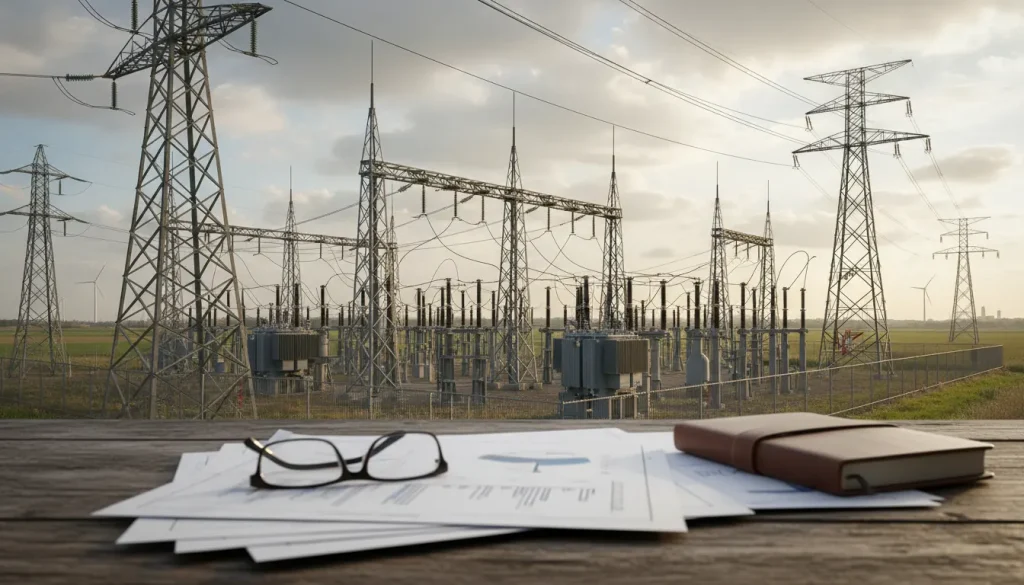
Demand for heavier connections grows as new rules approach, impacting sustainable home plans.
The Dutch electrical grid strain is increasingly impacting households seeking to upgrade their home connections. With the demand for electricity rising, many face potential waitlists just as they plan sustainable upgrades like heat pumps and electric vehicle (EV) chargers.
Growing Demand and New Challenges
As the nation moves towards sustainable energy solutions, more households are requesting heavier electrical connections. This surge, confirmed by national grid operators, comes ahead of new rules set to begin soon. These regulations aim to manage grid space allocation more efficiently, but they have also triggered a rush for connections.
Stedin, the network operator responsible for Zuid-Holland, Utrecht, and Zeeland, reports a notable increase in connection requests since these changes were announced. The growing demand reflects a broader trend towards electrification in homes, yet it brings challenges to the existing infrastructure.
Utrecht Faces Immediate Impact
Utrecht, a key area affected by this grid strain, has parts of its network already declared ‘locked’. This means no additional connections can be made until further upgrades are implemented. The situation highlights the urgency of addressing grid capacity issues as more residents look to install energy-efficient systems.
Households in the region are particularly concerned that their sustainable plans could be delayed. With the new regulations on the horizon, the pressure on grid operators like Stedin is mounting. They must balance the immediate needs of residents with long-term infrastructure improvements.
The national push towards renewable energy sources and the electrification of homes shows the importance of these upgrades. However, the current grid constraints pose a significant hurdle.
Background on Grid Capacity Issues
The Netherlands has been actively encouraging sustainable home improvements as part of its climate goals. Heat pumps and EV chargers are central to this strategy, reducing reliance on fossil fuels. Yet, the existing grid infrastructure is struggling to keep pace with the swift transition.
In recent years, grid operators have been working to expand capacity, but the demand has outstripped these efforts. The upcoming rules are intended to simplify how grid space is allocated, ensuring fair access for all. However, they also highlight the need for rapid investment in grid enhancements.
What Happens Next?
As the new regulations approach, households and grid operators alike are preparing for the changes. The government and grid operators are exploring solutions to alleviate the pressure on the network. This includes potential investments in grid expansion and technological innovations to enhance capacity.
For residents, the focus remains on securing the necessary connections to support their sustainable home upgrades. The situation calls for coordination between policymakers, grid operators, and the public to address these challenges effectively.
In the coming months, how the Dutch electrical grid adapts will be crucial. It will not only impact immediate household needs but also the country’s broader environmental objectives.
For more information on the grid situation and sustainable energy initiatives, visit Rijksoverheid and Stedin.