
Dutch Plastic Gum Ban Targets 1 Million Kilos of Litter
The Dutch government proposes a ban on plastic gum to tackle over 1 million kilos of street litter annually.
Published 27 June 2026 · 12:05 CET
2 min read
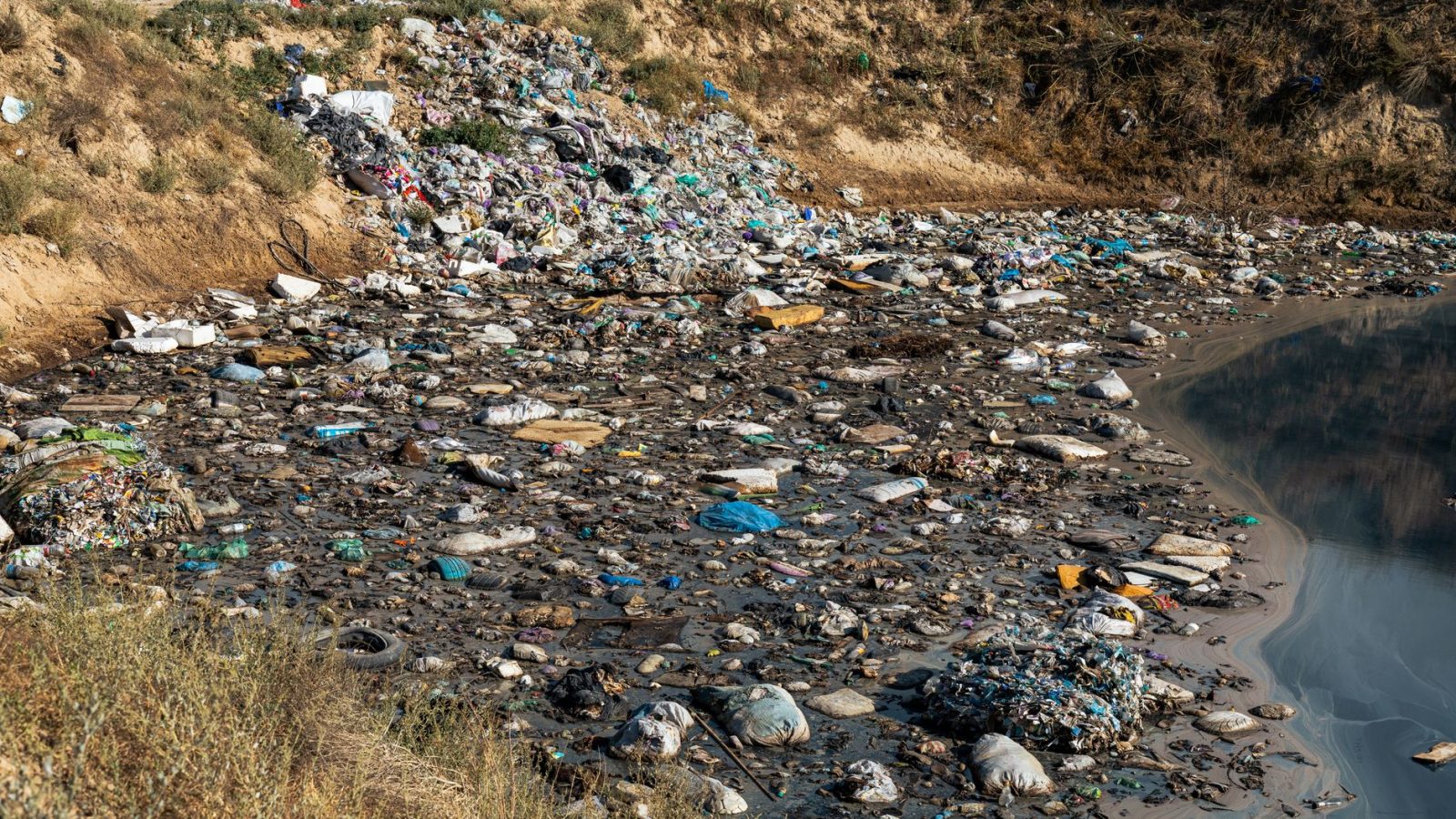
The Netherlands pushes for an EU-wide ban on plastic-containing gum to reduce pollution.
The Dutch government is advocating for a ban on chewing gum containing plastic components. This initiative aims to address the significant environmental issues caused by millions of kilos of gum discarded as litter each year. By leading this effort, the Netherlands hopes to set a precedent for similar measures across Europe.
Chewing gum is a common sight on streets, often stuck to pavements and public spaces. This contributes to pollution and poses challenges for urban cleanliness. The proposal to ban plastic gum is part of a broader government agenda to tackle single-use plastics and their environmental impact.
Dutch Plastic Gum Ban: Environmental Impact
The Netherlands is no stranger to environmental challenges. Each year, hundreds of thousands of kilos of gum, often made with synthetic polymers, end up as litter. This not only affects the aesthetic of public spaces but also introduces microplastics into the environment. The proposed ban aims to mitigate these issues by encouraging the production and use of gum made from natural ingredients.
According to the Dutch government, the shift to natural gum could significantly reduce microplastic pollution. These tiny plastic particles are notorious for entering waterways and ecosystems, causing harm to wildlife and potentially affecting human health. By targeting a common source of these pollutants, the Netherlands is taking a proactive step in safeguarding the environment.
What This Means for Europe
The Dutch initiative could have far-reaching implications beyond the country’s borders. If successful, this policy might inspire other European nations to adopt similar measures, creating a unified front against plastic pollution. Such a ban would align with the European Union’s broader goals of reducing single-use plastics and promoting sustainability.
The proposal is part of a larger movement within the EU to address environmental concerns. As countries grapple with the effects of climate change and pollution, initiatives like the Dutch plastic gum ban offer concrete steps towards a cleaner future. The Netherlands, known for its commitment to environmental sustainability, is once again leading by example.
Environmental groups have praised the move, highlighting the importance of tackling microplastic pollution at its source. “By promoting natural alternatives, we can significantly reduce the environmental footprint of everyday products,” said an environmental policy expert involved in the initiative.
While the proposal is still in its early stages, the Dutch government is optimistic about its potential impact. The ban could serve as a catalyst for broader changes in consumer habits and industrial practices, encouraging innovation in the development of eco-friendly products.
The success of this initiative will depend on cooperation at multiple levels, from local governments to international bodies. As the Netherlands pushes forward, the hope is that other nations will recognize the importance of addressing plastic pollution and join the cause.
With millions of kilos of chewing gum discarded improperly each year, the push for a ban on plastic gum represents a significant step towards reducing litter and protecting the environment. As discussions continue, the Netherlands remains committed to leading the charge in promoting sustainable practices across Europe.

More from the desk