Utrecht otter pathways boost 20 km of waterways
Utrecht's initiative to create otter pathways with local farmers aims to enhance biodiversity and improve 20 km of waterways.

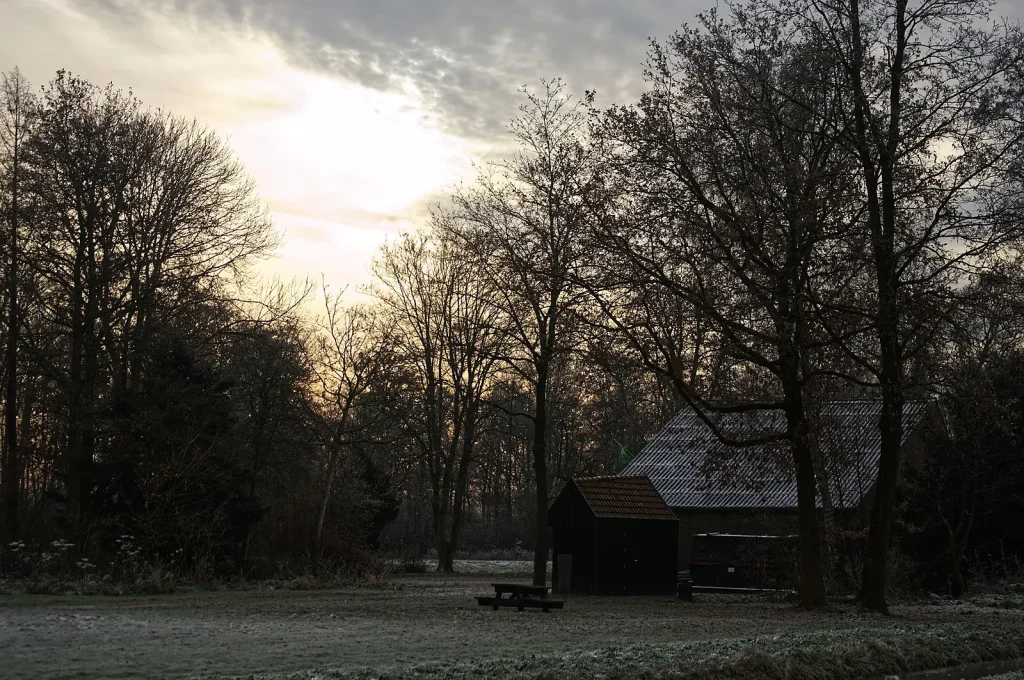
Utrecht waterschap collaborates with farmers to enhance biodiversity and improve water quality through otter-friendly habitats.
The Utrecht water authority (waterschap), in collaboration with local farmers, has launched an ambitious initiative to create otter pathways across the region. This project, which covers over 20 kilometers of water banks, aims to enhance biodiversity and improve water quality by establishing otter-friendly habitats.
Boosting Biodiversity and Water Quality
The initiative focuses on planting a diverse range of riverbank vegetation. These efforts are expected to slow water flow and create a more inviting environment for otters. Otters are considered a key indicator of healthy ecosystems, and their presence signifies a thriving natural habitat. By improving conditions along these waterways, the waterschap aims to support a wider variety of plant and animal species.
Utrecht waterschap’s collaboration with farmers is central to this project. Farmers play a crucial role in planting the necessary vegetation, which not only supports otter habitats but also benefits local agriculture. The enriched plant life helps maintain soil quality and reduces erosion, creating a sustainable balance between farming and wildlife conservation.
Efforts to Revive Otter Populations
The project seeks to revive otter populations that have been in decline due to habitat loss and pollution. By managing these 20 kilometers of water banks, the waterschap hopes to create safe corridors for otters to travel and thrive. This effort is part of a broader strategy to restore natural ecosystems in the Netherlands.
Planting diverse flora along the riverbanks not only supports otters but also enhances the overall ecological diversity of the region. This approach aligns with national goals for environmental restoration and sustainable agriculture. The initiative demonstrates how conservation and farming can coexist, benefiting both wildlife and human activities.
According to a spokesperson from the Utrecht waterschap, “This initiative is a significant step towards restoring our natural ecosystems. By working closely with farmers, we aim to create a thriving environment for otters and other species.” The project highlights the importance of community involvement in ecological preservation.
The waterschap’s efforts are supported by local governments and environmental organizations. Together, they are committed to promoting sustainable practices that protect and enhance natural habitats. This collaboration reflects a growing recognition of the need to balance human activities with environmental conservation.
For more information on Dutch environmental policies, visit the rijksoverheid website. To learn about the role of water management in the Netherlands, see the Rijkswaterstaat page.
What Happens Next
The success of the otter pathways initiative will be monitored over the coming years. The Utrecht waterschap plans to conduct regular assessments to ensure the habitats continue to support otter populations effectively. This ongoing evaluation will help refine strategies and encourage similar projects across the Netherlands.
By fostering a healthy environment for otters, the waterschap hopes to inspire other regions to adopt similar conservation efforts. The project stands as a model for integrating agricultural practices with biodiversity conservation, showing that sustainable development is achievable with collaborative efforts.
The initiative not only aims to enhance local ecosystems but also to strengthen the relationship between nature and agriculture. As the project progresses, it is expected to bring long-term benefits to both the environment and the agricultural community in Utrecht.