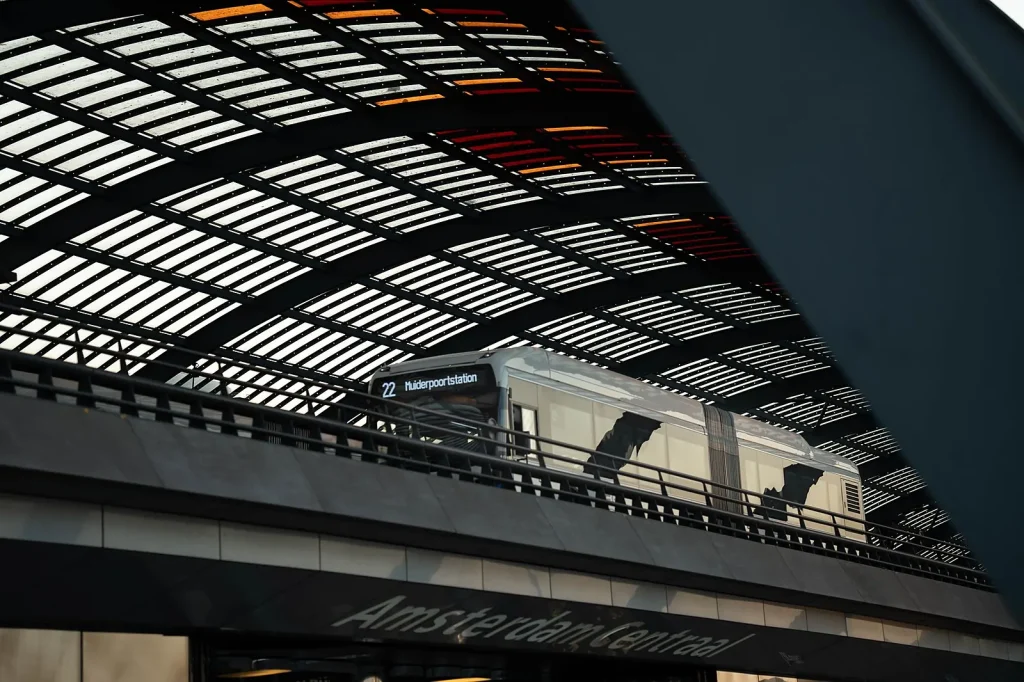
Dutch heat trends ignite siesta talks amid 30°C days
Dutch heat trends show a rise in temperature, prompting discussions on adopting the Spanish siesta to maintain productivity.

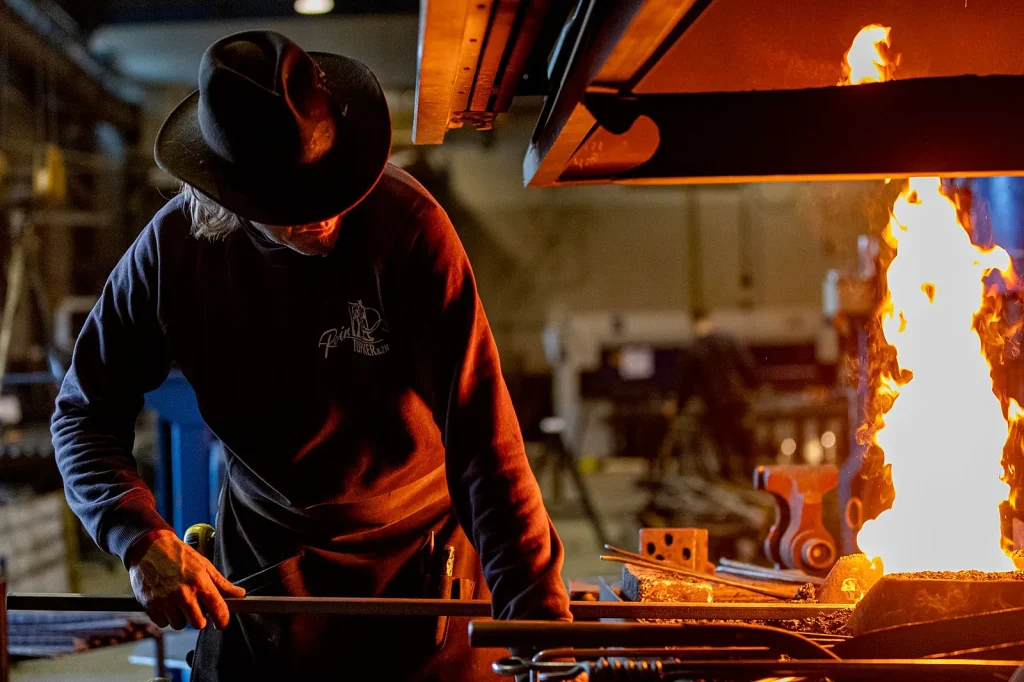
As heatwaves increase, the Netherlands considers adopting the Spanish siesta to combat high temperatures.
As the Netherlands experiences increasingly frequent heatwaves, the conversation around adapting daily routines is gaining momentum. Dutch heat trends show a significant rise in temperatures, prompting many to consider the Spanish siesta as a potential solution. This adaptation could help mitigate the effects of extreme heat, maintaining both health and productivity.
Heatwaves and Daily Life
The Netherlands has witnessed a notable increase in the number of heatwaves in recent years. According to the Koninklijk Nederlands Meteorologisch Instituut (KNMI), summer temperatures now often exceed 30°C. This rise in temperature affects various aspects of daily life, from work to leisure activities.
Rising temperatures have forced individuals and businesses to rethink their daily schedules. The impact on productivity is particularly concerning. Many workplaces struggle to maintain efficiency during the hottest parts of the day. This challenge has led to discussions about adopting strategies from warmer climates.
The Siesta Solution
One such strategy is the Spanish siesta. In Spain, it is common to take a break during the hottest part of the day, typically between 2 PM and 5 PM. This practice allows individuals to rest and recharge, avoiding the peak heat. As temperatures soar in the Netherlands, the siesta is being considered as a viable adaptation.
Researchers suggest that incorporating a midday break could benefit both physical health and mental well-being. Implementing such a change requires adjustments in work culture and schedules. However, the potential benefits may outweigh the challenges. Employers may need to consider flexible working hours to accommodate this adaptation. By doing so, they could improve employee satisfaction and overall productivity.
Background
The concept of a siesta is not entirely new to the Netherlands. Historically, some rural communities practiced midday breaks during summer. However, modern work culture has moved away from this tradition. With climate patterns shifting, it might be time to revisit and adapt these practices.
Internationally, the siesta is often associated with Mediterranean countries. Yet, as global temperatures rise, other regions are beginning to explore similar adaptations. The Dutch experience with increasing heatwaves mirrors trends seen in other parts of Europe. This shared challenge highlights the need for innovative solutions.
What Happens Next?
As discussions continue, the potential adoption of the siesta in the Netherlands remains an open question. It requires collaboration between policymakers, employers, and employees. Adjustments in infrastructure, such as air conditioning and shaded areas, could support this transition.
The rijksoverheid is considering various measures to address the impact of heatwaves. These include enhancing public awareness and encouraging heat-friendly work practices. The siesta could be part of a broader strategy to adapt to changing climate conditions.
Looking ahead, the Netherlands may need to embrace new ways of living and working. As climate patterns evolve, so too must our daily routines. The siesta offers a glimpse into how traditional practices can inspire modern solutions.
For more information on Dutch climate adaptation strategies, visit the rijksoverheid website. To understand more about the weather patterns, you can check the KNMI for the latest updates.