
Vrachtwagenheffing Truck Toll Starts July, Boosts Green Transport
The Vrachtwagenheffing truck toll charges trucks over 3500 kilos per kilometer on Dutch highways, promoting sustainability.
Published 27 June 2026 · 17:05 CET
2 min read
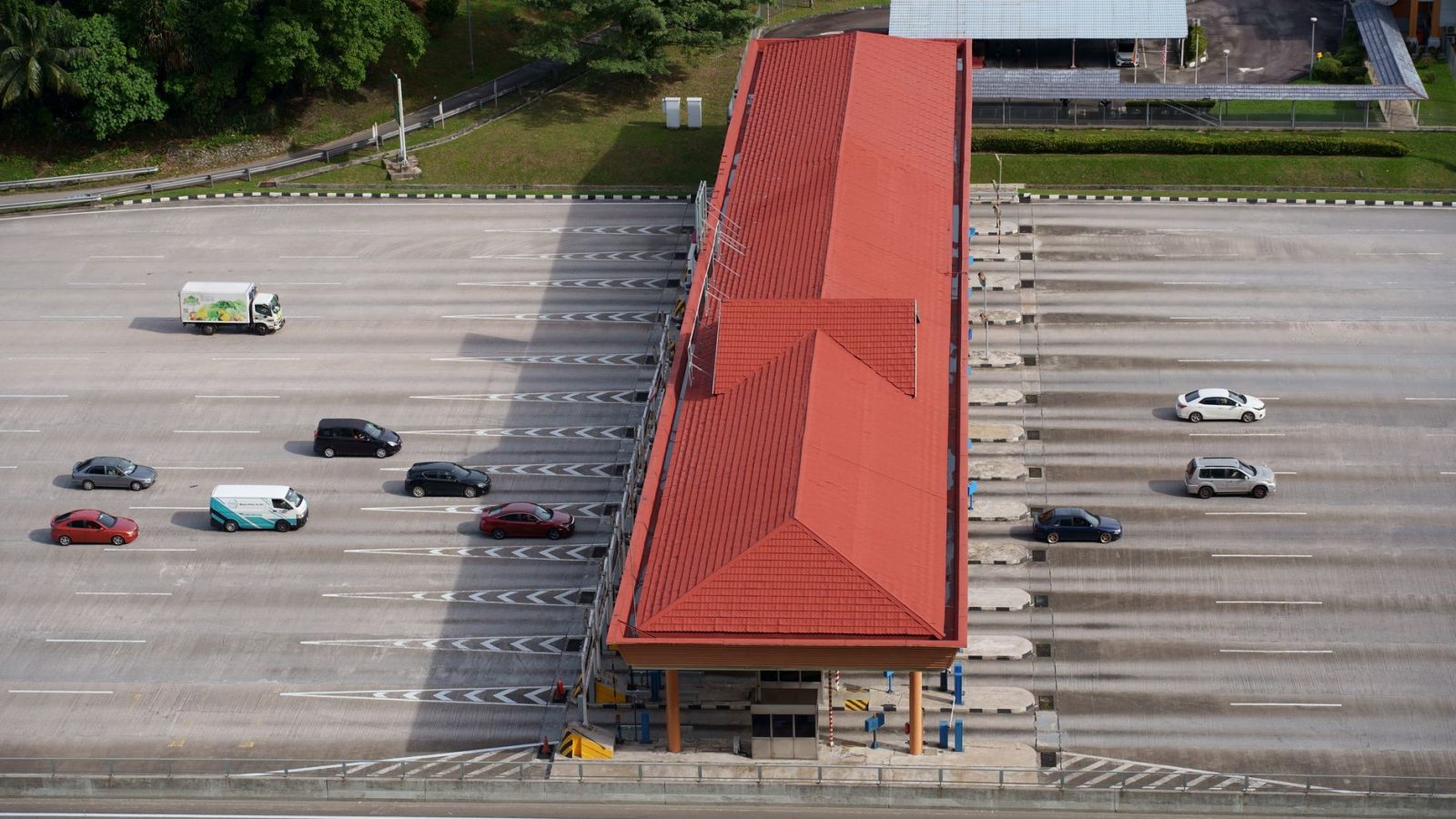
From July, Dutch highways will see a new toll for trucks over 3500 kilos, encouraging sustainability and supporting electric vehicle adoption.
The Vrachtwagenheffing truck toll is set to begin in the Netherlands, marking a significant move towards sustainability in the transport sector. This new policy requires trucks over 3500 kilos to pay a toll based on the distance driven on Dutch highways. The initiative is designed to encourage greener practices by imposing higher charges on heavier vehicles while offering lower rates for electric trucks.
How the Vrachtwagenheffing Works
The toll applies to almost all Dutch highways and aims to reduce the environmental impact of heavy transport. Heavier trucks will incur higher charges per kilometer, while electric trucks will benefit from reduced rates. This differentiation is intended to incentivize the adoption of cleaner vehicle technologies, aligning with broader European goals for reducing emissions.
The revenue generated from the Vrachtwagenheffing will be strategically reinvested. Funds will support subsidies for purchasing electric vehicles and developing essential infrastructure, such as charging stations. This financial support is crucial for operators transitioning to more sustainable fleets, as electric trucks currently involve higher initial costs.
Financial Implications and Environmental Goals
The introduction of the truck toll coincides with a reduction in the motorrijtuigenbelasting, a road tax for trucks. This reduction aims to offset the increased costs that operators might face due to the new toll. Electric trucks will not only benefit from lower tolls but also from the subsidies funded by the toll revenue. These measures are expected to accelerate the shift towards more sustainable transport solutions. The Dutch government hopes that this initiative will contribute significantly to reducing greenhouse gas emissions from the transport sector, given that heavy vehicles are a major source of pollution.
According to a spokesperson from the Dutch Ministry of Infrastructure and Water Management, “The Vrachtwagenheffing is a crucial step in making the transport sector more sustainable. By encouraging the use of electric trucks, we aim to reduce emissions and promote cleaner technologies.” This statement highlights the government’s commitment to environmental sustainability.
Background and Future Prospects
The Vrachtwagenheffing aligns with the Netherlands’ broader environmental policies and commitments to the European Union’s climate goals. The Netherlands has been proactive in implementing measures to combat climate change, and this truck toll is part of a series of initiatives aimed at achieving significant reductions in emissions.
Looking ahead, the success of the Vrachtwagenheffing will be closely monitored. Its impact on reducing emissions and promoting electric vehicles will be evaluated to inform future policies. The Dutch government is keen to see how this initiative will influence the transport sector’s shift towards sustainability.
For truck operators, adapting to this new policy will require strategic planning. Many will need to assess their fleets and consider investments in electric vehicles to benefit from the lower toll rates and available subsidies. The transition may pose challenges, but the long-term benefits for the environment and operational costs are significant.
As the Netherlands leads the way in sustainable transport policies, the introduction of the Vrachtwagenheffing truck toll is a key moment. It reflects a commitment to cleaner technologies and a more sustainable future for the transport sector.

More from the desk