Sewage overflow in Netherlands health concerns
Heavy rainfall led to sewage overflow in Dutch waters, urging public to avoid contaminated swimming spots due to health risks.

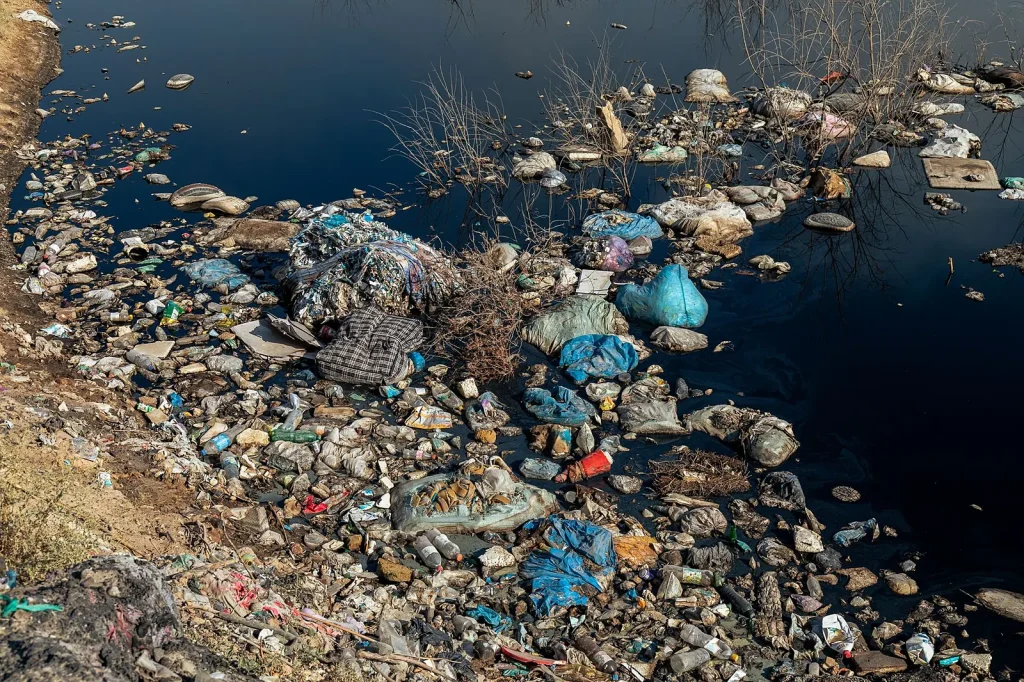
Heavy rainfall causes sewage to contaminate popular swimming spots, posing public health risks.
Recent heavy rainfall in the Netherlands has resulted in sewage overflow into several local bodies of water, causing significant concern for public health. Authorities strongly advise against swimming in these contaminated areas due to potential health hazards. The RIVM, the Dutch public health institute, is actively monitoring water quality to ensure public safety.
Impact of Sewage Overflow
The intense rainfall overwhelmed the sewage systems, leading to an overflow that has affected popular swimming locations. This situation poses a serious health risk, as sewage can contain harmful bacteria and viruses. These contaminants can cause illnesses ranging from gastrointestinal infections to more severe health issues.
A spokesperson from the RIVM confirmed, “We are closely monitoring the water quality and urge the public to avoid swimming in affected areas until further notice.” The agency is conducting regular tests and will update the public as the situation evolves.
Monitoring and Public Safety
Authorities have set up a system to inform residents about which areas are safe for swimming. This includes online resources and local advisories to keep the public informed. It is crucial for residents and visitors to check these updates before engaging in recreational water activities.
In addition to the immediate health risks, this incident highlights the challenges of managing water infrastructure in the face of extreme weather events. The Netherlands, known for its advanced water management systems, must continue to adapt to the increasing frequency of such incidents.
Background
The Netherlands has a long history of dealing with water-related challenges. Its geographical position makes it particularly vulnerable to flooding and water management issues. While the country has invested significantly in infrastructure, the changing climate introduces new variables that require ongoing adaptation.
In recent years, the Netherlands has experienced an increase in extreme weather events. This has put additional pressure on existing water management systems. The government, along with local municipalities, is working to strengthen these systems to better withstand future challenges.
What Happens Next?
The RIVM will continue to monitor the situation closely. They aim to provide clear guidance to the public regarding safe swimming locations. Residents are encouraged to stay informed through official channels and to adhere to advisories to prevent health risks.
For now, authorities urge everyone to remain cautious and informed. By following the guidance provided, residents can help ensure their safety and contribute to the broader effort to manage this situation effectively.