Electricity price increase: Dutch bills to rise by €20
From July 1, Dutch households will face a €20 rise in electricity bills. Government urges energy efficiency to manage costs.

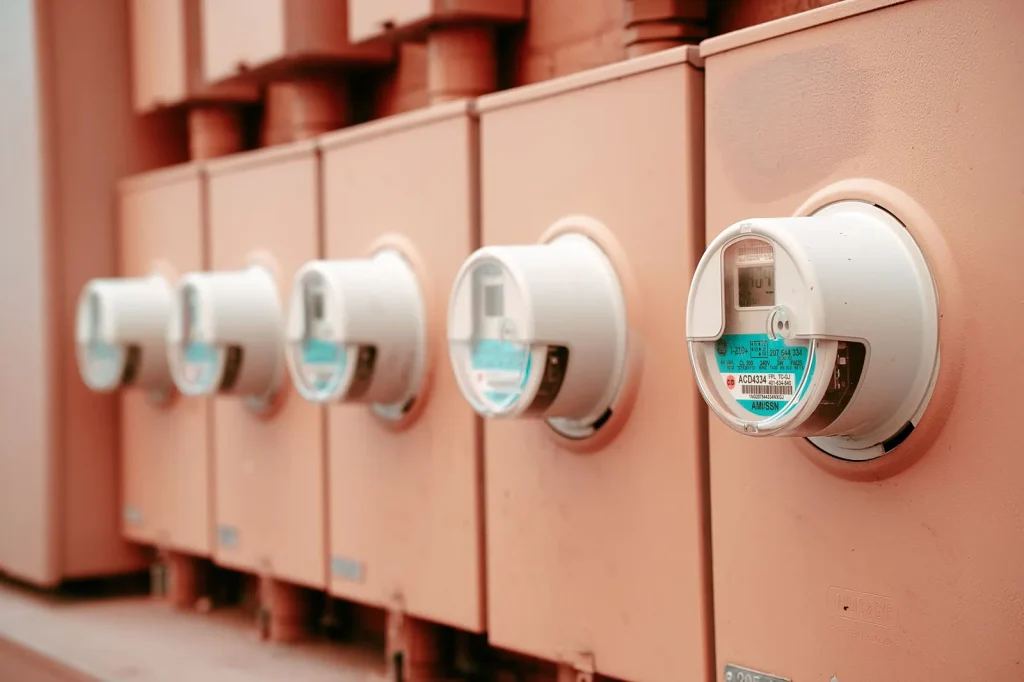
From July 1, Dutch households will see a €20 rise in monthly electricity bills, urging energy efficiency.
Starting July 1, electricity prices in the Netherlands will see a noticeable increase. This change is expected to affect household budgets, with a typical household facing a monthly bill rise of around €20. The price adjustment is attributed to shifts in the global energy market and rising demand.
The Dutch government is actively encouraging residents to adopt energy-saving measures to counter these increased costs. Suggestions include the use of energy-efficient appliances and considering the installation of solar panels. These measures are not only cost-effective but also align with the country’s sustainability goals.
Impact on Dutch Households
For many Dutch families, the upcoming electricity price hike represents a significant concern. With household budgets already stretched, an additional €20 per month can make a difference. The rise in utility prices is driven by global factors, including increased demand and market fluctuations.
To address these challenges, the government is promoting energy efficiency. By reducing electricity consumption, households can mitigate the financial impact. Simple steps such as turning off unused lights and investing in energy-efficient appliances can help lower bills.
Government’s Energy Efficiency Push
The Dutch government has been vocal about the importance of energy efficiency. Authorities emphasize that these changes are crucial for adapting to fluctuating energy markets and promoting sustainability. Energy Minister Rob Jetten stated, “We encourage all citizens to explore energy-saving options. It’s an essential step towards a sustainable future.”
In addition to household measures, the government is investing in renewable energy sources. This includes support for solar panel installations, which can significantly reduce long-term energy costs for households.
Residents are also encouraged to participate in government programs that provide financial incentives for energy-efficient home improvements. These initiatives aim to ease the transition and make sustainable living more accessible.
For more information on energy-saving tips and government programs, visit the Rijksoverheid website.
Background
The electricity price increase comes amid a broader context of environmental and economic challenges. As countries worldwide grapple with climate change, the need for sustainable energy solutions has become increasingly urgent. The Netherlands, known for its commitment to sustainability, is no exception.
By focusing on energy efficiency and renewable energy, the Dutch government aims to reduce reliance on fossil fuels and lower carbon emissions. These efforts are part of a larger strategy to combat climate change and ensure energy security for future generations.
What Happens Next?
As the July 1 deadline approaches, households across the Netherlands are preparing for the financial impact. While the government’s push for energy efficiency offers a path forward, the transition may take time.
In the coming months, residents will likely see increased communication from energy providers and government agencies. These communications will provide guidance on managing energy costs and highlight available resources.
For those interested in solar energy, the government offers subsidies to offset installation costs. This initiative aims to make solar power a viable option for more households, reducing dependency on traditional energy sources.
Overall, the electricity price increase serves as a reminder of the ongoing challenges in the energy sector. By embracing energy efficiency and exploring renewable options, Dutch households can handle these changes while contributing to a sustainable future.
For further updates on energy policies and pricing, visit the CBS website.