Nitrogen emissions reduction: Dutch livestock achieves 2% drop
The Dutch livestock sector is working towards reducing nitrogen emissions, aligning with government targets for environmental sustainability.

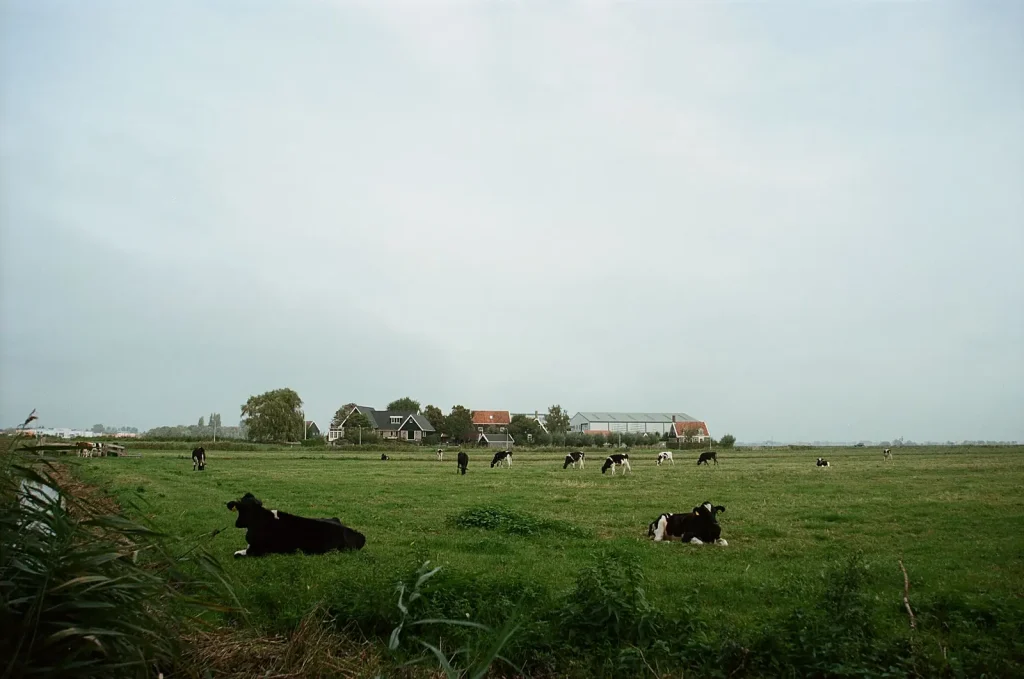
Dutch livestock sector achieves a 2% reduction in nitrogen emissions, meeting government limits for 2025.
The Dutch livestock sector achieved a notable milestone in environmental sustainability by reducing nitrogen emissions. According to CBS, the national statistics agency, emissions from livestock are being monitored to align with the government’s ceiling for nitrogen emissions, marking a positive step toward addressing environmental concerns.
Government Targets and Regulations
The Dutch government has set ambitious targets for further reducing nitrogen emissions by 2035. The new plans involve significant reductions across agriculture, transport, and industry. This initiative is part of a broader strategy to ensure environmental sustainability in the Netherlands.
Most nitrogen emissions in the livestock sector are attributed to cattle. This presents a continuing challenge, as cattle farming remains a significant contributor to the country’s nitrogen footprint. The government’s approach includes regulations and incentives for farmers to adopt sustainable practices. These measures are crucial for balancing agricultural productivity with environmental responsibilities.
Nitrogen Emissions Reduction: The Path Forward
The reduction in nitrogen emissions highlights the efforts made by the livestock industry to adapt to new environmental standards. The Dutch cabinet’s plans focus not only on reducing emissions but also on transforming agricultural practices. This transformation involves adopting innovative techniques and technologies that minimize environmental impact.
While reductions are encouraging, the road to achieving the 2035 targets requires sustained effort and collaboration across sectors. The government plans to support farmers through subsidies and educational programs that promote best practices in sustainable farming. These initiatives aim to equip farmers with the tools needed to reduce emissions while maintaining productivity.
The broader impact of these efforts extends beyond the agricultural sector. By reducing nitrogen emissions, the Netherlands aims to protect its natural habitats and improve air quality. This aligns with international commitments to combat climate change and promote environmental health.
Despite the progress, the livestock sector faces ongoing challenges. The need for innovation and adaptation is critical as the industry seeks to meet the stringent targets set by the government. Collaboration with research institutions and technology developers will be essential in driving forward sustainable practices.
Background and Next Steps
In recent years, nitrogen emissions have been a contentious issue in the Netherlands. The country’s dense population and intensive farming practices have contributed to high levels of emissions, prompting government intervention. The current reduction is part of a series of measures aimed at tackling this environmental challenge.
Looking ahead, the focus will be on implementing the government’s plans effectively. This includes monitoring progress and making adjustments as needed to ensure targets are met. The commitment to reducing nitrogen emissions reflects a broader dedication to safeguarding the environment for future generations.
For more information on the government’s environmental policies, visit the rijksoverheid website. To explore the data on nitrogen emissions, see the CBS website.