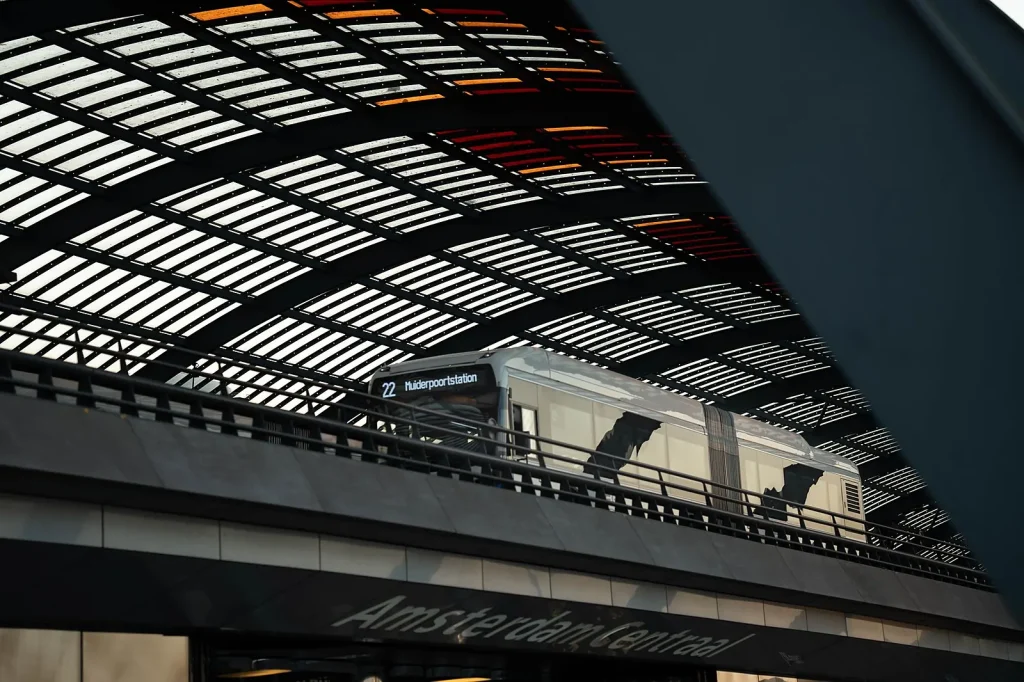
Summer train subscription soars with 175,000 sold in two weeks
NS's summer train subscription has seen significant uptake, encouraging travel and reducing traffic.

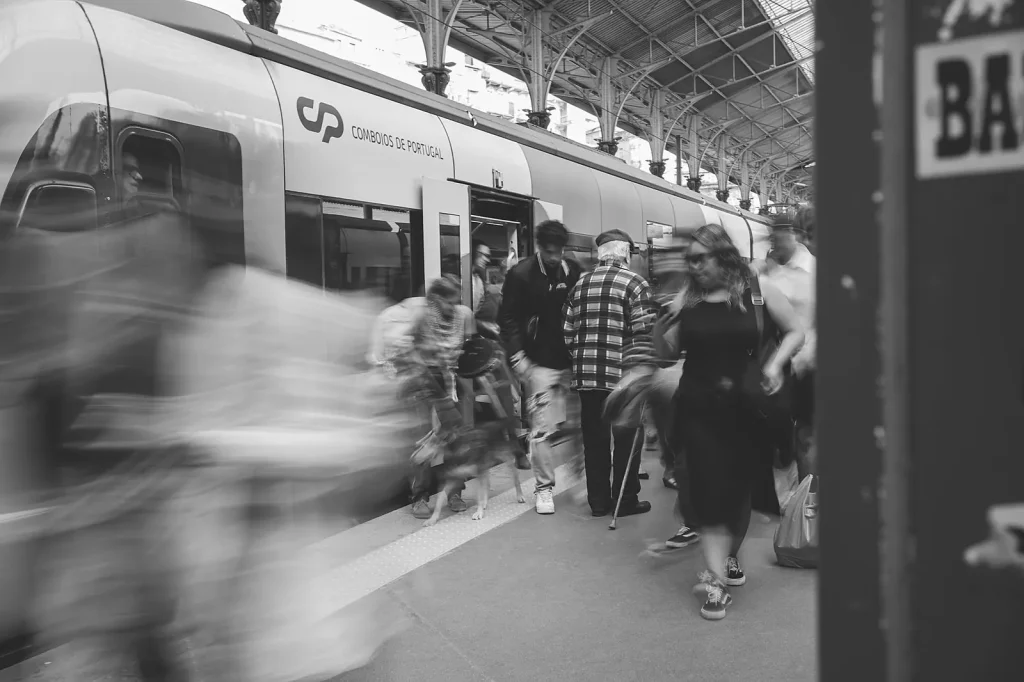
NS’s summer train pass attracts 175,000 buyers in two weeks, reducing traffic and emissions.
The summer train subscription offered by NS, the Dutch national rail operator, has proven to be a remarkable success. Many people have embraced the opportunity to travel across the country with this discounted pass. This initiative has encouraged significant travel using the subscription.
The subscription, priced at a modest 49 euros per month, grants unlimited off-peak travel. This offers significant savings compared to regular commuting costs, making public transport more accessible and attractive to the Dutch public. Such initiatives are crucial in encouraging the use of trains over cars, aiming to reduce road traffic and emissions.
Why the Subscription Matters
Public transport initiatives like this summer train subscription play a vital role in Dutch efforts to combat climate change. By providing affordable and convenient travel options, NS encourages citizens to choose trains over cars, which can significantly reduce traffic congestion and lower carbon emissions. This aligns with national goals to promote sustainable transportation.
NS spokesperson Peter van der Veen described the overwhelming demand as a positive indicator of the public’s willingness to embrace public transport when affordability is prioritized. “The response to the summer train subscription has been incredible. It shows that people are ready to shift to more sustainable travel options if they are budget-friendly,” van der Veen said.
Environmental Benefits and Future Prospects
Reducing road traffic is not just about convenience; it has a direct impact on the environment. Fewer cars on the road mean lower emissions, contributing to cleaner air and a healthier environment. This initiative by NS is a step towards achieving the Netherlands’ environmental targets, including reducing greenhouse gas emissions.
with the success of this subscription, there is potential for similar initiatives in the future. Other public transport operators may look to replicate this model, further enhancing the country’s public transport network. This could lead to a more integrated and efficient system that benefits all citizens.
The Dutch government, in its broader push for sustainability, supports such initiatives. They are likely to continue encouraging public transport usage through various incentives and infrastructure improvements. This aligns with the country’s commitment to reducing its carbon footprint and enhancing the quality of life for its residents.
Background on NS
NS has long been a significant player in the Netherlands’ transport sector. As the national rail operator, it serves millions of passengers annually, providing a critical link between cities and regions. The company’s focus on innovation and sustainability has positioned it as a leader in offering eco-friendly transport solutions.
Historically, the Netherlands has prioritized public transport as a means to reduce congestion and pollution. Initiatives like the summer train subscription are part of this broader strategy. By investing in public transport, the country aims to create a more sustainable future for generations to come.
What Happens Next
The success of the summer train subscription is likely to inspire further initiatives. NS may explore additional discounted passes or expand the current program to include more travel options. The data collected from this initiative will provide valuable insights into travel patterns and preferences, helping to shape future offerings.
As the Netherlands continues to promote sustainable transport, the lessons learned from this summer will be crucial. Policymakers and transport operators will need to collaborate closely to ensure that the public transport system meets the needs of a growing population while remaining environmentally friendly.
the summer train subscription’s success is a clear indication of the Dutch public’s readiness to embrace sustainable travel options. This initiative has set a precedent for future efforts in reducing traffic and emissions in the Netherlands.