Dutch officials investigate possible airborne hantavirus exposure
The hantavirus airborne investigation now underway in the Netherlands could reshape public health guidance after six cruise passengers and a KLM stewardess tested positive.

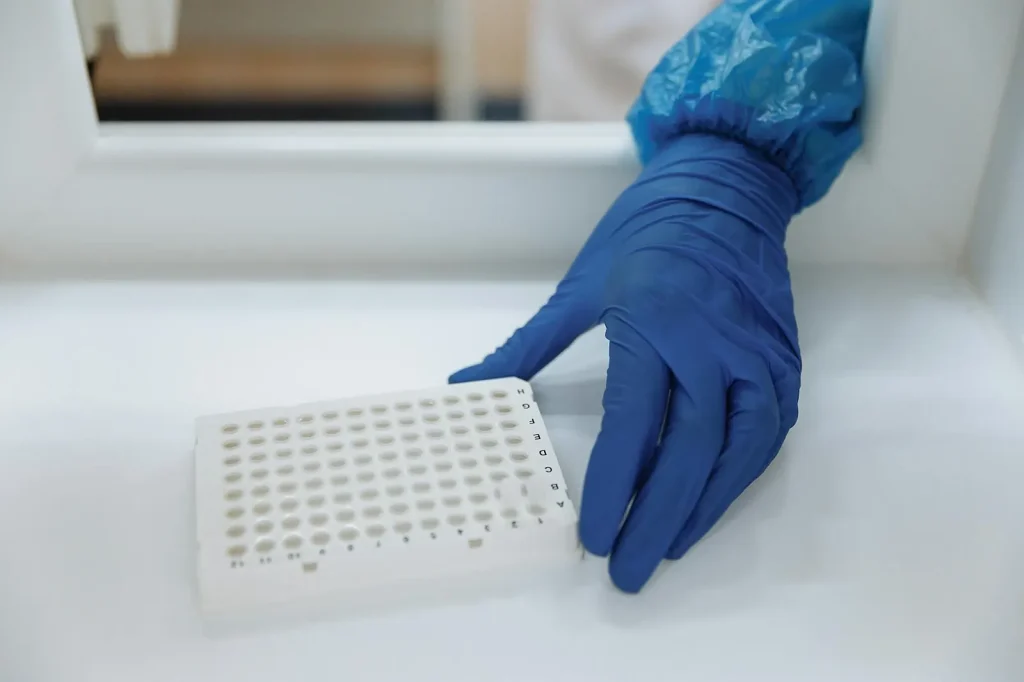
Dutch virologists probe a potentially new transmission route after a KLM crew member and cruise passengers test positive for hantavirus.
The hantavirus airborne investigation launched by Dutch virologists marks a significant moment in infectious disease research, as scientists work to determine whether the virus, long understood to spread only through close contact with infected rodents, may also travel through the air. The case came to public attention after a KLM flight attendant reportedly came into contact with a virus carrier during a flight, subsequently testing positive and entering isolation. Six cruise passengers have also tested positive, raising immediate questions about the circumstances and environment in which transmission occurred.
Hantavirus is a rare but serious illness typically associated with exposure to the droppings, urine, or saliva of infected rodents. Human-to-human transmission has historically been considered uncommon, making the current cluster of cases particularly noteworthy for the scientific community. The possibility that the virus could spread through respiratory droplets or aerosols, what is broadly referred to as airborne transmission, has prompted urgent laboratory and epidemiological work.
What the Hantavirus Airborne Investigation Involves
Researchers involved in the hantavirus airborne investigation are working on several fronts simultaneously. Virologists are examining samples from confirmed patients to understand the viral load present and the conditions under which exposure occurred. Epidemiologists are mapping the movements of the affected individuals, the KLM flight attendant and the six cruise passengers, to identify any shared environments or contact points beyond what standard close-contact transmission would explain.
Authorities have placed the KLM stewardess in isolation as a precautionary measure while testing is completed. The six cruise passengers who tested positive are also being monitored, and contact tracing is ongoing to determine whether anyone else aboard the vessel or the flight may have been exposed. Health officials have been careful not to draw conclusions ahead of the evidence, stressing that the investigation is still in early stages.
The confined, recirculated air environments of both aircraft cabins and cruise ships make them particularly relevant settings for studying respiratory transmission of any pathogen. Scientists note that if the hantavirus airborne investigation confirms even a limited capacity for airborne spread, it would represent a major development in the understanding of the disease. Current public health protocols would likely need to be reviewed and updated accordingly.
For context on how Dutch health authorities monitor and respond to infectious disease events, guidance is coordinated through national public health frameworks. More information on general infectious disease surveillance in the Netherlands can be found via the Dutch government’s infectious diseases portal. Background on hantavirus biology and known transmission routes is also documented by international scientific bodies, including detailed entries available at Wikipedia’s hantavirus page.
Why This Case Could Change Public Health Strategy
The broader implications of the hantavirus airborne investigation extend well beyond the individuals currently in isolation. If confirmed, airborne transmission would force a fundamental reassessment of how the virus is classified, how patients are isolated, and what protective equipment healthcare workers must use. At present, hantavirus patients do not typically require the same level of airborne precautions as, for example, tuberculosis patients. That could change.
Virologists are particularly focused on a strain of hantavirus known to cause severe pulmonary symptoms. The Andes variant, found primarily in South America, is the only strain previously linked to possible person-to-person transmission in scientific literature. Researchers are working to establish which strain is involved in the current Dutch cases and whether its genetic profile offers any clues about transmission capacity.
The involvement of a KLM crew member adds a layer of complexity to the investigation. Flight attendants interact with hundreds of passengers across multiple routes, and their potential exposure to a broad range of pathogens is a recognised occupational consideration. The airline has cooperated with health authorities, providing passenger manifests and facilitating contact tracing efforts where required.
Public health experts stress that there is no cause for widespread alarm at this stage. The number of confirmed cases remains small, and the investigation is precisely the kind of thorough, evidence-based response that health systems are designed to carry out. What makes this situation unusual is not the number of cases, but the scientific question at its centre: a possible new transmission pathway for a virus that has been studied for decades.
For the six cruise passengers who have tested positive, treatment remains supportive, there is no specific antiviral therapy approved for hantavirus infection. Medical teams are focused on managing symptoms, particularly any respiratory complications, and monitoring patients closely for signs of deterioration.
The Dutch scientific community is expected to publish preliminary findings as soon as sufficient data has been gathered. Until then, health authorities are urging anyone who believes they may have been in contact with a confirmed case to report their symptoms through standard medical channels and to avoid self-diagnosing based on incomplete information circulating online.
The hantavirus airborne investigation serves as a reminder that even well-studied pathogens can present new challenges, and that continuous monitoring and research remain essential pillars of public health preparedness in the Netherlands and beyond.