Limburg Water Restrictions Halt Surface Use Amid Drought
Limburg imposes water use restrictions to combat drought, ensuring priority for drinking water and public safety.

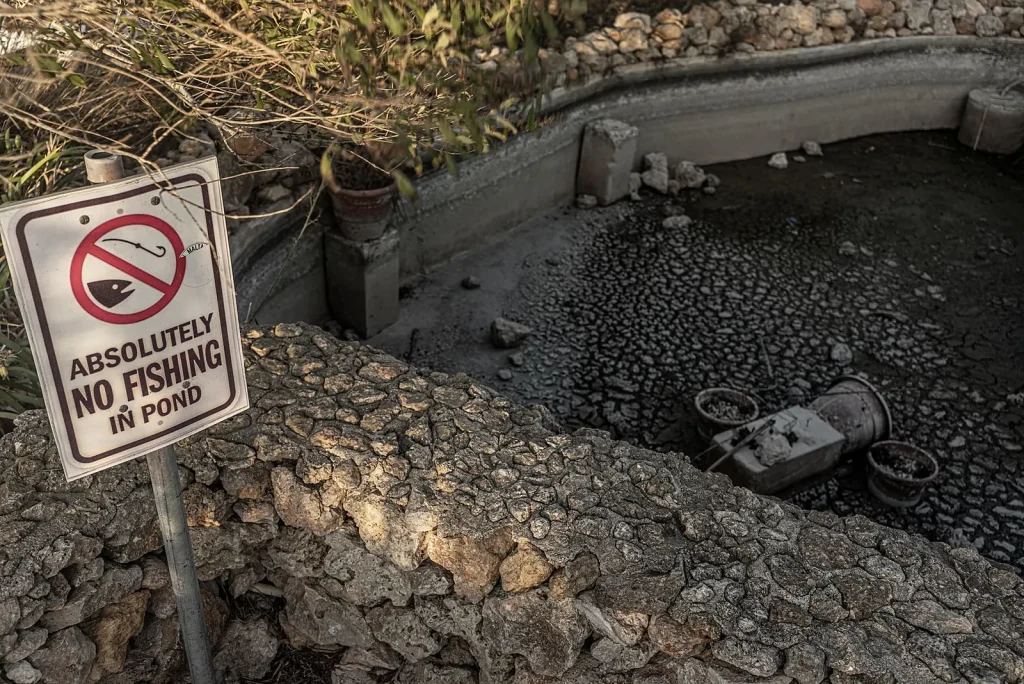
Limburg enforces surface water restrictions to manage drought, prioritizing drinking water and safety.
The Dutch province of Limburg has imposed restrictions on the use of surface water as the region grapples with ongoing drought conditions. These measures aim to address the persistent water shortages by prioritizing the availability of drinking water and ensuring public safety.
Limburg Water Restrictions
Limburg, located in the southeastern part of the Netherlands, is taking decisive action to manage its limited water resources. The recent restrictions are part of a broader strategy to mitigate the effects of the drought that has been affecting the region. Authorities have stated that the use of surface water for non-essential purposes will be limited until further notice.
The drought has significantly impacted water levels across the province, necessitating swift and effective management strategies. By restricting water use, Limburg aims to ensure that essential needs such as drinking water remain available. Public safety is also a key priority, with measures in place to prevent any potential hazards related to water scarcity.
Addressing the Drought Crisis
According to local officials, the restrictions will apply to various activities, including agriculture and industrial use, where alternative water sources are available. This approach is designed to conserve surface water for essential functions. The province is closely monitoring the situation and may adjust the restrictions based on weather patterns and water availability.
Rijkswaterstaat, the agency in charge of Dutch waterways, is collaborating with local authorities to implement these restrictions effectively. They are working to ensure that the measures are enforced uniformly across the affected areas. Public awareness campaigns are also being conducted to inform residents and businesses about the importance of water conservation during this period.
Meanwhile, the national government is also involved in supporting regional efforts to manage the drought. The rijksoverheid has been coordinating with provinces like Limburg to provide resources and guidance on sustainable water management practices. This collaboration highlights the importance of a unified approach to tackling the challenges posed by climate change.
Background
The ongoing drought in Limburg is part of a larger pattern affecting various parts of Europe. Climate experts have warned that such conditions may become more frequent due to climate change. As a result, regions like Limburg are increasingly prioritizing the development of resilient water management systems.
Historically, the Netherlands has been known for its advanced water management techniques, but the current situation shows the need for constant adaptation. The country’s extensive network of dikes, canals, and pumping stations has been instrumental in managing water levels, yet the growing intensity of weather extremes calls for further innovation.
What Happens Next
Authorities in Limburg will continue to assess the drought situation, with regular evaluations of water levels and usage patterns. They have indicated that the restrictions will remain in place until there is a significant improvement in water availability.
The province is also exploring long-term solutions to enhance its resilience to future droughts. This includes investing in new water-saving technologies and infrastructure upgrades. By doing so, Limburg aims to secure its water resources against potential future crises.
As the drought persists, the focus remains on maintaining essential services and public safety. Residents and businesses are encouraged to support these efforts by using water responsibly and adhering to the restrictions.
For more information on water management in the Netherlands, visit the Rijkswaterstaat website and the rijksoverheid website.