Amsterdam Holocaust Museum Ceremony Honors 200 Roma, Sinti Victims
A ceremony at Amsterdam's Holocaust Museum honored Roma and Sinti victims from the Netherlands, reflecting on historical injustices.

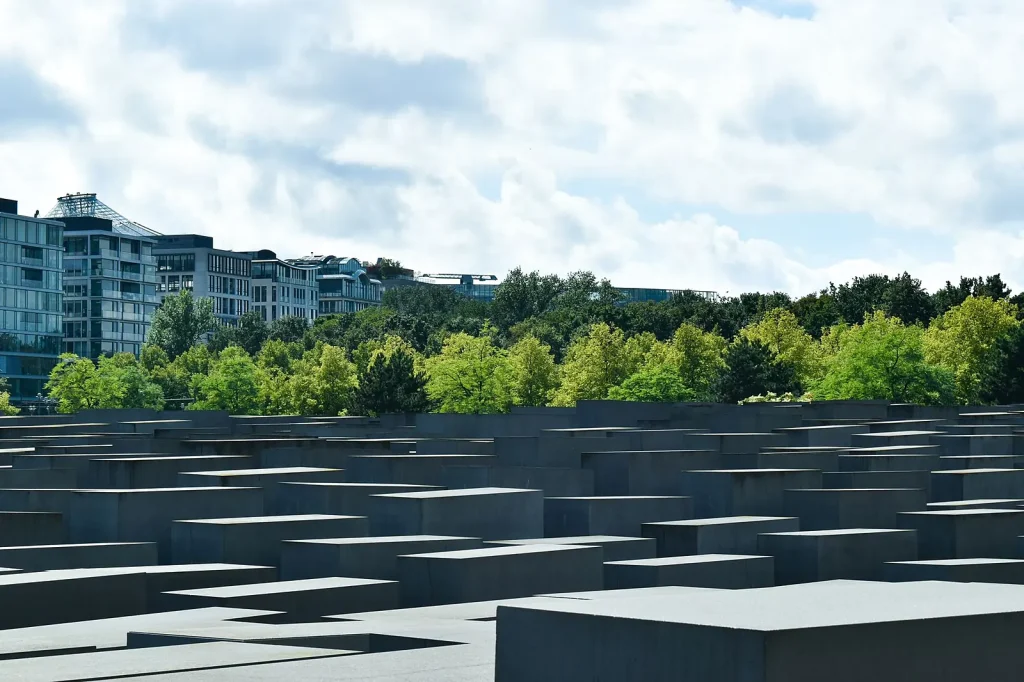
The solemn event at the National Holocaust Museum commemorates the WWII atrocities against Roma and Sinti communities.
At the National Holocaust Museum in Amsterdam, a solemn ceremony took place to honor the Roma and Sinti victims of the Holocaust. This annual event serves as a poignant reminder of the nearly 500,000 Roma and Sinti who perished during World War II, including many from the Netherlands.
The commemoration featured speeches from community leaders and historians, emphasizing the importance of remembering these marginalized communities. Attendees observed a moment of silence and participated in the laying of flowers, a symbolic gesture to honor those who lost their lives in concentration camps.
Importance of Remembrance
The ceremony at the National Holocaust Museum shows the necessity of acknowledging historical injustices. By reflecting on the atrocities faced by the Roma and Sinti, the event aims to ensure that their stories are not forgotten. According to organizers, remembering these events helps foster understanding and tolerance in society today.
Dr. J. van der Meer, a historian specializing in WWII studies, stated, “The Holocaust’s impact on Roma and Sinti communities remains a significant, yet often overlooked, chapter in history. It’s crucial that we continue to honor their memory and educate future generations.”
Historical Context
During World War II, the Roma and Sinti were targeted by the Nazi regime, suffering immense persecution and loss. In the Netherlands, many individuals from these communities were deported to concentration camps, where many perished. The ceremony in Amsterdam is part of a broader effort to recognize and remember these victims.
The event aligns with international efforts to commemorate the Holocaust’s impact on various communities. It serves as a reminder of the need for vigilance against discrimination and prejudice in all forms.
Amsterdam’s role as a host for such commemorations highlights the city’s commitment to historical awareness and education. The National Holocaust Museum is central to this, providing a space for reflection and learning.
What Happens Next?
The annual ceremony is expected to continue as a fixture in Amsterdam’s cultural calendar. Organizers hope to expand the event’s reach by engaging more with younger audiences and incorporating educational programs. This initiative aims to ensure that the history of the Roma and Sinti is preserved and shared widely.
Efforts are also underway to include more personal stories and testimonies from survivors and their descendants. By doing so, the museum aims to provide a more comprehensive understanding of the impact of the Holocaust on these communities.
As the world continues to grapple with issues of intolerance and discrimination, events like the Amsterdam Holocaust Museum ceremony serve as crucial reminders of the past. They encourage reflection and action towards a more inclusive future.
For more information on the National Holocaust Museum and its programs, visit their official website or explore resources available through educational partners.