Bonaire Coral Reef Decline Plunges to 5% Coverage
Bonaire's coral reefs are facing severe decline, highlighting the impacts of climate change.

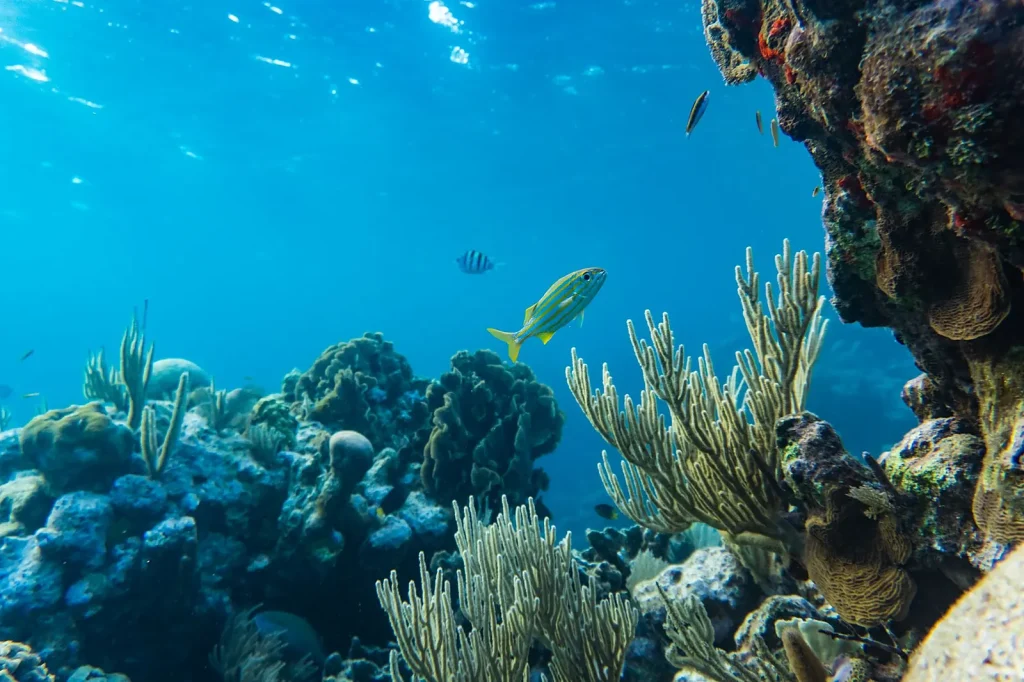
Bonaire’s coral reefs have dropped to just 5% coverage, a major environmental concern.
Bonaire’s coral reefs, once a vibrant underwater ecosystem, are now facing a critical decline. This alarming situation is attributed to rising sea temperatures and the intensifying El Niño phenomenon, according to researchers from Wageningen University.
Bonaire Coral Reef Decline
The decline of Bonaire’s coral reefs is a significant environmental concern. Coral researcher Erik Meesters from Wageningen University has noted the impact of warmer seas and diseases on coral health. The increase in sea temperatures, coupled with the effects of El Niño, has created a hostile environment for coral growth and survival.
Coral reefs are essential for marine biodiversity, providing habitat and food for a multitude of marine species. As these reefs deteriorate, the entire marine ecosystem is put at risk. The decline also affects local communities, relying on tourism and fishing, which are heavily dependent on healthy coral ecosystems.
Impact of Climate Change
The situation in Bonaire serves as a stark reminder of the broader impacts of climate change. Rising sea temperatures are not just a local problem; they reflect a global challenge. The warming seas are causing coral bleaching, where corals expel the algae living in their tissues, leading to a white appearance and eventually, coral death.
El Niño, a climate pattern that describes the unusual warming of surface waters in the Pacific Ocean, exacerbates these conditions. During El Niño events, the Caribbean experiences higher than normal sea temperatures, which can be detrimental to coral health.
Efforts to mitigate these effects include reducing local stressors such as pollution and overfishing. However, global action is needed to address the root cause: climate change. Without significant reductions in greenhouse gas emissions, coral reefs worldwide, including those in Bonaire, will continue to decline.
In addition to climate change, diseases affecting corals have become more prevalent. The warmer waters create ideal conditions for pathogens, further threatening the already stressed reefs. Researchers are calling for more studies to understand these diseases and develop effective strategies to combat them.
What Happens Next?
Looking ahead, the focus must be on conservation efforts to protect what remains of Bonaire’s coral reefs. Initiatives such as marine protected areas and restoration projects are crucial. These efforts aim to create safe havens for coral and marine life, allowing ecosystems to recover and thrive.
Internationally, the call for reducing carbon emissions is louder than ever. The Paris Agreement remains a critical framework for nations to commit to limiting global warming. However, more aggressive targets and actions are needed to make a tangible difference.
Bonaire’s situation is a wake-up call for the global community. The island’s reefs are not just a local treasure but part of a global network of marine biodiversity hotspots. Protecting them is a shared responsibility, requiring concerted efforts from governments, scientists, and the public.
For more information on the efforts to combat coral decline, visit the Rijksoverheid website.