Dutch Wildfire Safety Concerns Rise, Regions Warn of Risks
Dutch safety regions warn of inadequate resources to manage multiple wildfires. Climate change heightens risks.

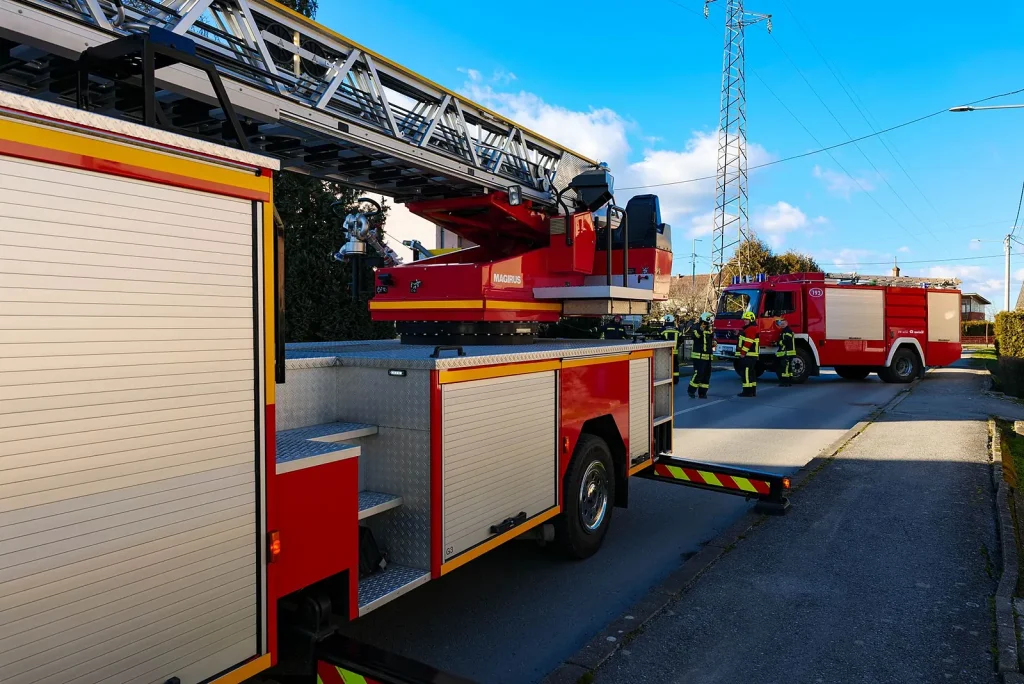
Dutch safety regions warn of inadequate resources to manage multiple wildfires as climate conditions worsen.
In 2026, Dutch wildfire safety concerns have become a pressing issue as climate change increases the risk of large-scale fires. The Veiligheidsraad, representing all Dutch safety regions, has raised alarms about the current capacity to manage multiple wildfires simultaneously. They warn of potential vulnerabilities in handling such disasters if current conditions persist.
Increased Risk of Wildfires
The likelihood of extensive fires has risen due to prolonged dry spells and higher temperatures. These climate conditions have made the Dutch landscape more susceptible to wildfires. According to Jack Mikkers, a spokesperson for the Veiligheidsraad, the existing infrastructure is inadequate for tackling these challenges. “We need more specially trained personnel and appropriate vehicles,” Mikkers stated.
The safety regions emphasize that the current equipment and firefighting resources are insufficient to handle simultaneous large-scale incidents. This situation poses a significant threat, especially in areas with challenging terrains. With climate change exacerbating these risks, the urgency for enhanced disaster preparedness has never been greater.
Calls for Enhanced Preparedness
The Veiligheidsraad’s call for action highlights the need for increased investment in firefighting capacity. This includes recruiting more personnel trained specifically for wildfire management and acquiring fire engines capable of navigating difficult landscapes. These steps are crucial to ensure a strong response to potential future incidents.
Currently, the Dutch safety regions face limitations in their ability to coordinate and respond effectively to multiple fires. The need for more resources and training is evident, as the threat of wildfires looms larger each year. The regions are urging for immediate enhancements to their firefighting capabilities to mitigate the risks posed by the changing climate.
Efforts to boost preparedness must also address the need for public awareness and community involvement. Educating residents about fire prevention and safety measures can play a vital role in reducing the impact of such disasters.
Background
The Netherlands has historically been less prone to wildfires compared to other regions. However, recent climate trends have altered this landscape. Prolonged periods of heat and drought have increased vegetation dryness, making wildfires more likely. The country must adapt to these new challenges by bolstering its disaster response strategies.
In previous years, isolated incidents have tested the readiness of Dutch safety regions. However, the current scenario demands a more comprehensive approach. The potential for multiple simultaneous fires could overwhelm existing resources, highlighting the urgent need for change.
What Happens Next?
In response to these concerns, Dutch authorities are expected to evaluate and enhance their current firefighting strategies. This may involve increased funding for training programs, acquisition of advanced firefighting equipment, and collaboration with international experts in wildfire management.
The Veiligheidsraad’s warning serves as a wake-up call for policymakers and communities alike. As climate change continues to impact the Netherlands, proactive measures are essential to safeguard lives and property. Strengthening the nation’s disaster response capabilities will be crucial in the coming years.
For more information on wildfire prevention and safety measures, visit the Rijksoverheid website or consult the Politie for guidance.