Germany Lifts Sunday Truck Ban, Dutch Travelers Face Traffic
Germany's decision to lift the Sunday truck ban in some states could lead to heavier traffic for Dutch vacationers returning home.

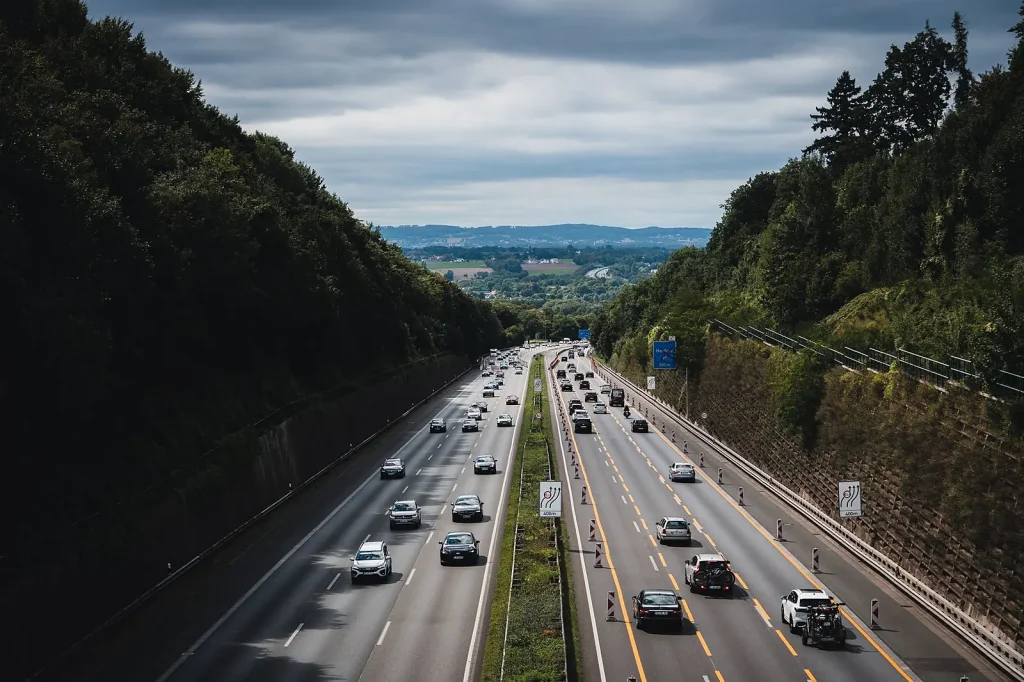
Dutch holidaymakers may face increased traffic as Germany lifts Sunday truck ban to ease supply chain issues.
Germany has temporarily lifted its Sunday truck traffic ban in several states, a move that could significantly impact Dutch holidaymakers returning home. This decision, primarily affecting regions adjacent to the Netherlands such as the German states of North Rhine-Westphalia and Lower Saxony, aims to address ongoing supply chain disruptions.
Germany Lifts Ban to Ease Supply Chain Issues
The lifting of the ban is a response to supply chain challenges that have plagued many sectors. By allowing trucks to operate on Sundays, Germany hopes to alleviate some of the logistical bottlenecks that have been exacerbated by drought conditions affecting waterway transport.
Normally, Germany enforces a ban on truck traffic on Sundays to reduce congestion and pollution. However, the current situation demands exceptions to these rules to keep goods moving efficiently across the country.
Impact on Dutch Holidaymakers
For Dutch travelers, this change could mean encountering heavier traffic on their return journeys. As school holidays in the Netherlands wind down, many families are making their way back home, leading to increased congestion on the roads. The additional truck traffic on Sundays, traditionally a day of lighter travel, could complicate these return trips.
Officials have warned of potential delays, particularly in regions close to the Dutch border. North Rhine-Westphalia and Lower Saxony are key transit routes for Dutch vacationers, and the presence of more trucks could slow down travel times significantly.
In anticipation of these challenges, travelers are advised to plan their journeys carefully. Allowing extra travel time and staying updated on traffic conditions can help mitigate some of the potential inconveniences.
Background and Context
Germany’s decision to lift the ban highlights the broader impact of climate-related challenges on supply chains. The ongoing drought has lowered water levels in major rivers, disrupting the usual flow of goods. By permitting trucks to operate on Sundays, authorities aim to compensate for these disruptions.
This policy adjustment is not rare. In the past, Germany has occasionally lifted similar bans to address specific economic or logistical needs. However, the current situation shows the increasing frequency of such interventions as climate change continues to affect traditional transport routes.
What Happens Next?
The temporary lifting of the Sunday truck ban is set to continue, with German authorities assessing the effectiveness of the measure and deciding whether further extensions are necessary.
For Dutch travelers, monitoring updates from both German and Dutch traffic authorities will be crucial. The Rijkswaterstaat, responsible for the Dutch road network, provides real-time information that can help travelers handle these changes effectively.
In the meantime, businesses and logistics firms are likely to benefit from the relaxed restrictions, which should help ease some of the supply chain pressures. However, the broader implications for European transport infrastructure remain a topic of concern as countries adapt to new environmental realities.
As summer draws to a close, the intersection of vacation travel and logistical demands presents a unique challenge for both travelers and policymakers. The coming weeks will test the resilience and adaptability of the region’s transport networks.