Dutch Fast Food Growth Soars to Over 19,000 Outlets
The number of fast food outlets in the Netherlands has increased significantly, highlighting shifts in consumer habits.

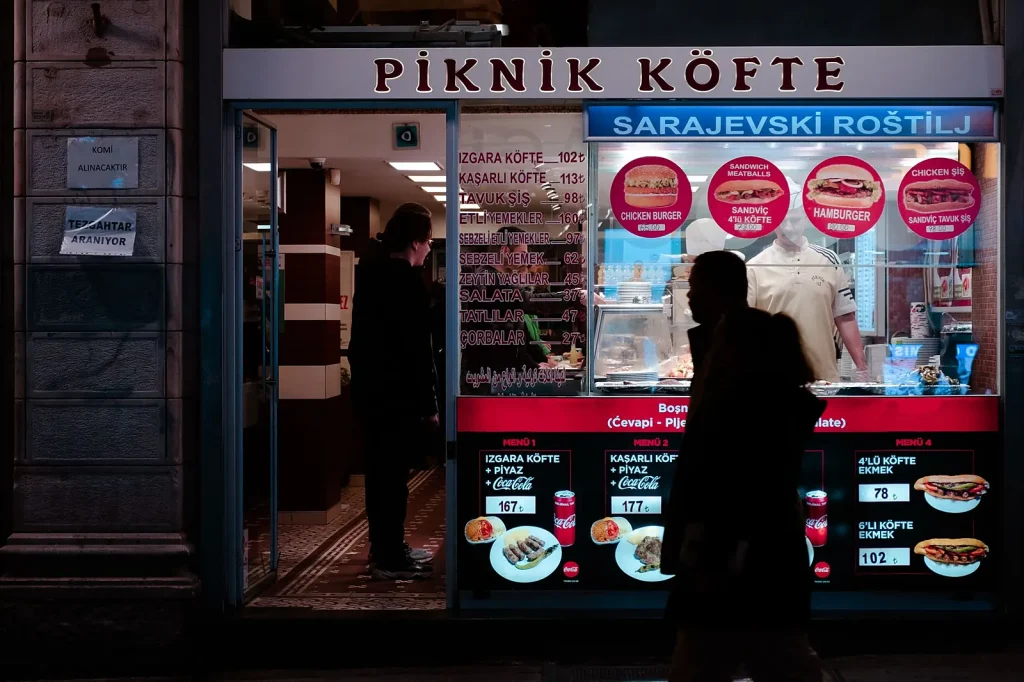
Fast food outlets in the Netherlands have nearly doubled in 20 years, reflecting changing consumer habits.
The number of fast food outlets in the Netherlands has increased significantly over the past two decades. This dramatic increase highlights shifts in Dutch consumer habits and urban development, as reported by the Central Bureau of Statistics (CBS).
Changing Consumer Habits
The growth of fast food outlets is part of a broader shift in consumer spending patterns. More people in the Netherlands are opting for convenience, choosing to dine out or take away rather than cook at home. Fast food establishments, including cafeterias, sandwich shops, and well-known chains, now account for more than half of the dining options available.
According to CBS, this trend reflects the rising disposable income among the Dutch population. As spending power increases, so does the frequency of dining out. “The convenience and affordability of fast food have made it a popular choice among Dutch consumers,” a CBS spokesperson confirmed.
Urban Development and Lifestyle Changes
The proliferation of fast food outlets is not just about changing diets; it also mirrors urban development trends. As cities expand and populations grow, the demand for quick and accessible dining options has risen. Fast food outlets have become a staple in urban landscapes, catering to busy lifestyles.
This transformation is evident in major cities like Amsterdam and Rotterdam, where fast food locations are easily found on almost every corner. The convenience factor matters, especially for working professionals and students seeking quick meal solutions.
the influence of international fast food brands has contributed to this growth. Global chains continue to establish a strong presence in the Netherlands, adapting their menus to local tastes while maintaining their core offerings.
Impact on Health and Society
While the growth of fast food outlets offers convenience, it also raises concerns about public health. Nutritionists warn about the potential health implications of frequent fast food consumption, such as obesity and related diseases. However, many outlets are now offering healthier options to cater to health-conscious customers.
The increased prevalence of fast food has also sparked discussions about the cultural impact on traditional Dutch cuisine. Some argue that the fast food trend may overshadow traditional dining practices, while others see it as a natural evolution of a globalized society.
What Happens Next?
Looking ahead, the fast food sector is expected to continue evolving. With technological advancements, such as online ordering and delivery services, accessibility will likely improve further. Fast food businesses may also focus more on sustainability and healthier menu options to meet changing consumer demands.
the dramatic increase in fast food outlets in the Netherlands reflects significant shifts in consumer habits and urban development. As the sector continues to grow, it will be essential to balance convenience with health and cultural preservation.
For more information on Dutch consumer trends, visit the Central Bureau of Statistics and explore government insights on urban development.