Rotterdam Water Management Criticised Amid National Shortages
Excess freshwater in Rotterdam is flowing into the sea, raising concerns about water management amid national shortages.

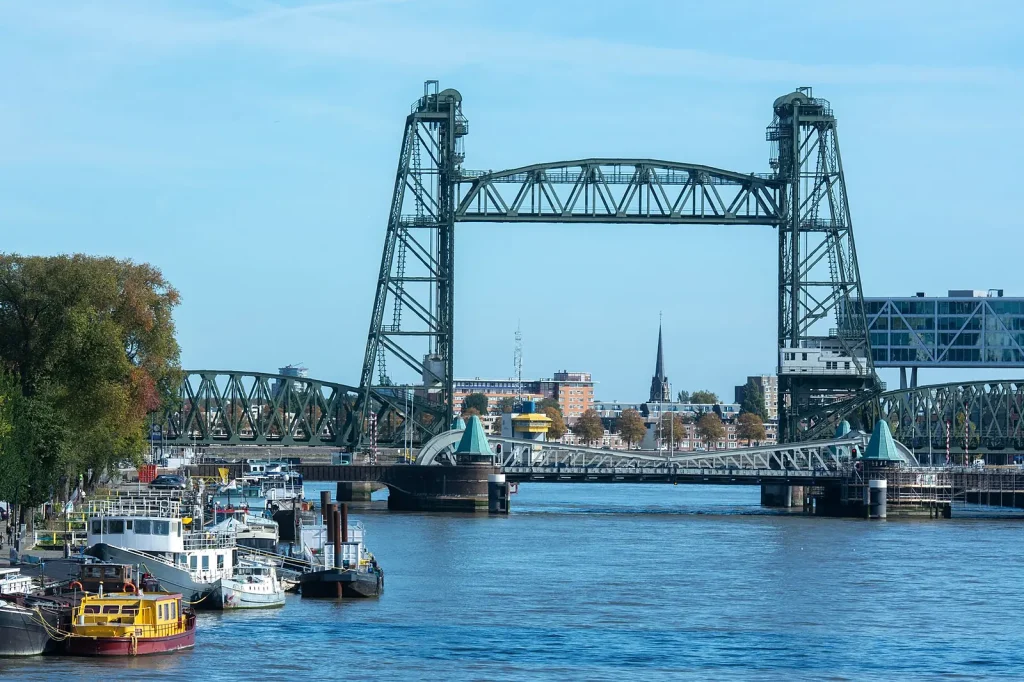
Excess freshwater discharged into the sea highlights urgent need for better water management.
Rotterdam, a major port city in the Netherlands, is facing scrutiny over its water management practices. The city is discharging excess freshwater into the North Sea, a decision that has raised eyebrows amid national water shortages. This situation highlights the need for a more efficient approach to managing water resources in a country that regularly battles both floods and droughts.
The current infrastructure in Rotterdam is struggling to retain valuable freshwater. Instead of conserving this resource, the excess is being let go into the sea. This has prompted calls for urgent improvements in water management systems. The inefficiencies are not just a local issue but reflect broader challenges that the Netherlands faces in balancing water abundance and scarcity.
Concerns Over National Water Shortages
As the Netherlands grapples with water shortages, the discharge of freshwater in Rotterdam has become a focal point for critics. The country is known for its complex water management systems, designed to protect against flooding while ensuring a steady supply of water. However, the current situation in Rotterdam shows that these systems are not foolproof.
Environmental experts and local authorities have expressed concern over the long-term implications of these practices. In response to these concerns, there have been calls for a national debate on water management policies. This debate would focus on creating sustainable strategies that can adapt to changing climate conditions and growing urban populations.
Urgency for Infrastructure Improvements
The urgency to improve water management infrastructure in Rotterdam cannot be overstated. Experts argue that investing in advanced technologies and better infrastructure will help retain freshwater, reduce wastage, and ensure a more reliable supply during dry periods. This is particularly important as climate change continues to alter rainfall patterns, leading to unpredictable water availability.
Several proposals have been put forward to address the issue. These include upgrading existing water retention systems, implementing new technologies for efficient water use, and enhancing collaboration between various governmental and environmental bodies. The goal is to create a more resilient system that can handle both the surplus and scarcity of water.
The situation in Rotterdam serves as a wake-up call for the entire nation. It shows the importance of proactive measures and long-term planning to safeguard water resources for future generations.
Background
The Netherlands has a rich history of water management, with its iconic dikes and canals playing a crucial role in shaping the landscape. However, modern challenges require innovative solutions. As urban areas expand and climate change impacts become more pronounced, the traditional methods of water management are proving inadequate.
Rotterdam, due to its strategic location and industrial significance, is often at the forefront of these discussions. The city’s water management decisions can have a ripple effect across the region, influencing policies and practices nationwide.
What Happens Next?
The Dutch government is under pressure to take decisive action. Policymakers are expected to review existing water management frameworks and explore new approaches that can effectively tackle both current and future challenges. Collaboration with international experts and neighboring countries may also provide valuable insights and solutions.
As the conversation continues, the focus will be on finding a balance between technological advancements and sustainable practices. The aim is to create a strong system that not only addresses immediate concerns but also secures water resources for the long haul.
The situation in Rotterdam is a reminder of the complex relationship the Netherlands has with water, and the ongoing efforts required to manage this vital resource effectively.