Dutch Cabinet Urges Talks on Flexible Majorities with Parties
The Dutch cabinet is considering flexible majorities, engaging with Christian Union and 50Plus to move beyond traditional political divisions.

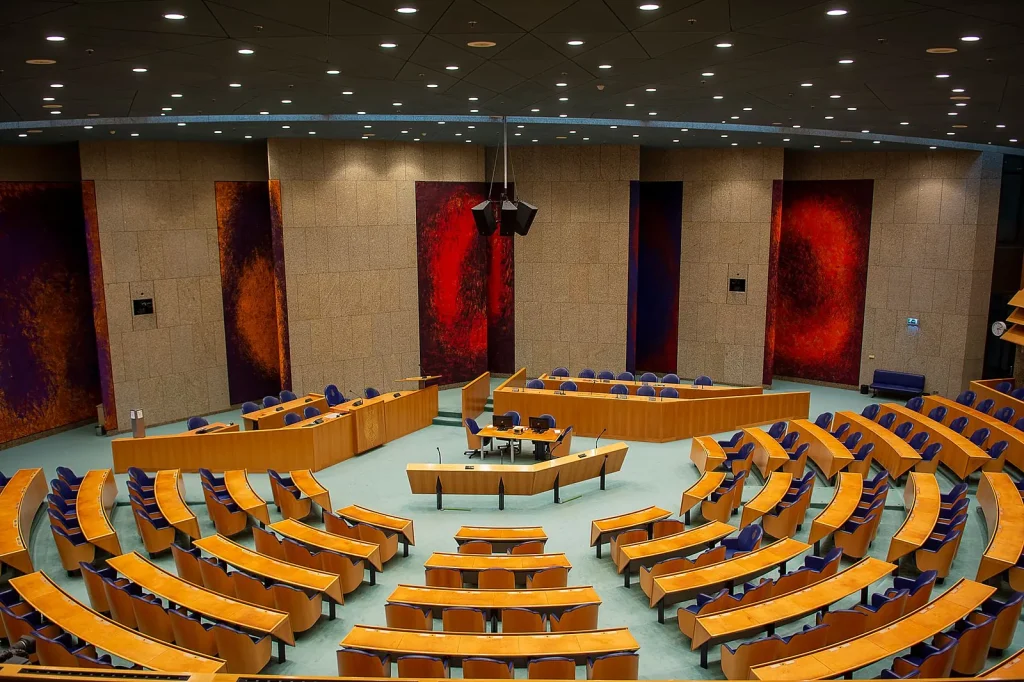
Minority cabinet explores new governance strategy with Christian Union and 50Plus to transcend traditional partisan lines.
The Dutch cabinet is considering a new approach to governance by exploring flexible majorities. This initiative, discussed with the Christian Union and 50Plus parties, marks a potential shift from the conventional left-right political spectrum. The talks aim to create a more dynamic and cooperative political landscape.
Flexible Majorities: A New Path
In recent discussions, the minority cabinet engaged with Christian Union and 50Plus to explore a governance model that evaluates legislative proposals on their individual merits. This approach seeks to prioritize practical solutions over ideological constraints.
The parties believe that flexible majorities could facilitate more nuanced decision-making, allowing for a broader range of support for individual proposals.
Implications for Dutch Politics
This strategy could significantly impact the Dutch political landscape. By moving away from rigid coalition agreements, the cabinet hopes to foster a more inclusive and adaptable governance model. This could lead to increased cooperation between parties, encouraging them to focus on common goals rather than entrenched positions.
The potential for flexible majorities presents an opportunity to address complex issues more effectively. By engaging with a broader spectrum of political voices, the cabinet aims to craft policies that better reflect the diverse interests of the Dutch population.
Background
The concept of flexible majorities is not entirely new, but its adoption at this scale could represent a significant departure from past practices. Historically, Dutch cabinets have relied on stable coalitions formed along clear ideological lines. This shift could encourage more frequent collaboration across party boundaries, fostering a more dynamic legislative process.
50Plus and Christian Union’s involvement highlights their strategic roles in this evolving landscape. By supporting flexible majorities, these parties position themselves as key players in shaping future policies, potentially influencing a wide range of legislative outcomes.
What Happens Next?
As discussions continue, the cabinet will need to handle potential challenges. Building consensus for flexible majorities may require careful negotiation and compromise. However, the potential benefits of more responsive and inclusive governance could outweigh these challenges.
The success of this initiative will depend on the willingness of various parties to embrace a new way of working. If successful, it could set a precedent for other countries grappling with similar political divisions.
The Dutch cabinet’s exploration of flexible majorities signifies a bold step towards modernizing governance. By prioritizing content over political alignment, the cabinet hopes to address pressing issues more effectively, ultimately benefiting the Dutch public.