Dutch Educational Reforms Integrate Language Skills Across Subjects
Dutch educational reforms aim to integrate language skills across subjects, enhancing student competencies for modern demands.

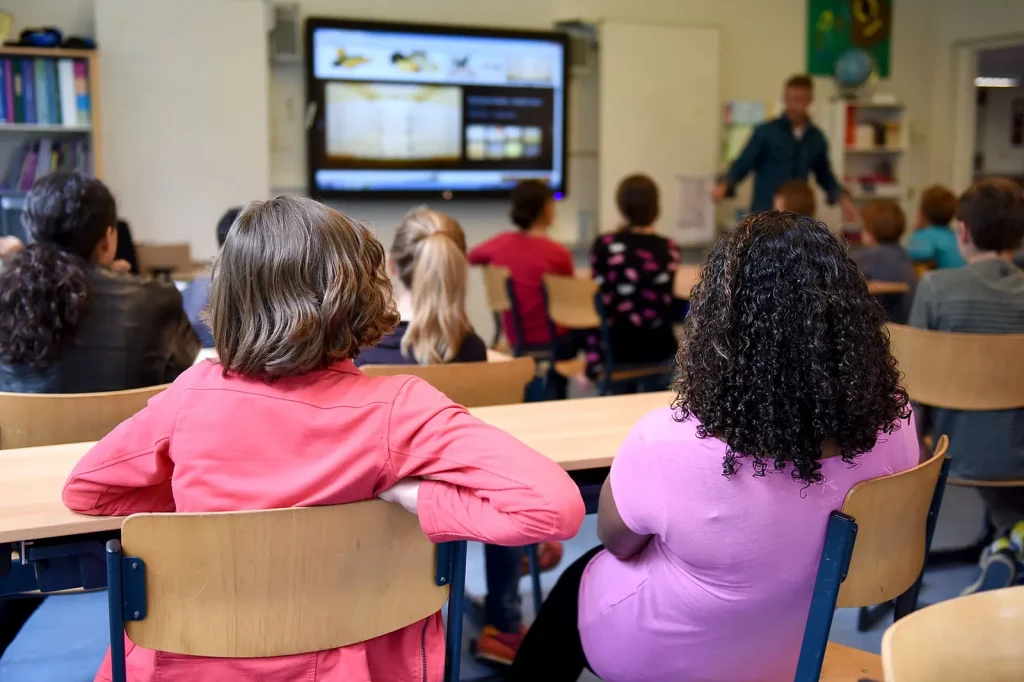
New targets integrate language skills across subjects to enhance student competencies.
The Dutch education system is undergoing significant changes with the introduction of new educational targets. These reforms aim to equip students with broader skill sets by integrating language skills across various subjects, including traditionally quantitative areas like mathematics.
Broadening Student Competencies
The new educational objectives reflect a shift in priorities. By incorporating language skills into subjects such as mathematics and science, the reforms aim to enhance overall student competencies. This approach prepares students more effectively for the demands of modern society, where multidisciplinary skills are increasingly valued.
Teachers are encouraged to integrate language development into their lessons. This initiative is seen as essential for fostering versatile skills in students. The reforms have already sparked discussions among educators as they prepare to adjust their curricula to meet these new expectations.
What this means for people living in the Netherlands
The reforms will affect students across all levels of education in the Netherlands. Parents and educators should expect changes in teaching methods, with a greater emphasis on language skills in subjects like mathematics and science. For more information on how these changes might affect specific schools or regions, visit the Rijksoverheid website. Teachers may also need additional training to adapt to these new methods, which could involve workshops or courses provided by educational authorities.
Background
The decision to implement these reforms follows a growing recognition of the importance of language skills in a rapidly changing world. By enhancing students’ ability to communicate effectively, the Dutch education system aims to produce graduates who are well-prepared for a globalized job market.
Educational experts have long advocated for the integration of language skills across subjects. This approach is not only about improving communication but also about developing critical thinking and problem-solving abilities. These skills are crucial for success in various fields, from science and technology to arts and humanities.
What happens next?
As the new school year approaches, educational institutions across the Netherlands will begin implementing these changes. Teachers will receive guidance and support to incorporate language skills into their curricula. This may involve adjusting lesson plans and exploring new teaching materials that emphasize language development.
Parents and students can expect to see these changes reflected in classroom activities and assessments. The emphasis on language skills aims to create a more engaging and comprehensive learning environment, ultimately benefiting students as they prepare for the future.
For ongoing updates and resources, educators and parents can follow developments through the official government portal and local educational authorities.