Dutch Ports Strike Halts Operations Over Social Security Cuts
A strike at Dutch ports in Amsterdam and Rotterdam disrupts operations today, as workers protest government cuts to social security benefits.

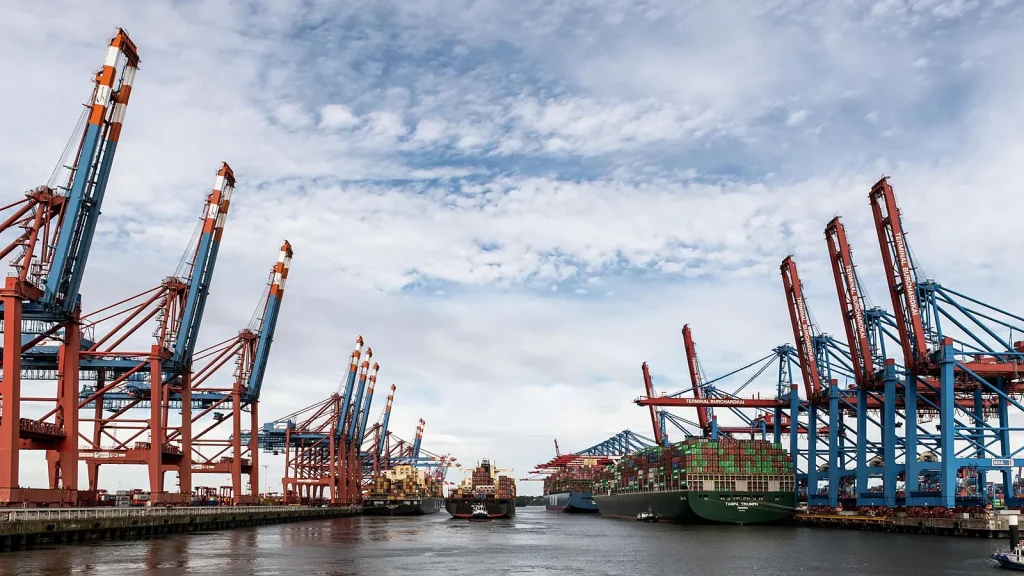
Workers in Amsterdam and Rotterdam halt operations to protest government cuts.
Today, the major Dutch ports of Amsterdam and Rotterdam are experiencing significant disruptions due to a strike organized by FNV Havens, the union representing port workers. The strike, which runs from 11:15 to 19:00, aims to protest against proposed government cuts to social security benefits. This labor action shows growing tensions between labor groups and government policy.
Why the Strike is Happening
The strike is a direct response to the Dutch government’s plans to reduce social security benefits. FNV Havens argues that these cutbacks threaten the welfare and rights of workers. The union is demanding that the government reconsider these financial measures, which they see as detrimental to the livelihoods of those working in the ports.
FNV Havens has been vocal about the potential negative impacts of these cuts. “The proposed reductions in social security are unacceptable,” said a spokesperson for the union. “We are calling on the government to protect the rights and welfare of workers.”
Impact on Port Operations
During the strike hours, all port activities, including the loading and unloading of ships, have been halted. Additionally, no vessels will be docked or maneuvered. This interruption is expected to affect both national and international trade, as the ports of Amsterdam and Rotterdam are crucial hubs for goods movement in Europe.
The disruption is likely to have a ripple effect on supply chains, potentially causing delays in the delivery of goods. Businesses relying on these ports for importing and exporting goods may face challenges in maintaining their schedules.
What this means for people living in the Netherlands
For those living in the Netherlands, the strike highlights the broader issue of labor rights and government policy. Residents may experience delays in the availability of imported goods. Businesses dependent on timely deliveries through these ports should prepare for potential disruptions.
Individuals concerned about the strike and its implications can follow updates from FNV Havens and the rijksoverheid on their official websites. Additionally, those affected by potential delays in goods should contact suppliers to discuss contingency plans.
Background and Broader Context
The strike is part of a larger movement by labor unions in the Netherlands to push back against austerity measures. Over recent years, workers across various sectors have expressed discontent with policies perceived to undermine social welfare. This action by port workers is a continuation of that trend.
The Dutch government has defended its stance, stating that the proposed cuts are necessary for economic stability. However, unions like FNV Havens argue that such measures disproportionately affect lower-income workers.
What Happens Next
The outcome of this strike could influence future negotiations between labor groups and the government. If the strike gains significant support, it may pressure the government to revisit its policy decisions.
Observers will be watching closely to see if the government engages in dialogue with FNV Havens or if further strikes are planned. The situation remains fluid, with potential implications for labor relations and policy-making in the Netherlands.
For more information on the strike and its developments, visit the rijksoverheid and FNV Havens websites.