Dutch Government Faces Criticism Over Recycling Interference
The Dutch government's intervention in recycling initiatives has drawn criticism, affecting sustainability goals.

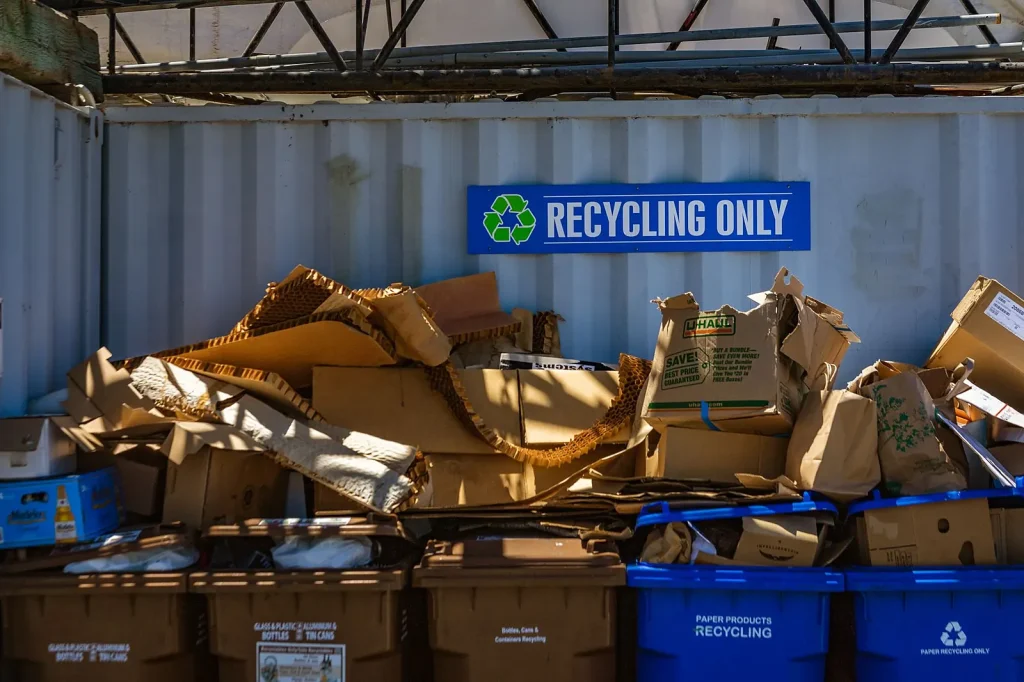
Interference in recycling efforts sparks criticism from the Inspectie Leefomgeving en Transport.
The Dutch government is under scrutiny for its interference in recycling initiatives that are vital for achieving sustainability goals. The Inspectie Leefomgeving en Transport (ILT), responsible for enforcing deposit laws, has criticized the Ministry of Infrastructure and Water Management for its repeated interventions. This interference has weakened the effectiveness of deposit-return schemes, resulting in substantial financial losses and unmet recycling targets.
Impact on Recycling Initiatives
The ILT has been tasked with overseeing the implementation of deposit-return schemes, which are designed to encourage recycling by offering refunds for returned bottles and cans. However, political interventions have undermined these efforts. Since 2021, approximately 270 million euros in deposits have not been refunded, highlighting a significant shortfall in the system’s effectiveness.
Despite regulations mandating a 90% collection rate for recycled bottles and cans, this target has not been achieved consistently. The Ministry’s intervention has been seen as a barrier to the ILT’s ability to enforce these laws effectively. The resulting inefficiencies have not only financial implications but also environmental ones, as recycling rates fall short of national sustainability goals.
Calls for Legislative Change
In response to these challenges, there is a push for new legislation aimed at protecting the independence of regulatory bodies like the ILT. Such laws are considered crucial for ensuring effective oversight and enforcement of environmental regulations. The proposed legislative changes would enhance the ILT’s ability to operate without political interference, thereby improving the effectiveness of recycling initiatives.
Critics of the current system argue that regulatory bodies must be free from governmental influence to implement and enforce environmental policies successfully. This independence is seen as vital for the Netherlands to meet its sustainability targets and enhance its recycling rates.
What this means for people living in the Netherlands
For residents of the Netherlands, the ongoing debate has practical implications. The effectiveness of recycling programs directly affects the environment and local communities. Individuals can contribute by ensuring they participate in deposit-return schemes and stay informed about changes to recycling policies.
For those who wish to engage further, the rijksoverheid.nl website provides updates on the legislative process and opportunities for public input. Additionally, residents can check with local municipalities for specific recycling guidelines and initiatives.
Background
Deposit-return schemes were introduced to reduce waste and promote recycling. These programs offer a small financial incentive to encourage the return of bottles and cans. The Netherlands has been a leader in such initiatives, but recent government interventions have brought challenges to their success.
The ILT’s criticism highlights the tension between governmental oversight and environmental advocacy. The agency’s role in enforcing deposit laws is crucial for maintaining high recycling rates, which are essential for the country’s environmental goals.
What happens next
As the Dutch government considers new legislation to protect regulatory independence, the outcome could significantly impact the future of recycling in the Netherlands. The proposed laws aim to enhance the ILT’s ability to enforce deposit-return schemes effectively. If passed, these changes could lead to improved recycling rates and better alignment with national sustainability targets.
For now, the debate continues, with environmental groups and policymakers closely watching the developments. The success of these efforts will depend on the government’s willingness to support regulatory bodies and prioritize environmental sustainability.
For more information, residents can visit the official Rijksoverheid website and follow updates from the ILT.