WIA Reform Talks: Klaver Opposes Budget Cuts in Negotiations
WIA reform negotiations continue as Pro, a political party in the Netherlands, insists on excluding budget cuts, impacting beneficiaries.

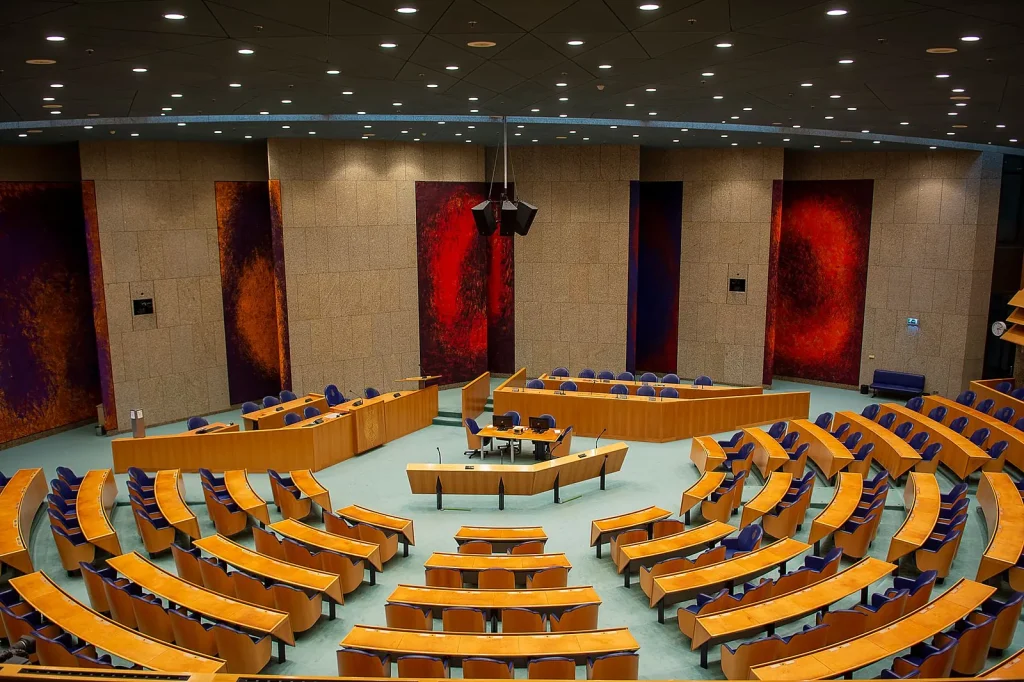
Pro leader Jesse Klaver opposes budget cuts in WIA reform talks, affecting 600,000 beneficiaries.
Pro, a political party in the Netherlands, has shown a willingness to engage in discussions about reforming the WIA, the country’s disability insurance system. However, party leader Jesse Klaver has made it clear that these negotiations must not involve any budget cuts. Speaking at a gathering in Utrecht, Klaver emphasized Pro’s commitment to maintaining and strengthening the welfare state.
The WIA, or Wet werk en inkomen naar arbeidsvermogen, is a critical component of the Dutch social security system. It provides financial support to individuals who are unable to work due to disability. Currently, around 600,000 people receive WIA benefits, with an additional 90,000 entering the system each year. This highlights the importance of the ongoing discussions, as any changes could significantly impact a large segment of the population.
Klaver’s Stand on Welfare
During his speech in Utrecht, Klaver stressed the importance of reducing inequality and maintaining the welfare state. “Our party was founded to fight inequality, and we will not support any reforms that undermine our social safety nets,” he stated. Klaver also warned coalition partners, including the political parties D66, VVD, and CDA, that Pro would vote against the Social Affairs budget if their concerns are not addressed.
The government’s proposal to introduce budget cuts amidst rising demand and a shortage of medical examiners has been met with resistance from both Pro and various unions. The shortage of examiners poses a challenge for the timely evaluation of claims, further complicating the reform process.
What this means for people living in the Netherlands
The outcome of these negotiations is crucial for many Dutch citizens. The WIA benefits provide essential support to those unable to work due to disability. Any budget cuts could lead to reduced benefits or stricter eligibility criteria, affecting the livelihood of beneficiaries. For those currently receiving WIA benefits, it is important to stay informed about the progress of these negotiations. The government has not yet provided a timeline for the proposed reforms, but updates can be found on the rijksoverheid website.
Additionally, those who are newly applying for WIA benefits should be aware of potential changes in the application process due to the shortage of medical examiners. It may be beneficial to seek advice from social workers or legal advisors well-versed in social security matters.
Background on the WIA System
The WIA was introduced to replace the previous WAO system, aiming to provide a more sustainable and equitable solution for those unable to work due to health issues. It has been a cornerstone of the Dutch welfare state, offering financial assistance and support for reintegration into the workforce.
However, the system faces challenges due to increasing demand and financial pressures. The government aims to balance the budget while ensuring the sustainability of the system. This has led to proposals for budget cuts, which have sparked debates among political parties and social organizations.
What happens next?
The negotiations are set to continue, with Pro holding firm on its stance against budget cuts. The coalition parties will need to address these concerns to reach a consensus. Meanwhile, unions and advocacy groups are expected to continue their campaigns to protect the rights of those affected by the proposed changes.
For further updates on the negotiations and potential impacts on the WIA system, interested parties can follow the discussions via official government channels and reputable news outlets. The outcome of these talks will be key in shaping the future of disability benefits in the Netherlands.