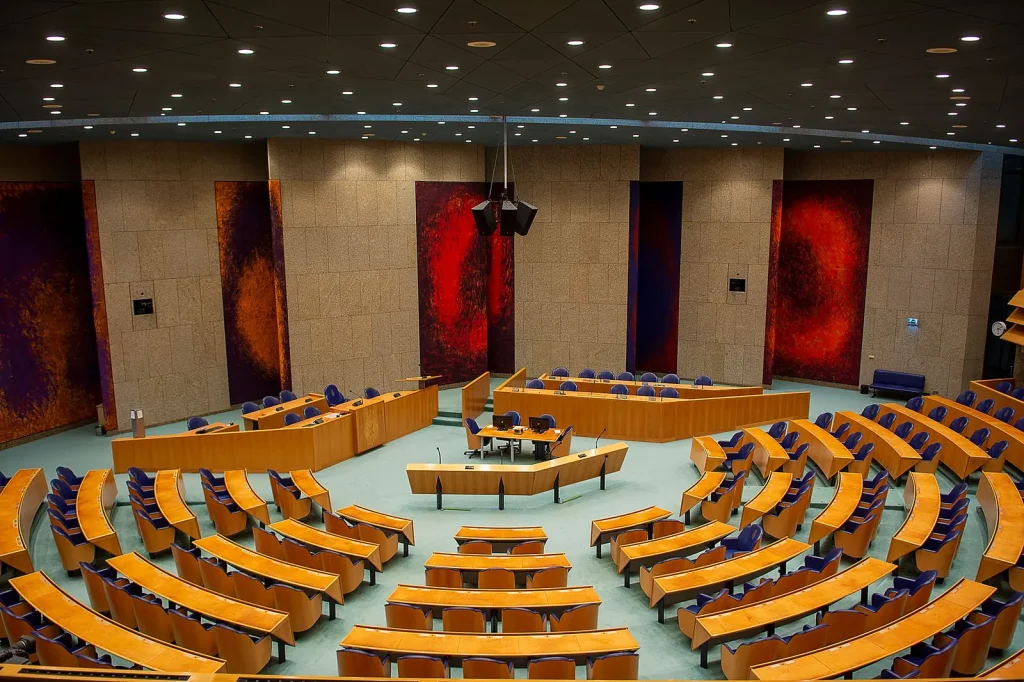
Dutch Push to Revisit EU Ban on Pulsvissen Fishing Method
Dutch support for pulsvissen grows as Staatssecretaris Vivianne Heijnen seeks EU backing to revisit the 2019 ban on the sustainable fishing method.

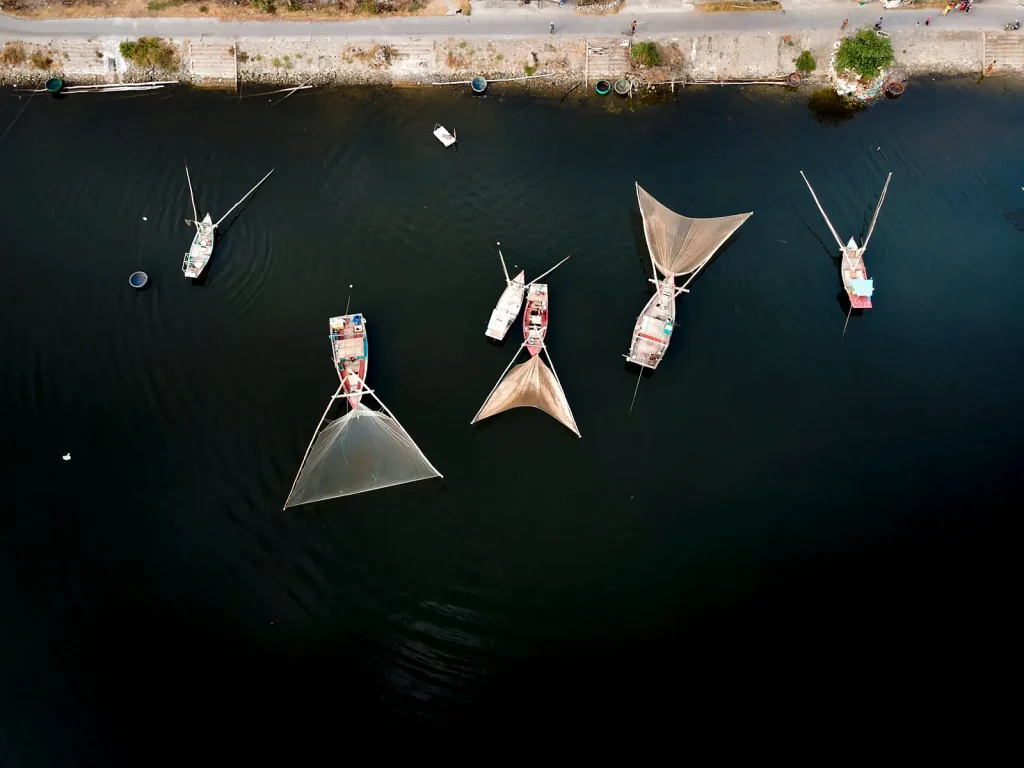
The Netherlands seeks to reintroduce pulsvissen, a sustainable fishing method, in the EU.
The Netherlands is actively pursuing the reintroduction of pulsvissen, an innovative and sustainable fishing method, within the European Union. Staatssecretaris Vivianne Heijnen is leading the charge to gain support from EU member states, aiming to revisit the 2019 ban that significantly impacted Dutch fishermen.
The 2019 Ban and Its Impact
Pulsvissen, which uses electrical pulses to catch fish, was banned by the EU in 2019. This decision was a major blow to the Dutch fishing industry, where the method had been widely adopted for its environmental benefits and reduced fuel consumption. Traditional fishing methods often lead to greater ecological disruption and higher operational costs.
The ban was primarily due to concerns over the long-term impact of pulsvissen on marine ecosystems. However, many in the Dutch fishing community argue that these concerns were not sufficiently substantiated. The Netherlands is now advocating for renewed trials to demonstrate pulsvissen’s viability and minimal ecological impact.
Staatssecretaris Erkens’ Initiative
Staatssecretaris Vivianne Heijnen is spearheading efforts to bring pulsvissen back into the EU’s agenda. By engaging with other EU member states, Heijnen hopes to secure the necessary backing for new trials. These trials aim to provide strong data on the method’s safety and efficiency, potentially paving the way for its reinstatement.
Reintroducing pulsvissen not only promises environmental benefits but also economic relief for Dutch fishermen who have faced increased costs since the ban. Lower fuel usage and reduced ecological damage are key advantages that Heijnen plans to highlight in discussions with EU counterparts.
What This Means for People Living in the Netherlands
For residents of the Netherlands, the potential reinstatement of pulsvissen could mean a revival of the fishing industry, which is central to the national economy. It would also align with broader environmental goals by promoting sustainable fishing practices. If successful, the trials could lead to more affordable seafood and a reduction in the carbon footprint of the industry.
Individuals interested in supporting or learning more about the initiative can follow updates from the rijksoverheid. For those in the fishing industry, staying informed about potential changes and participating in public consultations could be beneficial.
Background on Pulsvissen
Pulsvissen involves sending electrical pulses through the water, which temporarily stuns fish, making them easier to capture. This method is particularly effective in the North Sea, where Dutch fishermen operate. It reduces bycatch and minimizes damage to the seabed, offering a more sustainable approach than traditional trawling.
Despite its advantages, pulsvissen has faced criticism from environmental groups and some EU countries, leading to its initial ban. However, ongoing research and technological advancements may address previous concerns, providing a renewed case for its use.
What Happens Next?
The Netherlands will continue to engage with EU member states to build support for new trials. The outcome of these discussions could significantly influence the future of pulsvissen in Europe. If successful, it could lead to policy changes and a broader acceptance of sustainable fishing practices across the EU.
For more detailed information on the policy discussions and potential implications, interested parties can visit the European Union’s official website.