Amsterdam bans wide-tyre fatbikes from Vondelpark
The Amsterdam fatbike ban in Vondelpark targets bikes with tires over 7 cm to reduce congestion and improve safety.

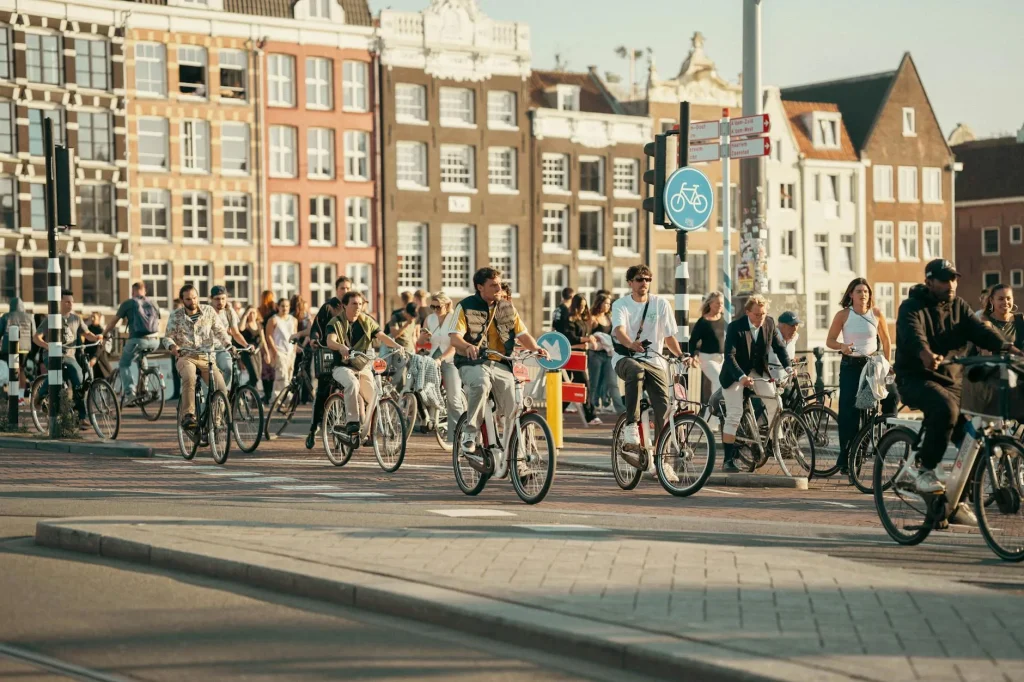
Vondelpark enforces a ban on fatbikes to manage congestion and enhance public safety.
The Amsterdam fatbike ban in Vondelpark is now in effect, targeting bicycles with tires wider than 7 centimeters. This decision aims to address the increasing congestion and safety concerns in one of the city’s most popular parks. The ban marks Vondelpark as the first location to enforce such a rule, with potential expansion to other areas under consideration.
Reasons Behind the Ban
Amsterdam, known for its cycling culture, has faced challenges with the growing popularity of fatbikes. These bikes, often equipped with electric assistance and wide tires, have been the subject of numerous complaints. Park visitors have reported issues with congestion and safety, prompting the city council to act. The decision to ban fatbikes in Vondelpark follows a city council vote aimed at reducing these problems in busy urban areas.
Initially, police will issue warnings to those who violate the ban. However, in two weeks, a fine of €115 will be imposed. This phased approach allows cyclists to adjust to the new rules. Vondelpark, a key recreational area in Amsterdam, sees thousands of visitors daily, making safety a top priority for city officials.
Impact on Park Safety
The introduction of the Amsterdam fatbike ban is expected to enhance safety and improve the overall experience for park-goers. By reducing the number of large bicycles, the city hopes to create a more harmonious environment. The regulation also reflects Amsterdam’s broader strategy to balance urban accessibility with safety.
Vondelpark’s popularity as a destination for both locals and tourists makes effective management essential. The park’s pathways are often crowded, and the presence of fatbikes has exacerbated congestion. City officials believe that by implementing this ban, they can alleviate these issues and ensure a safer space for everyone.
Potential Expansion
While Vondelpark is the first to implement the fatbike ban, other areas in Amsterdam may soon follow. The city council is considering expanding the regulation to additional busy locations if successful. This move could set a precedent for managing urban congestion and safety across the city.
Amsterdam’s approach to cycling infrastructure is often seen as a model for other cities. By addressing the challenges posed by fatbikes, the city demonstrates its commitment to maintaining a safe and accessible environment for all cyclists.
The ban also highlights the importance of adapting regulations to evolving urban landscapes. As cycling technology advances and new types of bicycles become popular, cities must find ways to integrate them safely into existing infrastructure.
What Happens Next?
The success of the Amsterdam fatbike ban in Vondelpark will be closely monitored. City officials will assess its impact on congestion and safety, using this data to inform future decisions. If the ban proves effective, it could lead to further restrictions in other parts of Amsterdam.
The city council’s proactive measures demonstrate a commitment to enhancing public spaces while accommodating the diverse needs of cyclists. As Amsterdam continues to evolve as a cycling capital, such initiatives are crucial in ensuring the safety and enjoyment of its residents and visitors.
For more information on Amsterdam’s cycling policies, visit the official city website. To learn about cycling regulations in the Netherlands, check out Rijksoverheid.