Norovirus outbreak sickens 115 on Caribbean Princess cruise
A norovirus cruise ship outbreak on the Caribbean Princess has sickened at least 115 people, prompting enhanced sanitation measures and a deep clean upon return to Florida.

A norovirus outbreak aboard the Caribbean Princess has left over 115 passengers and crew ill during a voyage from Florida to the Bahamas.
A norovirus cruise ship outbreak has struck the Caribbean Princess, with at least 115 passengers and crew members reporting symptoms including vomiting and diarrhea during a voyage between Florida and the Bahamas. Health authorities are closely monitoring the situation as the vessel continues its journey, and the cruise line has already moved to contain the spread through intensified cleaning protocols.
Norovirus is one of the most contagious gastrointestinal viruses known to medicine. It spreads rapidly through contaminated surfaces, food, water, and direct contact with infected individuals. In enclosed, high-density environments such as cruise ships, the virus can travel from person to person with alarming speed, making early detection and response essential to preventing wider infection.
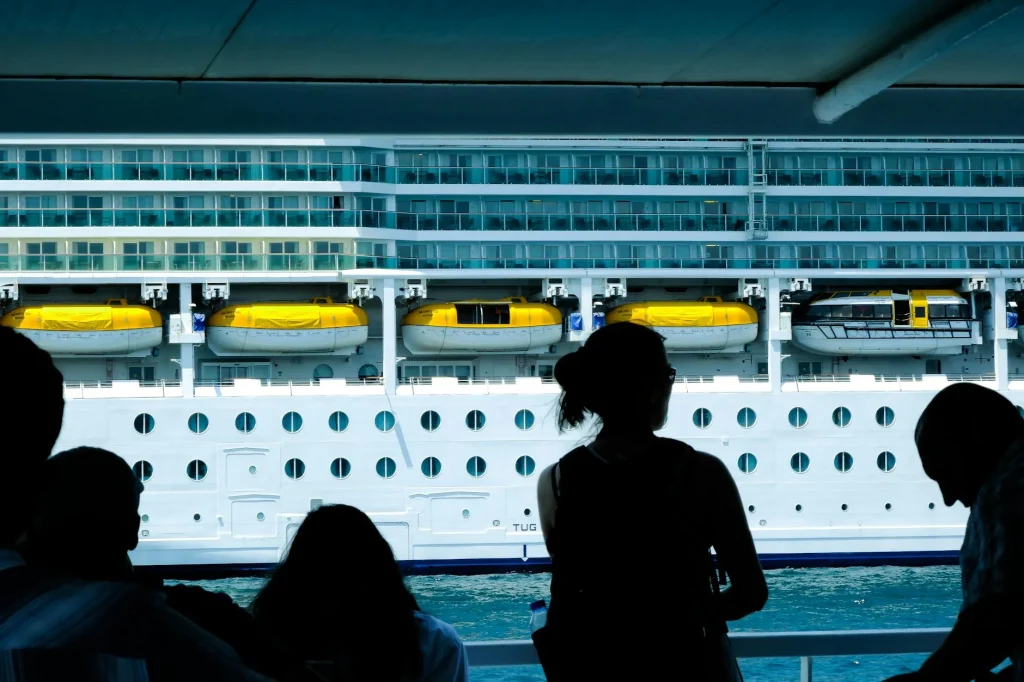
The Caribbean Princess is a large vessel operated by Princess Cruises, capable of carrying thousands of passengers and crew. With so many people sharing dining areas, restrooms, pools, and entertainment spaces, the conditions aboard any large cruise ship create significant challenges for infection control once an outbreak takes hold.
Norovirus Cruise Ship Outbreak: What We Know So Far
According to available information, the affected individuals began reporting symptoms consistent with norovirus infection during the voyage. The norovirus, sometimes referred to informally as the stomach flu, typically causes acute gastroenteritis with symptoms that include sudden onset nausea, vomiting, diarrhea, and stomach cramps. Most healthy adults recover within one to three days, though the illness can be more serious for the elderly, young children, and those with weakened immune systems.
The United States Centers for Disease Control and Prevention (CDC) has been involved in overseeing the outbreak response. The CDC routinely monitors gastrointestinal illness reports on cruise ships through its Vessel Sanitation Program, which inspects ships and tracks illness trends among passengers and crew. When the number of reported cases crosses a defined threshold, the program requires cruise operators to submit detailed outbreak reports.
In response to the confirmed cases aboard the Caribbean Princess, the cruise line introduced enhanced sanitation measures across the ship. These measures typically include more frequent disinfection of high-touch surfaces such as handrails, elevator buttons, and dining equipment, as well as additional hygiene reminders and hand sanitiser stations placed at key points throughout the vessel.
When the ship returns to its home port in Florida, a thorough and comprehensive cleaning operation is planned before the vessel is cleared to take on its next group of passengers. This kind of deep-clean protocol is standard procedure following a significant outbreak and involves specialised disinfectants designed to eliminate norovirus from surfaces throughout the ship, including cabins, kitchens, and public spaces.
Why Norovirus Spreads So Easily in Confined Spaces
Norovirus is notoriously difficult to contain, particularly in settings where large numbers of people live and eat in close proximity. The virus is resistant to many common disinfectants and can survive on surfaces for days. A person can become infected by touching a contaminated surface and then touching their mouth, by consuming contaminated food or water, or through direct contact with someone who is already ill.
What makes cruise ships particularly vulnerable is the combination of a large population in a small space, shared facilities, and a constant rotation of passengers boarding and disembarking at various ports. Even one infected individual can introduce the virus into a population with no prior immunity, triggering a chain of transmission that is difficult to break once it begins.
Health professionals recommend frequent and thorough handwashing with soap and water as the most effective personal protection against norovirus. Alcohol-based hand sanitisers are less effective against this particular virus compared to soap, making access to running water and soap aboard ships especially important during an outbreak.
For Dutch travellers planning cruises departing from or calling at ports in the Caribbean or the United States, this outbreak serves as a timely reminder of the health precautions worth taking aboard any large vessel. The Dutch government’s travel health guidance consistently advises travellers to maintain good hand hygiene and stay informed about health conditions at their destinations.
Passengers who become ill during a voyage are advised to report their symptoms immediately to the ship’s medical team, stay in their cabins where possible to avoid spreading the infection further, and stay well hydrated to manage the effects of vomiting and diarrhea. Early reporting is critical because it allows the ship’s medical staff to assess the scale of an outbreak and activate appropriate response measures quickly.
Cruise companies are required under international maritime health regulations to report outbreaks to relevant health authorities, and most major operators have detailed contingency plans in place for exactly this kind of situation. Whether those plans are sufficient to protect passengers in all cases remains a point of ongoing discussion among public health experts who study disease transmission in travel settings.
The Caribbean Princess outbreak is not the first norovirus incident aboard a cruise ship, and it is unlikely to be the last. Industry data consistently shows that cruise ships account for a disproportionate share of norovirus outbreak reports, largely because of the enclosed environment and the ease with which the virus spreads. Continued vigilance, rapid response, and thorough sanitation remain the best tools available for minimising harm when outbreaks do occur.