Amsterdam Mayor Halsema Faces Inquiry Over COVID-19 Curfews
Amsterdam Mayor Femke Halsema faces parliamentary inquiry on COVID-19 curfews and public unrest. Critical insights for future crisis management.
Published 29 June 2026 · 07:04 CET
2 min read
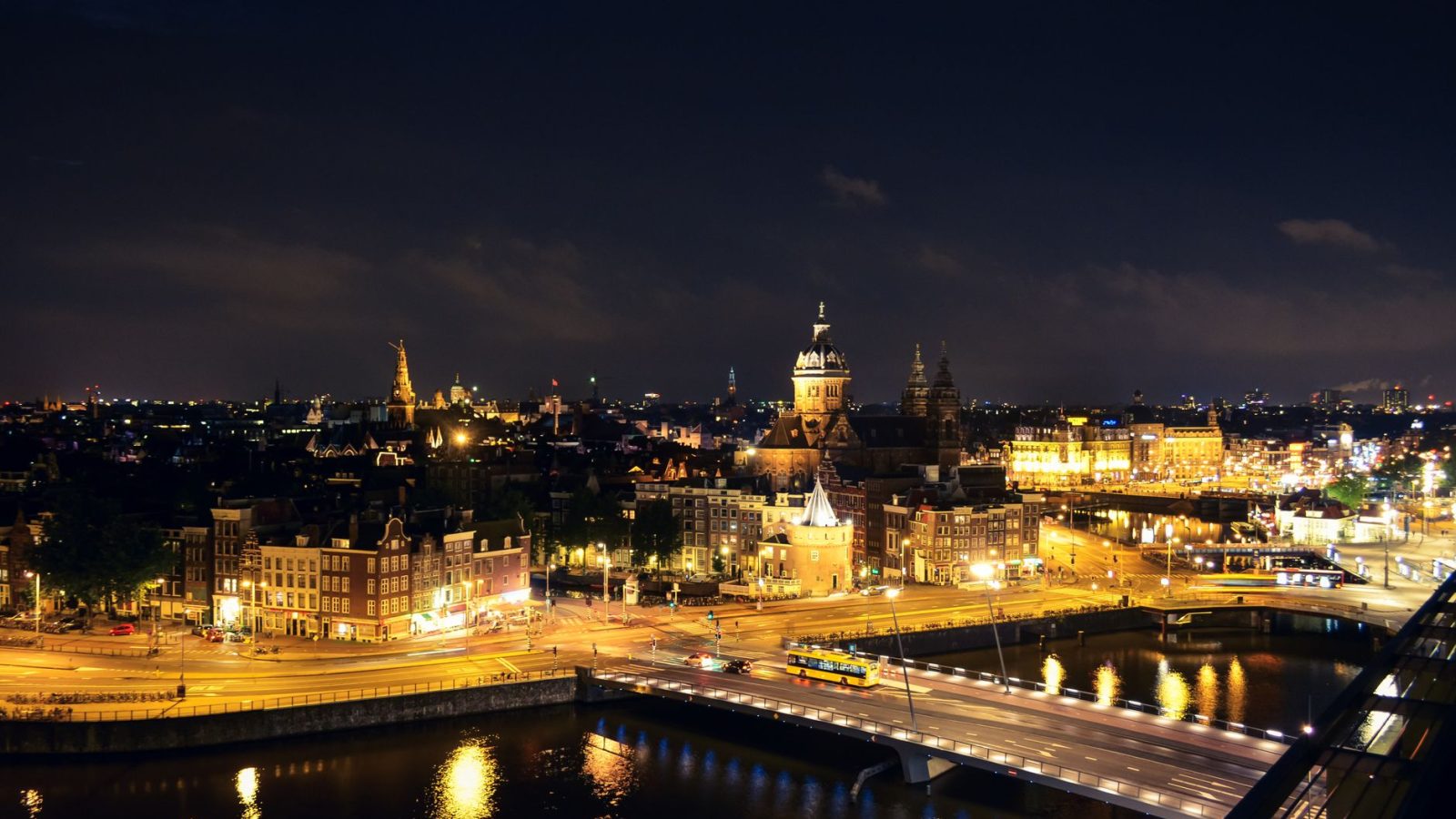
Femke Halsema questioned on pandemic decisions, including curfews and public unrest.
Amsterdam Mayor Femke Halsema is under scrutiny as a parliamentary inquiry examines her decisions during the COVID-19 pandemic. The inquiry, which also includes former national police chief Erik Akerboom, aims to shed light on the implementation of curfews and the public unrest that followed. This examination is crucial for understanding the impact of these measures and improving future crisis responses.
Focus on Curfews and Public Unrest
The inquiry’s primary focus is on curfews imposed during the pandemic. These measures were among the most controversial, leading to significant public unrest in Amsterdam and other parts of the Netherlands. The inquiry seeks to understand the rationale behind these decisions and their repercussions on society.
Halsema, who took office in 2018, faced the challenging task of balancing public health needs with civil liberties. During the pandemic, she supported the national government’s decisions, including curfews aimed at reducing virus transmission. However, these measures sparked protests and riots, highlighting the tension between safety and freedom.
Insights from Key Figures
In addition to Halsema, the inquiry includes insights from Erik Akerboom, former chief of the Dutch national police. His testimony is expected to provide a broader perspective on the enforcement challenges faced by law enforcement during the pandemic.
The inquiry is not just about examining past actions but also about learning valuable lessons. As the world continues to grapple with the aftereffects of the pandemic, understanding these decisions is vital for preparing for future crises.
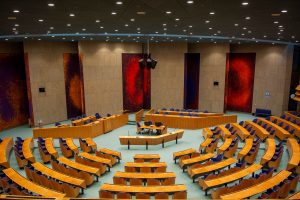
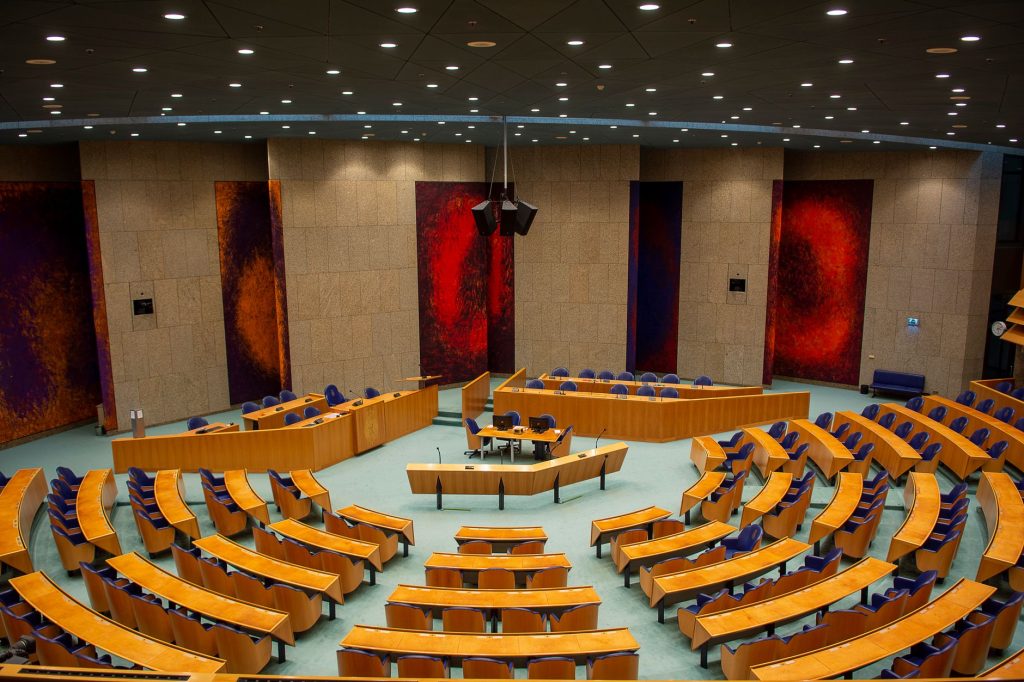
According to a statement from the Tweede Kamer, the Dutch House of Representatives, the inquiry’s findings will be used to inform policy decisions and enhance the country’s crisis management strategies.
Background
The COVID-19 pandemic tested governments worldwide, and the Netherlands was no exception. In 2020, as cases surged, the Dutch government implemented a series of restrictions, including lockdowns and curfews. These measures were met with mixed reactions, with some praising the government’s swift actions and others criticizing the restrictions on personal freedoms.
Amsterdam, as a major urban center, was at the forefront of these measures. The city’s vibrant culture and bustling streets were significantly affected, leading to economic and social challenges. The inquiry seeks to address these issues by evaluating the effectiveness and impact of the measures implemented.
What Happens Next
The inquiry’s findings are expected to be published later this year. These results will not only influence local governance in Amsterdam but may also impact national policies. For Mayor Halsema, this inquiry is an opportunity to clarify her stance and decisions during one of the city’s most challenging periods.
The outcomes could lead to changes in how future health crises are managed, particularly in balancing public safety with civil rights. As the Netherlands moves forward, the lessons learned from the pandemic will be crucial in shaping a resilient and prepared society.
For more information on the inquiry and its proceedings, visit the official government website or follow updates on the Parliamentary website.
More from the desk