JA21 Political Standoff Threatens Dutch Coalition Stability
JA21's ultimatum to the Dutch coalition could impact legislative decisions, with demands for tax relief and social security cuts reversal.
Published 27 June 2026 · 17:05 CET
3 min read
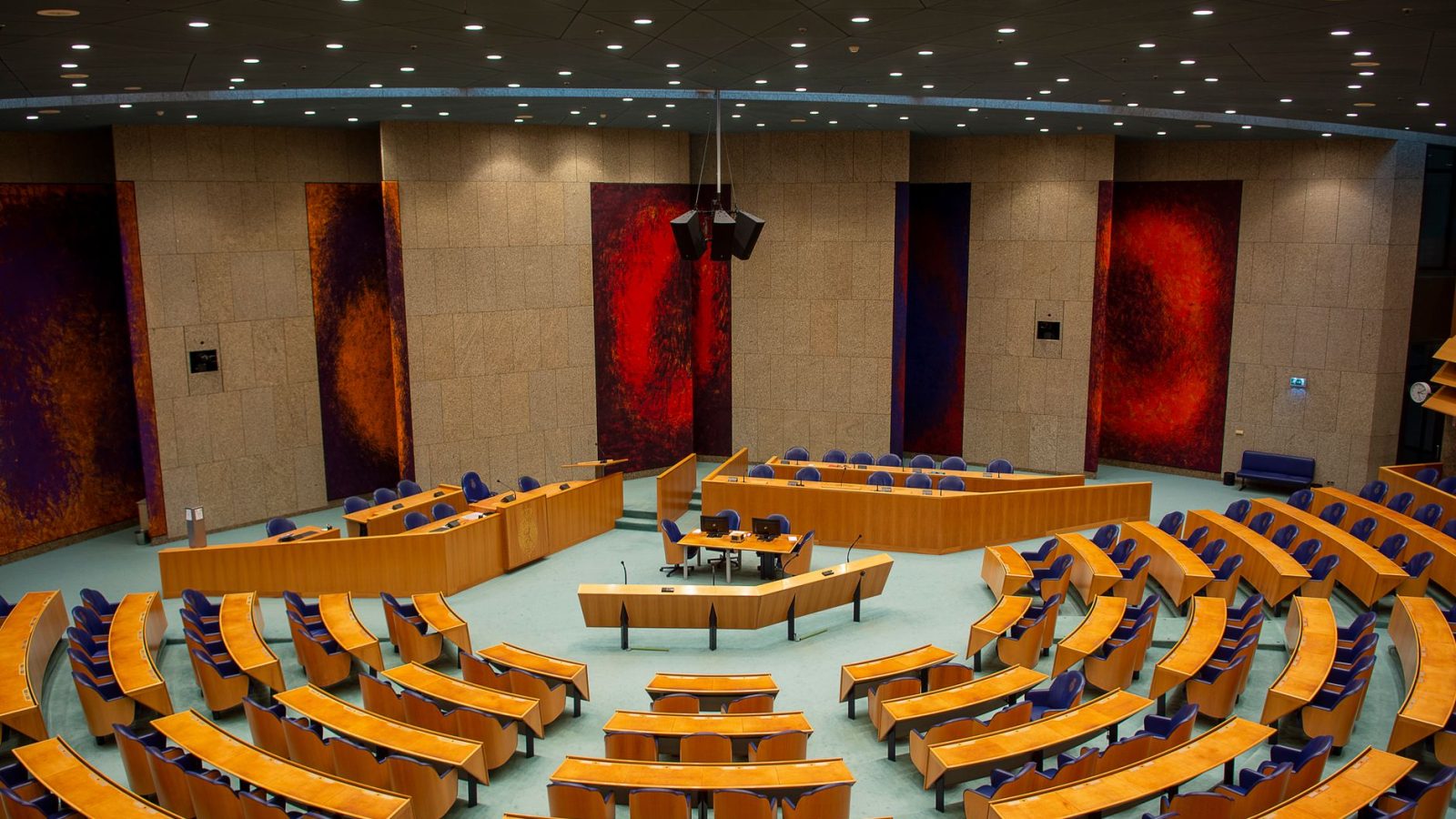
JA21 leader Joost Eerdmans demands coalition choice between JA21 and Pro amid rising tensions.
JA21 political standoff is escalating tensions within the Dutch coalition government. JA21, led by Joost Eerdmans, is demanding a clear choice from the coalition between his party and the rival Pro. This ultimatum comes as the government, a minority coalition consisting of D66, VVD, and CDA, faces crucial strategy planning ahead of Prinsjesdag.
Eerdmans has made it clear that JA21’s support hinges on the introduction of tax relief measures. Meanwhile, Pro, led by Jesse Klaver, has set its conditions, demanding the reversal of recent social security cuts. This division is not just a political maneuver but a potential turning point in Dutch governance.
Coalition’s Dilemma
The coalition’s indecision over these demands is raising the stakes. Prinsjesdag, the day when the Dutch government presents its budget and policy plans, is fast approaching. The choices made now could significantly influence the country’s social and economic policies.
The minority coalition, already under pressure to maintain stability, must handle these demands carefully. The demands from JA21 and Pro highlight the contrasting priorities within the coalition. D66, VVD, and CDA are tasked with balancing these interests while ensuring effective governance.
Implications of the Standoff
The JA21 political standoff could have far-reaching implications. If the coalition aligns with JA21, it may lead to significant tax policy changes. Conversely, siding with Pro could mean reversing social security cuts, impacting national welfare programs.
The stakes are high, as this decision will affect not only the coalition’s stability but also the broader socio-economic landscape of the Netherlands. The government must weigh the potential benefits and drawbacks of each path carefully.
Joost Eerdmans stated, “The coalition must decide where it stands. Our support is conditional on meaningful tax relief for Dutch citizens.” This direct quote shows the seriousness of the situation and the pressure on the coalition to make a decisive choice.
Meanwhile, Jesse Klaver of Pro has emphasized the importance of social welfare, arguing that reversing the cuts is essential for maintaining the social fabric of the nation.
The current political climate is tense, with both parties holding firm on their demands. As negotiations continue, the coalition’s ability to reach a consensus will be tested.
Background
The coalition’s formation as a minority government with D66, VVD, and CDA was always seen as a delicate balance. The inclusion of parties with differing priorities has meant navigating complex political waters. This latest standoff is a reflection of the underlying tensions that have been simmering since the coalition’s inception.
JA21’s rise in influence has been marked by its strong stance on economic policies, appealing to a segment of the electorate seeking fiscal conservatism. Pro, on the other hand, has built its platform on social justice and welfare, resonating with voters concerned about social inequality.
What Happens Next
The coming weeks will be crucial as Prinsjesdag approaches. The coalition must address these demands and find a path forward that maintains its integrity while addressing the concerns raised by both JA21 and Pro.
The outcome of this political standoff will likely shape the Dutch political landscape for years to come. As the government handle these challenges, the eyes of the nation remain fixed on the Binnenhof in The Hague.
The decisions made now could influence future legislative processes and the broader socio-economic trajectory of the Netherlands. The coalition’s ability to manage these demands and maintain stability is critical as they prepare for the important announcements on Prinsjesdag.
More from the desk