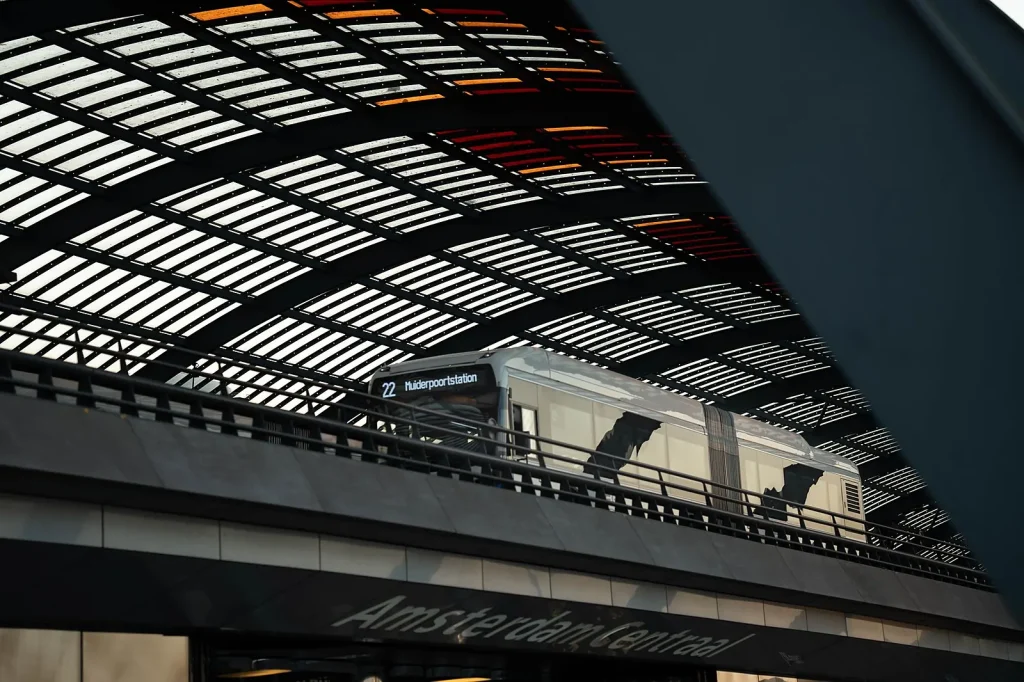
Asylum wait in Netherlands: 31-year-old faces 3-year delay
Bushra Youssef, a Syrian asylum seeker, has faced nearly three years of waiting for a decision on her status in the Netherlands.

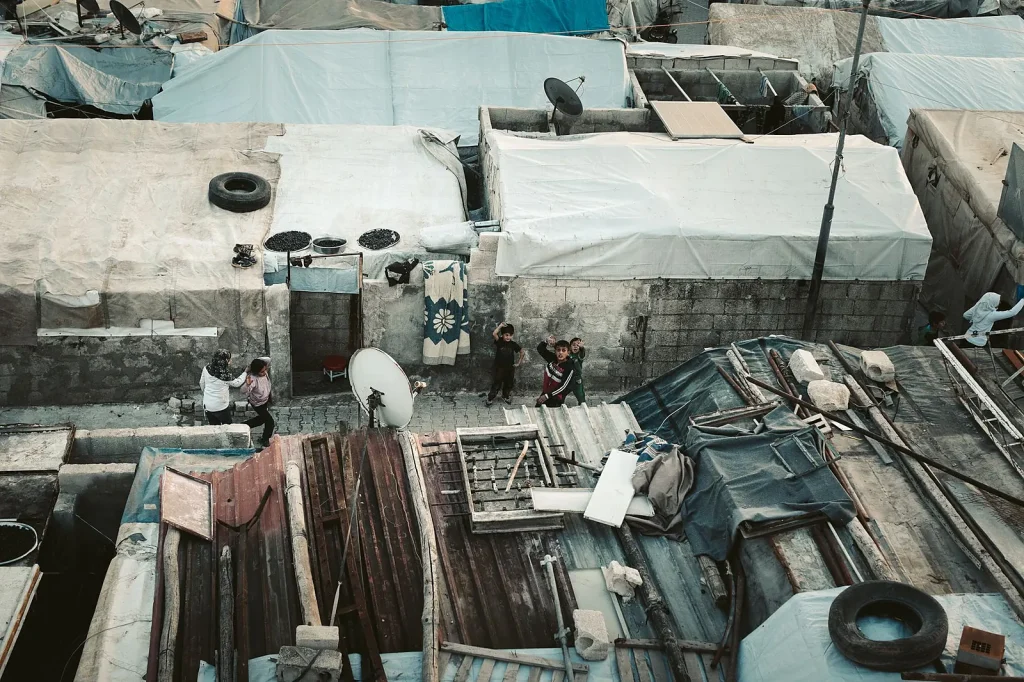
Bushra Youssef from Syria waits nearly three years for asylum in the Netherlands, highlighting systemic delays.
Bushra Youssef, a 31-year-old Syrian asylum seeker, has been living in the Netherlands in a state of uncertainty for nearly three years. Her prolonged wait for asylum approval highlights systemic delays within the Dutch asylum processing system, as well as the broader challenges faced by many others in similar situations.
The Dutch asylum system has been under scrutiny for its inefficiency, with many applicants experiencing long waits. Youssef’s case is emblematic of this issue. She applied for asylum nearly three years ago, yet her application remains unresolved. This delay has taken a significant toll on her daily life, as she tries to maintain a sense of normalcy while dealing with an uncertain future.
Impact of Policy Changes
Recent changes in European migration policies aim to accelerate the processing of new asylum applications. Cases filed after June 12 are expected to be reviewed within six months, a significant improvement in processing times. However, these changes do little to help those like Youssef, whose applications predate these new measures. Her situation shows the need for systemic reform to address the backlog of pending cases.
Youssef spends her days learning Dutch and participating in community activities, trying to integrate into Dutch society despite her precarious status. “I want to contribute and be part of this community, but it’s hard when you don’t know what tomorrow will bring,” she shared.
The Human Cost of Delays
The emotional and psychological toll of such extended waits can be profound. Many asylum seekers, like Youssef, live in limbo, unable to fully plan their futures. This uncertainty can lead to anxiety and stress, compounding the trauma many have already faced in fleeing their home countries.
The Dutch government’s recent policy adjustments aim to simplify the asylum process, but critics argue that more needs to be done. The backlog of cases and the slow pace of processing continue to be major issues. A comprehensive approach is necessary to ensure that those waiting for asylum decisions can have their cases resolved in a timely manner.
The Netherlands, known for its strong human rights stance, faces a significant challenge in balancing efficient processing with fair consideration of each case. The current situation reveals the complexities involved in asylum policy and its implementation.
Looking Forward
As new policies take effect, it how they will impact the overall asylum process. For Youssef and many others caught in similar situations, the hope is that increased attention and resources will lead to faster resolutions. Meanwhile, advocacy groups continue to push for more immediate measures to address the existing backlog.
Youssef’s story is a poignant reminder of the human element behind asylum statistics. It is crucial for policymakers to consider these personal stories when crafting legislation and reforms. The goal should be a fair, efficient system that respects the dignity and rights of all individuals seeking refuge.
For now, Youssef waits, hopeful that her patience will soon be rewarded with the stability and security she seeks in the Netherlands.