More than 50 black-tailed godwit chicks hatch at Dutch bird park
Over 50 black-tailed godwit chicks have successfully hatched in a Dutch bird park, marking a significant boost for conservation efforts in the Netherlands.

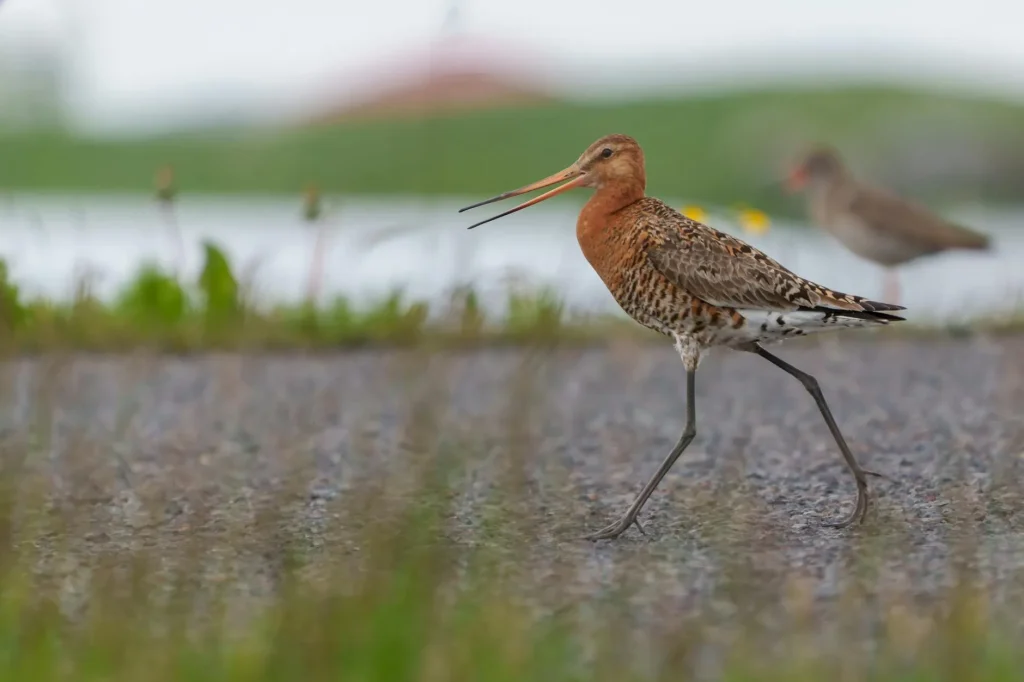
Over 50 black-tailed godwit chicks hatch successfully, boosting conservation efforts for this endangered species in the Netherlands.
Over 50 black-tailed godwit chicks have successfully hatched in a Dutch bird park, marking a significant breakthrough for conservation efforts in the Netherlands. This initiative targets nests with low success rates in the wild, aiming to bolster the declining population of this endangered species.
Conservation Efforts in the Netherlands
The black-tailed godwit, a bird known for its striking appearance and long migration routes, has faced a troubling decline in numbers. Efforts to reverse this trend have been ongoing, with the recent success in hatching over fifty chicks providing a much-needed boost. The chicks were incubated in a controlled environment, offering them a better chance of survival compared to their natural habitats.
This initiative, led by a dedicated Dutch bird park, focuses on nests identified as having low success rates. By intervening and incubating the eggs in a safe setting, conservationists aim to improve the overall breeding success of the species. The project’s success highlights the importance of targeted conservation strategies in protecting endangered wildlife.
Why Black-Tailed Godwit Chicks Matter
The black-tailed godwit is an iconic species within the Netherlands, often seen as a symbol of the country’s rich biodiversity. However, the bird’s numbers have been declining due to habitat loss and other environmental pressures. The recent hatching success represents a significant step forward in efforts to preserve this unique bird.
Conservationists believe that the methods used in this program could serve as a model for similar efforts worldwide. By identifying and supporting vulnerable nests, they hope to see a gradual increase in the godwit population, ensuring the species’ survival for future generations.
Additionally, this conservation effort highlights the role of proactive wildlife management in maintaining biodiversity. The success of the program not only benefits the godwits but also contributes to the broader ecological balance within their habitats.
For more information on conservation efforts in the Netherlands, visit the official sites of Rijksoverheid and the Central Bureau of Statistics.
Background on the Black-Tailed Godwit
The black-tailed godwit is a migratory bird that breeds in temperate Europe and Asia. It is known for its long legs and distinctive black-and-white tail. The species migrates to Africa and South Asia during the winter months. The Netherlands serves as a crucial breeding ground for these birds, making local conservation efforts vital.
Despite its significance, the black-tailed godwit has been classified as Near Threatened due to declining numbers. Factors such as agricultural expansion and habitat destruction have contributed to its vulnerability. Therefore, the success of hatching programs is critical in reversing these trends.
What Happens Next?
Following the successful hatching of the black-tailed godwit chicks, conservationists plan to monitor their progress closely. The young birds will be gradually introduced to their natural habitats, where they can contribute to the population’s growth.
The program’s leaders are hopeful that continued efforts will lead to sustained improvements in the godwit population. They call for increased awareness and support for conservation initiatives, emphasizing the importance of protecting endangered species in the Netherlands and beyond.
In conclusion, the successful hatching of over fifty black-tailed godwit chicks in the Netherlands marks a significant achievement in conservation. This effort not only aids in preserving the species but also serves as a beacon of hope for similar initiatives worldwide.