Dutch unions demand rollback of social security cuts by May 30
Dutch unions issued an ultimatum demanding a rollback on social security cuts. The government must respond by May 30 to avoid potential strikes.

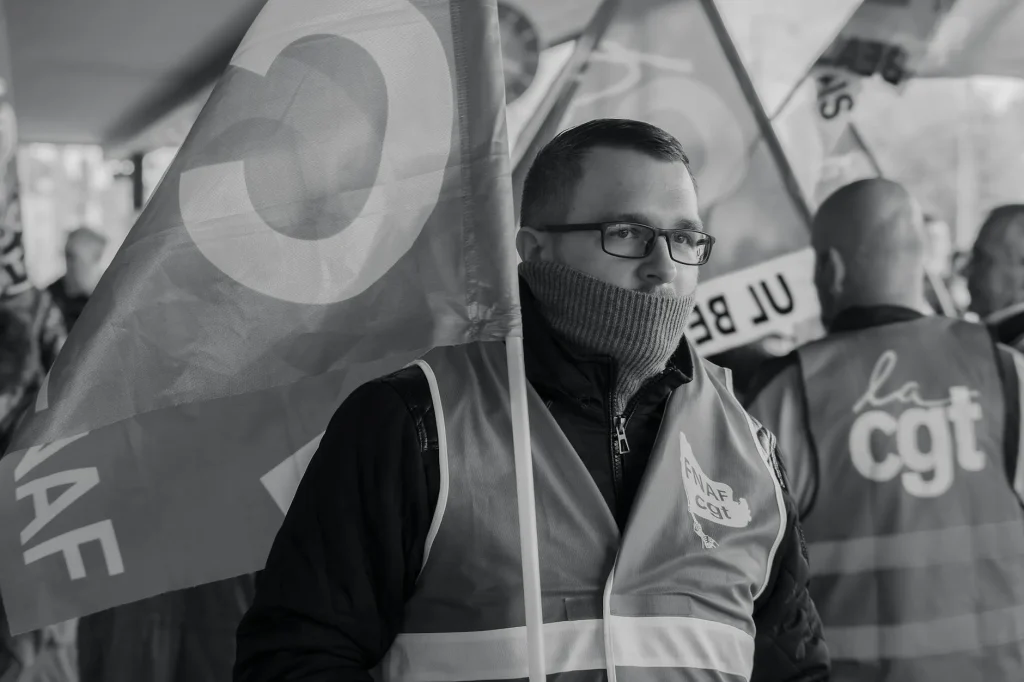
Unions demand rollback on social security cuts; government response awaited.
The Dutch union ultimatum issued by major unions FNV, CNV, and VCP has placed significant pressure on the government. They demand a rollback of social security cuts affecting unemployment and disability benefits and oppose the increase in the retirement age. This standoff could lead to industrial action, affecting the Dutch economy and labor market.
Union Demands and Government Response
The unions have set a deadline of May 30 for the government to meet their demands. The proposed cuts have raised concerns among workers who fear reduced security and financial strain. Minister Hans Vijlbrief of Social Affairs and Employment acknowledged these concerns and promised to deliver a proposal within weeks. However, he has not committed to fully retracting the cuts.
The unions argue that the cuts disproportionately affect vulnerable groups and could lead to increased poverty and inequality. They have emphasized that their demands are non-negotiable and are prepared to initiate strikes and demonstrations if their ultimatum is not addressed.
Potential Impact on the Dutch Economy
The potential for widespread industrial action is significant. The Dutch economy, known for its stability, could face disruptions across various sectors. Strikes would affect transportation, healthcare, and public services, leading to economic losses and inconvenience for citizens.
According to the Dutch Central Bureau of Statistics (CBS), any prolonged industrial action could impact economic growth and employment rates. The unions’ demands are rooted in preventing further economic disparity, which they argue could worsen if the proposed cuts are implemented.
Additionally, the retirement age increase has been a contentious issue. Many workers feel that extending their working years is unfair, especially for those in physically demanding jobs. The unions have highlighted that this change could lead to increased health issues and reduced quality of life for older workers.
Background on Social Security Cuts
The proposed cuts are part of broader economic reforms aimed at reducing government spending. The government argues that these measures are necessary to ensure long-term financial stability. However, critics argue that the cuts target essential services and disproportionately affect those who rely on them the most.
In recent years, the Netherlands has faced challenges balancing economic growth with social welfare. The current debate reflects ongoing tensions between economic policies and social equity. The government must navigate these challenges carefully to maintain social cohesion and avoid unrest.
What Happens Next?
As the deadline approaches, both the government and unions are preparing for potential outcomes. Minister Vijlbrief’s upcoming proposal will be crucial in determining the next steps. If the proposal fails to meet union demands, the Netherlands could see large-scale demonstrations and strikes.
The unions have indicated that they are willing to escalate their actions if necessary. This could involve coordinated strikes across multiple sectors, affecting daily life and the economy. The government, therefore, faces a critical decision that could shape the country’s economic and social landscape.
For more information on the government’s stance, visit Rijksoverheid. The situation remains dynamic, and stakeholders are watching closely to see how it unfolds.