Borssele Nuclear Plant: Dutch State Buys 70% Stake for €115M
The Dutch State has acquired a stake in the Borssele nuclear plant, signaling a shift towards nuclear energy.

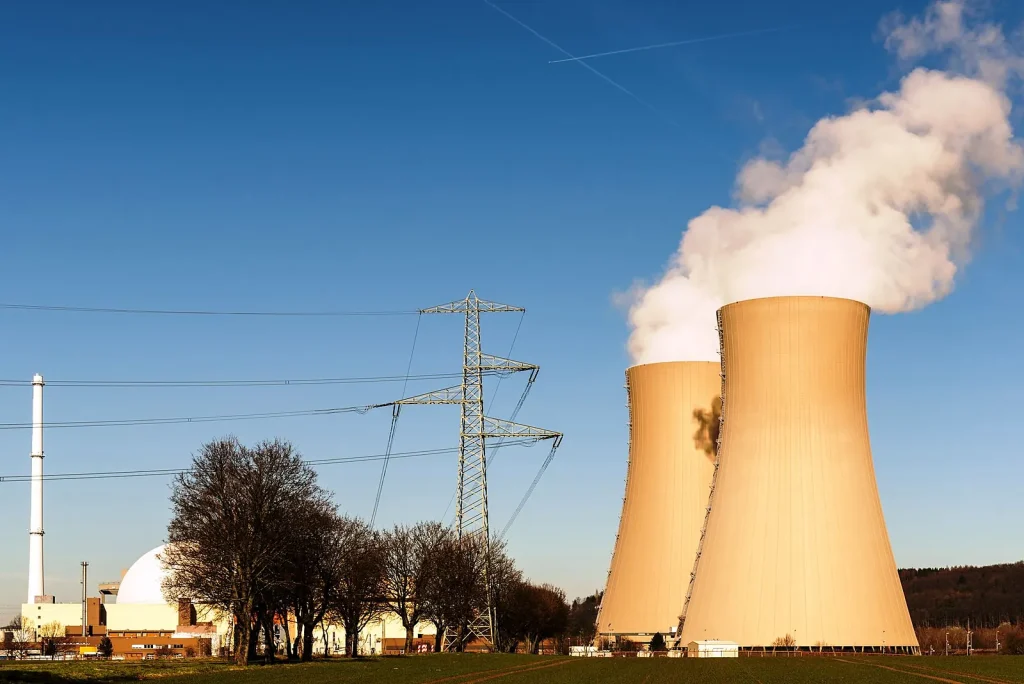
The Netherlands shifts towards nuclear energy to achieve climate goals.
The Dutch State has taken a significant step towards enhancing its energy strategy by acquiring a stake in the Borssele nuclear power plant. This purchase shows the Netherlands’ commitment to nuclear energy as a means to meet its climate objectives.
Strategic Shift in Energy Policy
The acquisition highlights nuclear energy’s role in providing a stable and diverse energy supply. The decision to purchase shares from the Province of Zeeland and local municipalities is part of a broader strategy to extend the plant’s operations beyond its originally planned closure in 2033.
The Borssele plant, located in the province of Zeeland, has long been a subject of debate in the Netherlands’ energy policy discussions. The acquisition marks a key moment in the country’s energy transition.
Local and National Implications
This move not only affects the local stakeholders but also signals the national government’s direction in energy policy. By acquiring these shares, the Dutch State aims to ensure a more secure energy future amidst global energy uncertainties.
The involvement of international stakeholders highlights the interconnected nature of energy policy decisions in the European context. The Dutch government’s decision is expected to influence energy discussions across the region, as countries grapple with balancing renewable and nuclear energy sources.
What this means for people living in the Netherlands
For residents of the Netherlands, this acquisition could mean more stable energy prices and a reliable energy supply in the coming years. As the country shifts towards nuclear energy, it aims to reduce its carbon footprint and meet climate targets. This move may also lead to job opportunities in the nuclear sector, particularly in Zeeland.
Residents can expect ongoing discussions and potential public consultations as the government seeks to ensure transparency and public support for its energy policy. For more information on the Dutch government’s energy strategy, visit the official government website at rijksoverheid.nl.
Background
The Borssele nuclear power plant has been operational since the 1970s and is one of the two nuclear plants in the Netherlands. Its continued operation is seen as crucial in the country’s efforts to diversify energy sources and reduce reliance on fossil fuels. The Netherlands has set ambitious climate goals, aiming to significantly reduce greenhouse gas emissions by 2030.
In recent years, nuclear energy has re-emerged as a viable option for many countries seeking to balance energy needs with environmental responsibilities. The Dutch government’s acquisition of Borssele shares reflects this broader trend.
What happens next
The Dutch government will now engage in discussions with stakeholders to finalize the operational extension of the Borssele plant. These negotiations will be crucial in determining the plant’s future role in the country’s energy mix.
As the Netherlands continues to evolve its energy policy, the focus will remain on ensuring a reliable, sustainable, and economically viable energy supply. This acquisition is a step towards achieving those goals, reflecting the country’s commitment to innovative and responsible energy solutions.