Rekenkamer Criticizes Dutch Ministers’ Budget Plans
Rekenkamer criticizes Dutch ministers for lacking clear objectives in the 2027 budget, affecting transparency and accountability.

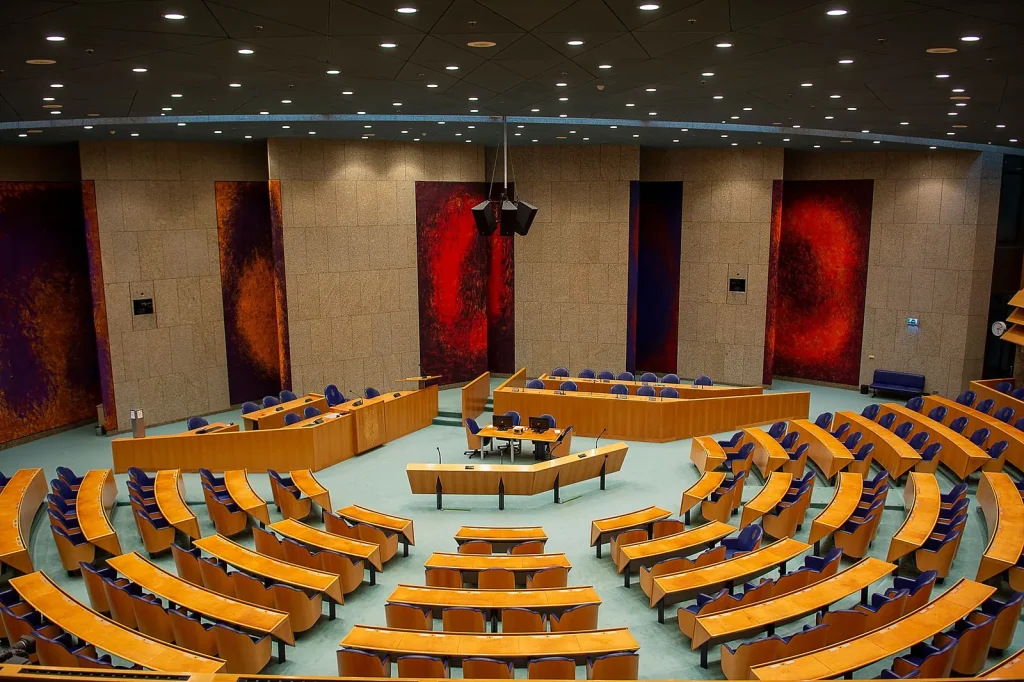
Dutch ministers face scrutiny for unclear objectives in 2027 budget, risking transparency.
The Algemene Rekenkamer, the Dutch Court of Audit, has expressed significant concerns over the lack of clear objectives in the budget plans proposed by Dutch ministers for 2027. The report reveals that many ministries have yet to specify concrete goals. This lack of clarity poses a challenge to effective parliamentary oversight by the Tweede Kamer, the Dutch House of Representatives.
Pieter Duisenberg, president of the Rekenkamer, emphasized, “Only a few ministers provide clear main objectives. Without this clarity, it’s difficult for inhabitants and businesses to understand what the government plans are.” Duisenberg’s statement shows the potential risk to public transparency and governmental efficiency in budget spending.
Ministries with Clear Goals
Among the few exceptions are the ministries of Economic Affairs, Climate and Green Growth, Finance, Infrastructure and Water Management, and Housing and Spatial Planning, which have set measurable targets. These ministries have outlined specific objectives, allowing for better oversight and accountability.
However, the lack of clear goals from other ministries such as Education has raised concerns. This omission makes it challenging for the Tweede Kamer to hold these ministries accountable, potentially leading to inefficient use of public funds.
What this means for people living in the Netherlands
For residents of the Netherlands, this situation could impact the effectiveness and transparency of government spending. The Rekenkamer’s findings suggest that without clear objectives, it is difficult for citizens to understand how public funds will be utilized. This can lead to a lack of trust in government operations.
To stay informed, citizens can follow updates from the Rekenkamer and the rijksoverheid. These platforms provide information on government budget plans and objectives.
Background
The Rekenkamer’s report comes in the wake of Prinsjesdag, an annual event where the Dutch government presents its budget plans. The lack of clear objectives in these plans is particularly concerning given the scale of the proposed budget. As the government allocates substantial funds, the need for transparency and accountability becomes even more critical.
Prinsjesdag is a crucial moment in the Dutch political calendar, where the government outlines its financial strategies. The Rekenkamer’s criticism highlights the importance of having clear, measurable goals to ensure that these strategies are effective and transparent.
What happens next?
The Tweede Kamer will likely intensify its scrutiny of the budget plans to ensure that taxpayer money is spent effectively. The Rekenkamer’s report may prompt discussions among parliamentarians about improving oversight mechanisms and demanding clearer objectives from all ministries.
As the debate continues, the government may need to revisit its budget plans to incorporate more specific targets. This could involve setting clearer priorities and ensuring that all ministries align their objectives with national goals.