Bushra Youssef’s 3-year asylum delay ignites concerns in NL
Bushra Youssef, a Syrian refugee, has been waiting nearly three years for asylum approval in the Netherlands, highlighting systemic delays.

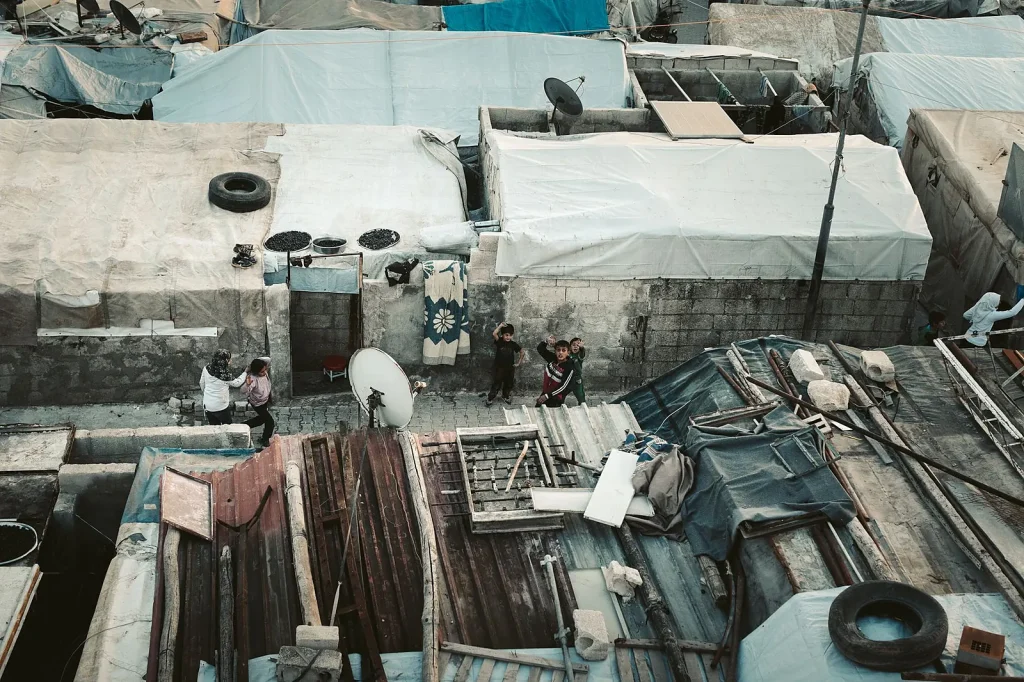
Syrian refugee Bushra Youssef has faced nearly three years of uncertainty due to delays in the Netherlands’ asylum process.
Bushra Youssef, a 31-year-old Syrian asylum seeker, has been waiting nearly three years for a decision on her residency status in the Netherlands. Her situation is emblematic of the challenges many face within the country’s asylum system.
Youssef’s prolonged wait highlights the personal toll of living in limbo. She dedicates her time to learning Dutch and trying to maintain a semblance of normalcy despite the uncertainty surrounding her future. “I try to stay positive,” Youssef said. “But the waiting is hard.”
Impact of Policy Changes
Recent changes in European migration policy promise faster processing times for new asylum seekers. Cases filed after June 12 are expected to be reviewed within six months. However, these changes offer little solace to those like Youssef, who have been waiting under the previous system.
The Dutch government has acknowledged the backlog and inefficiencies in the asylum process. Efforts are underway to address these issues, but progress is slow. The delays have been attributed to a combination of bureaucratic hurdles and an increase in asylum applications.
Personal Toll of Delays
For Youssef, the wait has been emotionally taxing. The uncertainty of her future makes it difficult to plan or feel settled. “I want to contribute to society,” she expressed. “But without knowing my status, it’s challenging to fully engage.”
The psychological impact of such delays is significant. Many asylum seekers experience stress, anxiety, and feelings of hopelessness. Organizations supporting refugees have called for more resources and simplified processes to alleviate these pressures.
The case of Bushra Youssef is not unique. Many asylum seekers in the Netherlands face similar situations. The system’s inefficiencies have been a point of contention and debate among policymakers and human rights advocates.
Background on Asylum System
The Netherlands has long been a destination for those fleeing conflict and persecution. The asylum process is designed to ensure that individuals are granted protection if they meet the criteria for refugee status. However, the system has been under strain due to increased applications and limited resources.
Efforts to reform the system include hiring additional staff and adopting new technologies to expedite case reviews. Nonetheless, these measures will take time to implement fully.
What Happens Next?
For Youssef and others in her position, the future remains uncertain. Advocacy groups continue to push for faster processing and more transparent communication from authorities. Meanwhile, Youssef remains hopeful that her case will be resolved soon, allowing her to begin a new chapter in the Netherlands.
The experience of Bushra Youssef shows the human impact of policy delays. As the Netherlands works to improve its asylum system, the stories of those waiting serve as a reminder of the importance of timely and compassionate processes.
For more information on asylum policies, visit the rijksoverheid website or the IND official page.