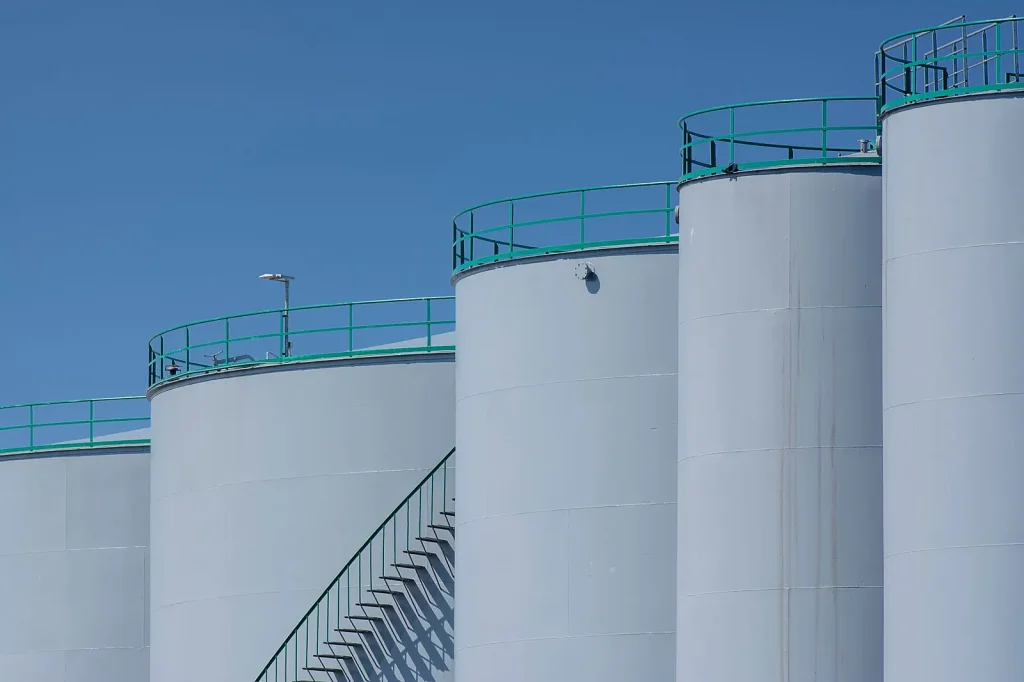
Cross-Border Fuel Sales Up 20% as Dutch Seek Cheaper Prices
Cross-border fuel sales surged as Dutch drivers look to Belgium and Germany for cheaper alternatives, impacting local stations.

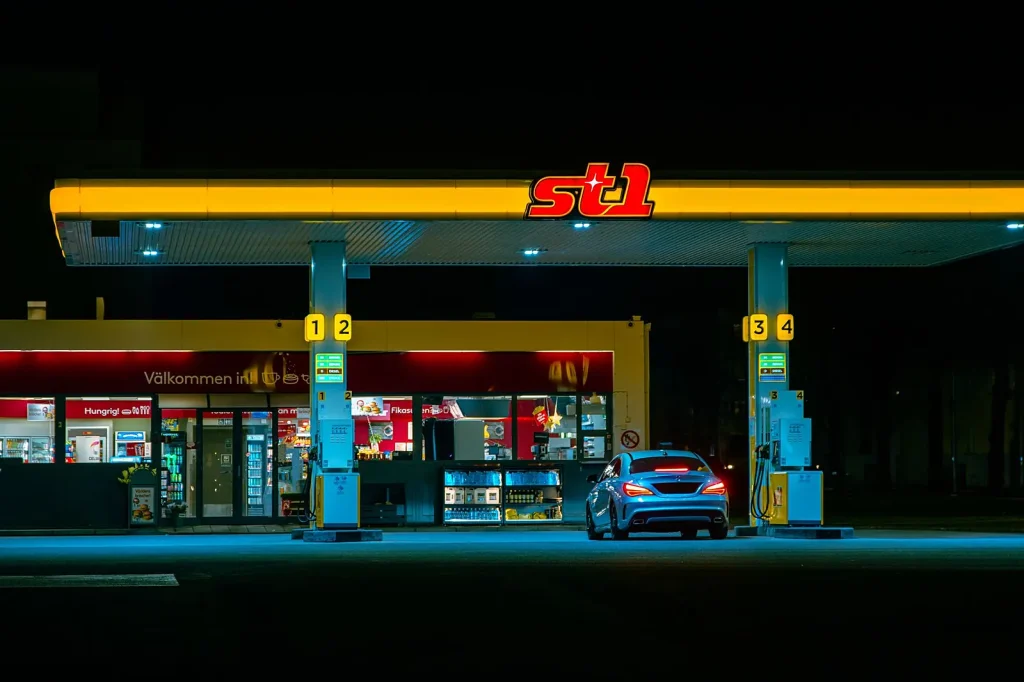
Dutch motorists turn to Belgium and Germany for affordable fuel amid soaring domestic prices.
In the first half of 2026, Dutch motorists have increasingly been crossing into Belgium and Germany to purchase fuel. This shift, spurred by significant price differences, has impacted cross-border fuel sales. With fuel prices in the Netherlands currently at €2.73 per liter, consumers are seeking more affordable options abroad.
Impact on Dutch Fuel Stations
The economic impact on Dutch fuel stations has been profound. As drivers flock to neighboring countries, local stations face declining sales. Despite a rise in fuel prices across the region, costs remain lower outside the Netherlands, drawing Dutch consumers across the borders.
Reasons Behind the Shift
Arto Vinkka, a statistician at De Nederlandsche Bank, highlighted the psychological impact of high domestic fuel prices. “The high prices at Dutch pumps have likely crossed a psychological threshold, pushing consumers to look for cost-effective solutions abroad,” Vinkka noted. The price disparity has made it economically viable for many drivers to travel to Belgium and Germany for refueling.
What this means for people living in the Netherlands
For those living in the Netherlands, this trend signifies a need to adapt to rising fuel prices. As domestic prices remain high, drivers are encouraged to explore alternative transportation methods or consider cross-border refueling if living near Belgium or Germany. It’s essential to factor in travel costs and time when planning such trips. For more information on fuel prices and transportation options, residents can visit the rijksoverheid.nl and ANWB websites.
Background
The Netherlands has long been known for its high fuel taxes, contributing to higher prices at the pump. This has historically led to periods where consumers seek alternatives, including public transportation and electric vehicles. However, the current economic climate, with inflation affecting various sectors, has intensified the search for cheaper fuel options.
What happens next
The trend of cross-border fuel purchases is expected to continue unless there is a significant change in domestic fuel pricing. Policymakers may need to address the underlying causes to prevent further economic impact on local fuel stations. Meanwhile, Dutch drivers will likely keep exploring ways to mitigate the financial burden of high fuel costs. Monitoring fuel prices and staying informed about government policies will be crucial for consumers navigating these challenges.