Dutch Gas Storage Costs to Shift to Energy Companies
Dutch government proposes shifting gas storage costs to energy companies.

Cabinet proposes energy companies manage gas storage expenses, easing consumer burden.
The Dutch government is proposing a significant change in how the country manages its gas storage expenses. Currently, the government covers the substantial costs of storing gas, a necessity to ensure supply during the colder months. However, the cabinet is now suggesting that energy companies take on this responsibility.
Proposal to Shift Costs
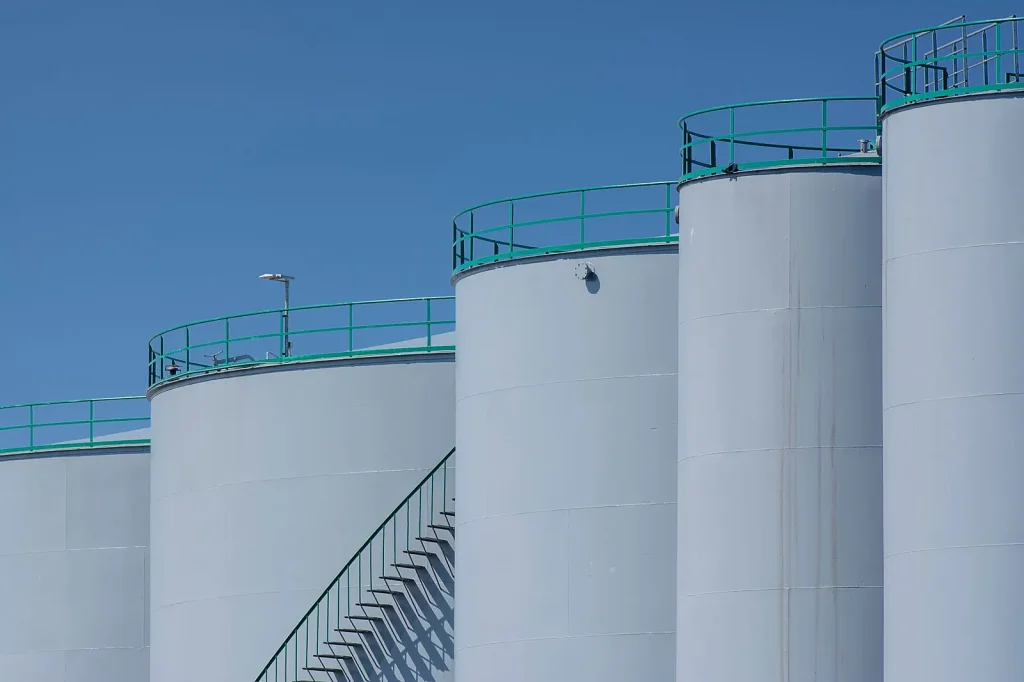
At present, facilities like those in Norg and Grijpskerk play a crucial role in maintaining a steady gas supply throughout the winter. The state has been shouldering the high costs associated with filling these storage sites. The cabinet’s new proposal would see energy companies managing and financing these operations instead. This shift is particularly relevant given the current high gas prices, which make commercial storage less appealing.
By transferring the financial burden to the private sector, the government hopes to ease the impact on consumers, who have been facing rising energy bills.
Maintaining a Strategic Reserve
Despite the proposed shift, the government plans to maintain a strategic gas reserve. This reserve would be used only in emergency situations, ensuring that the country remains prepared for unforeseen supply disruptions. This measure is part of a broader strategy to safeguard energy security while adapting to changing market conditions.
However, the government has not detailed how energy companies might respond to this proposal, given the current market dynamics. High gas prices and the volatility of energy markets pose challenges to the feasibility of commercial gas storage.
What this means for people living in the Netherlands
If the proposal is implemented, consumers could see a reduction in their energy bills. The cost of gas storage, currently funded by taxpayers, would be absorbed by energy companies, potentially leading to lower costs for end-users. The strategic reserve would ensure that emergencies are covered, providing peace of mind during the winter months.
For more details on energy policies and updates, residents can visit the rijksoverheid website. It is important for consumers to stay informed about changes in energy costs and how they might affect household expenses.
Background
The decision to propose this shift comes amidst ongoing discussions about energy sustainability and financial responsibility in the Netherlands. The government has been exploring various options to manage rising energy costs while maintaining security of supply. By involving the private sector, the cabinet aims to foster a more competitive and dynamic energy market.
What happens next
The proposal will be subject to further discussions and evaluations. Stakeholders, including energy companies and consumer rights groups, will likely play a significant role in shaping the final outcome. The government is expected to provide more detailed plans in the coming months.
As the situation evolves, it is crucial for consumers and businesses to stay updated on potential changes. The proposed shift in gas storage responsibilities represents a significant step in the ongoing efforts to balance economic and environmental priorities in the Netherlands.