Den Bosch asylum centre protest blocks A59 for 30 minutes
Protesters blocked the A59 highway near Den Bosch for 30 minutes opposing the Den Bosch asylum center planned for 50 unaccompanied minors aged 15 to 18.

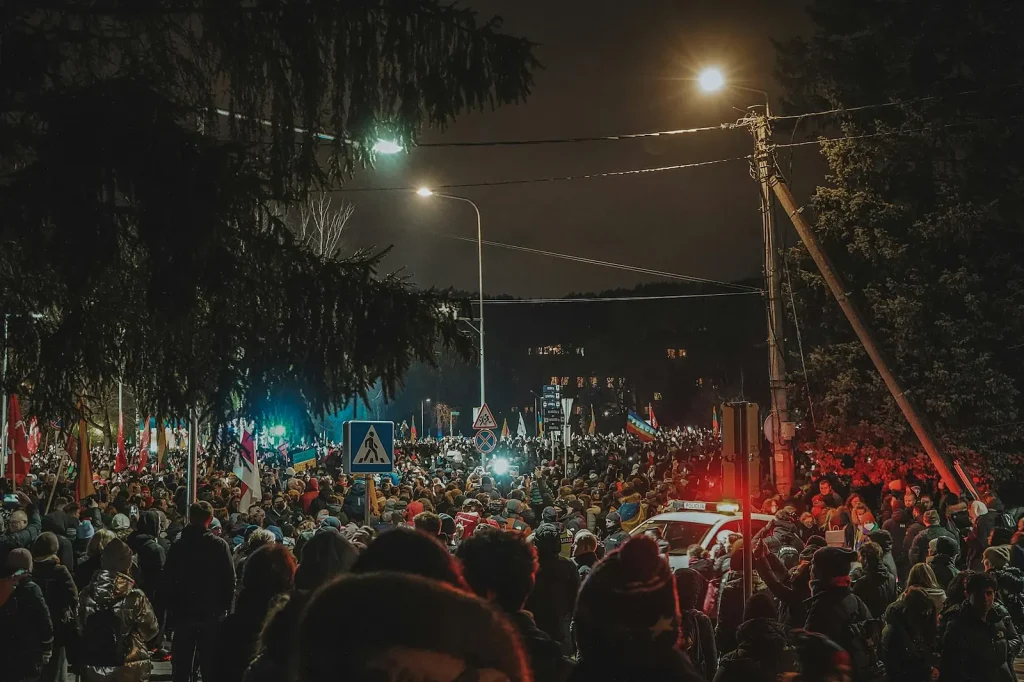
Around 100 demonstrators shut down a major Dutch highway with banners and torches to oppose a planned facility for 50 unaccompanied minors.
The Den Bosch asylum center debate reached a new flashpoint this week when roughly 100 demonstrators temporarily shut down the A59 motorway near the city, wielding banners and torches in opposition to a planned reception facility for unaccompanied minor asylum seekers. Police intervened after approximately half an hour, reopening the carriageway to traffic. No serious injuries were reported during the incident.
The planned center is intended to house up to 50 unaccompanied minors between the ages of 15 and 18. It is being developed as a joint initiative between the municipality of Den Bosch, officially known as ‘s-Hertogenbosch, the capital of the North Brabant province, and the Central Agency for the Reception of Asylum Seekers (COA), the national body responsible for organising asylum accommodation across the Netherlands.
The highway blockade is not an isolated incident. It forms part of a broader pattern of opposition that has grown increasingly heated in recent weeks. Earlier protests near the proposed site involved stone-throwing and direct confrontations with police officers, prompting authorities to deploy additional units to maintain order. Local officials have acknowledged that public anxiety around the facility runs deep and that more needs to be done to address community concerns.
Den Bosch Asylum Center Draws National Political Attention
The Den Bosch asylum center has quickly become a focal point for national political debate. Politicians across the spectrum have weighed in on the demonstrations, reflecting broader divisions over the Netherlands’ asylum and migration policies. Some elected representatives expressed sympathy with residents who feel that decisions are being imposed on their neighbourhood without adequate consultation, while others condemned the road blockade as dangerous and unlawful.
Critics of the protest tactics pointed out that blocking a major motorway poses genuine risks to emergency services and other road users. Supporters of the demonstrators, however, argued that residents feel they have been left with no other avenue to make their voices heard on a decision that directly affects their community. The tension between those two positions mirrors a wider national argument about how local populations should be consulted when asylum facilities are planned in their area.
The Netherlands has faced significant pressure on its asylum reception system for several years. Statistics Netherlands (CBS) has documented a steady rise in asylum applications over recent years, and the COA has repeatedly warned that available bed capacity falls short of demand. That systemic pressure has made the siting of new facilities, particularly in smaller cities and towns, a persistently contentious political issue.
What Happens Next for the Planned Facility
In response to the escalating tensions, local authorities in Den Bosch have announced plans to hold an online information session for residents. The session is intended to give community members an opportunity to ask questions directly about the Den Bosch asylum center, its management structure, the support services that will be provided to the young residents, and the safety measures that will be put in place. Officials hope that greater transparency will help reduce the fear and misinformation they believe is fuelling some of the opposition.
The decision to move the consultation online rather than holding an in-person meeting reflects concerns about safety following the confrontational atmosphere at previous gatherings. Whether a virtual format will satisfy residents who feel strongly about the issue remains an open question. Community organisations and local councillors have urged authorities to go further, calling for a structured, ongoing dialogue rather than a single information event.
Unaccompanied minor asylum seekers, known in Dutch policy as alleenstaande minderjarige vreemdelingen, or AMV, represent a particularly sensitive group within the broader asylum system. They arrive in the Netherlands without parents or legal guardians and are entitled to specialised care, education, and legal representation under both Dutch law and European Union directives. Facilities designed specifically for this group are generally staffed with trained youth workers and social care professionals, a fact that proponents of the Den Bosch center say distinguishes it from large general-purpose asylum centres.
Opponents, however, argue that the age range of 15 to 18 means the facility will house young adults rather than young children, and they question whether sufficient supervision and integration support will be available. These concerns have been raised at previous community meetings and are expected to feature prominently in the upcoming online session.
The Den Bosch asylum center situation is far from unique in the Netherlands. Similar disputes have played out in towns and cities across the country in recent years, with local protests sometimes delaying or derailing planned facilities. In some cases, municipalities have ultimately chosen alternative sites; in others, facilities have proceeded after extended community engagement processes. How Den Bosch navigates the coming weeks is likely to be watched closely by other local governments facing comparable challenges.
For now, the A59 is fully open again and the immediate disruption has passed. But the underlying debate over the Den Bosch asylum center, who it serves, how it is managed, and whether residents were properly consulted, shows no sign of fading. Both local officials and national politicians will need to engage seriously with community concerns if the situation is to be resolved without further confrontation.