Schiphol alert after possible hantavirus exposure on incoming flight
A potential hantavirus Schiphol case has put Dutch health authorities on high alert after a passenger with known outbreak exposure was screened and isolated on arrival.

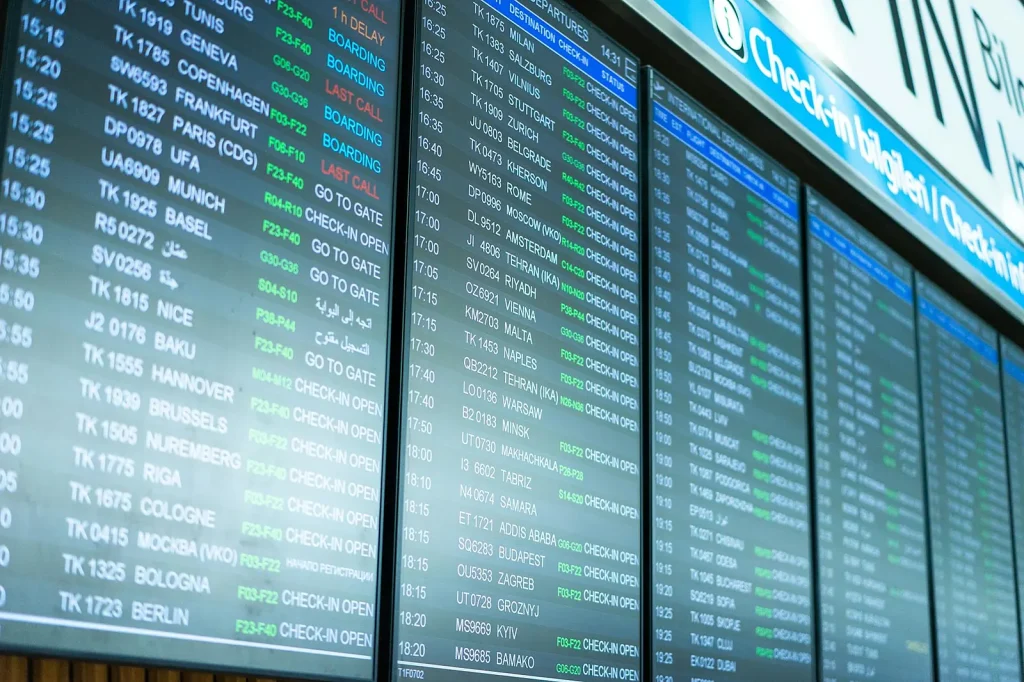
Dutch health authorities screen and isolate a potential hantavirus patient after landing at Amsterdam’s Schiphol Airport, triggering emergency protocols.
A hantavirus Schiphol scare unfolded at Amsterdam Airport Schiphol after a plane carrying a potential hantavirus patient touched down, prompting immediate action from public health teams stationed at the terminal. The passenger, who had documented contact with an active hantavirus outbreak abroad, was identified before disembarkation and swiftly moved to an isolation area for thorough medical screening.
How Hantavirus Schiphol Protocols Were Activated
Airport health response teams, working in close coordination with the RIVM (Rijksinstituut voor Volksgezondheid en Milieu), the Dutch National Institute for Public Health and the Environment, enacted pre-established containment procedures as soon as the flight manifest flagged the potential case. Fellow passengers on the affected aircraft were assessed for any possible exposure risk, and contact-tracing measures were set in motion without delay.
Hantavirus is a rare but serious infection primarily transmitted through contact with infected rodents or their droppings. It is not known to spread easily from person to person, which significantly limits the risk of onward transmission in a busy transit environment. Nevertheless, authorities stressed that caution at an international hub of Schiphol’s scale is non-negotiable.
The hantavirus Schiphol incident is a reminder that major airports serve as critical frontline checkpoints in the global effort to prevent the cross-border movement of infectious diseases. Schiphol handles tens of millions of passengers each year, making robust airport health screening an essential layer of public protection. The RIVM maintains updated guidance on hantavirus risks and symptoms for both the public and medical professionals.
Containment Measures and What Comes Next
Following isolation, the potential patient underwent clinical evaluation to determine whether the hantavirus infection could be confirmed. Preventive measures extended beyond the aircraft itself, with cleaning and disinfection procedures carried out in the relevant terminal areas as a precautionary step. Dutch health officials emphasised that the situation was being managed in a structured and proportionate manner.
Public health authorities are monitoring the case closely and have indicated that results from laboratory testing would guide any further response. The broader public at Schiphol was not considered to be at elevated risk given the nature of hantavirus transmission. The World Health Organization outlines hantavirus disease characteristics and global outbreak patterns in detail, noting that early detection remains the most effective tool available.
This episode highlights the value of sustained investment in airport health infrastructure and the readiness of the Netherlands to respond to emerging infectious disease threats. The hantavirus Schiphol case, while still under investigation, demonstrates that rapid identification, isolation, and coordinated communication between aviation and public health bodies can make a decisive difference in preventing a single imported case from becoming a wider concern. Authorities have pledged to keep the public informed as the situation develops.