Den Bosch asylum centre plan triggers A59 protest
The Den Bosch asylum center for 50 unaccompanied minors triggered highway protests, arrests, and calls for community dialogue in a widening national debate.

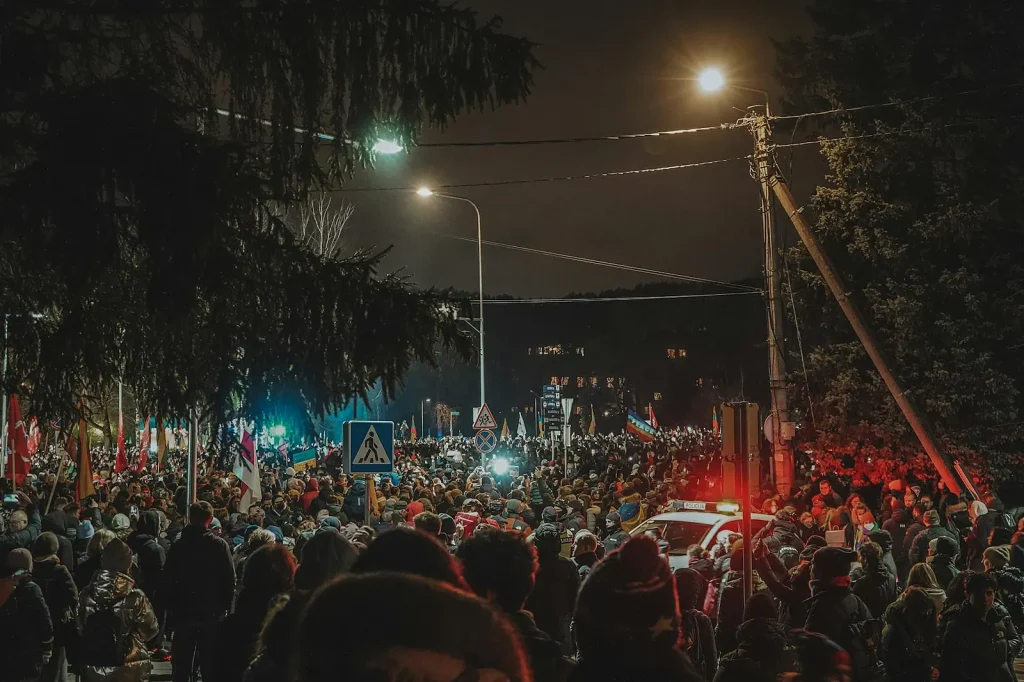
Hundreds of demonstrators blocked the A59 motorway near Den Bosch for 30 minutes over a planned shelter for 50 unaccompanied minor refugees.
The Den Bosch asylum center controversy reached a flashpoint when hundreds of protesters stormed onto the A59 motorway near the city, bringing traffic to a standstill for approximately thirty minutes during one of the most visible demonstrations the region has seen in recent years. Demonstrators carrying banners and flaming torches blocked the busy highway to express fierce opposition to a planned facility intended to house fifty unaccompanied minor asylum seekers. The images of a torchlit crowd on a Dutch motorway quickly circulated online, intensifying an already heated national conversation about refugee accommodation.
Police were deployed in significant numbers to manage the crowd and restore order. Several arrests were made during the confrontation, though authorities did not immediately release a precise figure. Officers eventually cleared the highway, allowing traffic to resume, but the demonstration underscored just how deeply the proposal has divided the local community. Residents in the surrounding area have voiced a range of concerns, from questions about safety and public services to broader anxieties about the pace and scale of refugee arrivals in the Netherlands.
Why the Den Bosch Asylum Center Is So Contentious
The Den Bosch asylum center is specifically designed to accommodate unaccompanied minors, young people who have arrived in the Netherlands without a parent or legal guardian. This category of asylum seeker tends to attract particularly strong emotions on both sides of the debate. Supporters argue that housing vulnerable children in a dedicated, supervised facility is both a legal obligation and a humanitarian necessity. Critics, however, worry about the impact on local infrastructure, schools, and neighbourhood character, and some have expressed distrust of governmental assurances about security measures.
This is not the first time the municipality has encountered resistance. Earlier rounds of community consultation failed to fully reassure opponents, and protests had already taken place before this latest, more dramatic episode on the A59. The recurrence of demonstrations, and their escalating visibility, suggests that standard information sessions have not been sufficient to bridge the gap between municipal policy goals and local sentiment. In response, the municipality has announced plans to hold an online discussion forum with residents, positioning the move as a renewed commitment to transparent and open dialogue.
The Den Bosch asylum center dispute is, in many ways, a microcosm of a much larger national argument. The Netherlands has been grappling with asylum policy for years, and the current political climate has made the topic more charged than ever. The Dutch national government’s asylum reception framework requires municipalities to provide a certain number of reception places, often creating friction between central directives and local preferences. When a municipality is effectively required to host a facility that a vocal portion of its population opposes, the resulting tension can spill onto the streets, and, in this case, onto the motorway.
National Context and Historical Comparisons
The Den Bosch asylum center protests are far from an isolated phenomenon. The Netherlands has witnessed similar standoffs in other cities and towns over the past decade. Perhaps the most infamous episode occurred in Oranje, a small village in Drenthe, where plans for a large asylum centre generated months of demonstrations starting in 2015, coinciding with the peak of the European migration crisis. More recently, protests erupted in Alkmaar, Purmerend, and several other municipalities as the volume of asylum applications in the Netherlands climbed again after the COVID-19 pandemic.
What distinguishes the current climate is the degree to which asylum and migration have moved to the very centre of Dutch politics. The 2023 national elections produced a parliament in which immigration-restrictionist parties hold substantial influence, and the formation of a new governing coalition has kept the issue at the top of the legislative agenda. This political backdrop amplifies local disputes, giving protesters a sense that their voices may actually change national policy, while simultaneously making municipal governments more cautious about how they communicate contentious decisions.
The specific focus on unaccompanied minors adds another layer of complexity. Under Dutch and European law, unaccompanied minor asylum seekers are entitled to specialised care and accommodation separate from the adult reception system. The Central Agency for the Reception of Asylum Seekers, known as the COA, is responsible for organising this provision. Municipalities that refuse or fail to provide adequate locations can face legal pressure from the central government. In several past cases, courts have ordered local authorities to comply with reception obligations, suggesting that outright refusal is rarely a viable long-term strategy for opponents of a planned centre.
Community opposition does not always translate into a facility being cancelled. In many documented cases across the Netherlands, centres opened on schedule despite protests, and tensions gradually subsided once residents could observe day-to-day operations. Research published by Dutch social policy institutes has repeatedly found that anticipated problems, rises in local crime, pressure on schools, often do not materialise at the levels feared. Whether such evidence will carry weight in the current Den Bosch debate remains to be seen.
The municipality’s decision to pursue an online dialogue forum reflects a broader trend in Dutch local governance toward digital public participation. Officials hope that a structured online environment will allow more residents, including those unwilling to attend physical meetings in a heated atmosphere, to ask questions and receive factual answers. Critics of the approach argue that online forums can be easily dominated by organised opposition groups and may not represent the full range of community opinion.
What Happens Next for the Den Bosch Asylum Center
In the short term, the municipality is expected to proceed with preparations for the Den Bosch asylum center while simultaneously conducting its community engagement process. Police have indicated that a continued security presence will be maintained in the area to prevent further disruptions to traffic and public order. Those arrested during the A59 blockade are expected to be processed in accordance with standard Dutch public-order procedures, which can range from fines to short-term detention depending on the specific charges.
The online forum will be a test of whether dialogue can reduce tension before the facility opens. Similar exercises elsewhere in the Netherlands have produced mixed results: some communities moved from hostility to cautious acceptance, while others remained firmly opposed. Local councillors will be watching the outcome closely, aware that the way Den Bosch handles this dispute could serve as a reference point for other municipalities facing comparable challenges.
At the national level, the Den Bosch situation is likely to be cited in parliamentary debates about how reception obligations should be distributed and enforced. Advocacy organisations working with unaccompanied minor asylum seekers have stressed that delays in opening suitable facilities cause direct harm to the young people awaiting placement. The coming weeks will reveal whether the municipality’s engagement efforts can move the conversation forward, or whether the motorway will once again become a stage for protest.